When selecting an evaporator supplier, it's essential to understand the critical factors that contribute to the quality and performance of evaporator systems. Evaporators play a vital role in refrigeration applications, serving to absorb heat from the environment and facilitate temperature control in various industrial settings. This article will address the main concerns of B2B buyers, including quality standards, installation requirements, cost factors, common issues, and where to find reputable suppliers, helping you make informed purchasing decisions.
Quality standards are paramount when choosing an evaporator supplier. Buyers should look for manufacturers that adhere to industry standards such as ISO 9001, which signifies a commitment to quality management systems. Additionally, check for certifications relevant to specific applications, such as those for food processing or pharmaceuticals, where compliance with safety and hygiene standards is crucial.
Key quality factors to evaluate include the materials used in the evaporator's construction. High-quality materials like aluminum and stainless steel offer better corrosion resistance and thermal conductivity, essential for efficient heat exchange. Furthermore, understanding the manufacturing processes employed can provide insights into the supplier's commitment to quality. For instance, companies with advanced manufacturing capabilities, such as CNC machining or automated assembly lines, are likely to produce more precise and durable evaporators. An example of a reliable evaporator is the Euxiur High Efficiency Evaporator, which showcases quality construction and performance.
Lastly, engage with suppliers about their quality control processes. A reputable evaporator supplier should conduct rigorous testing, including pressure testing and thermal performance evaluations, to ensure each product meets specified performance criteria before distribution.
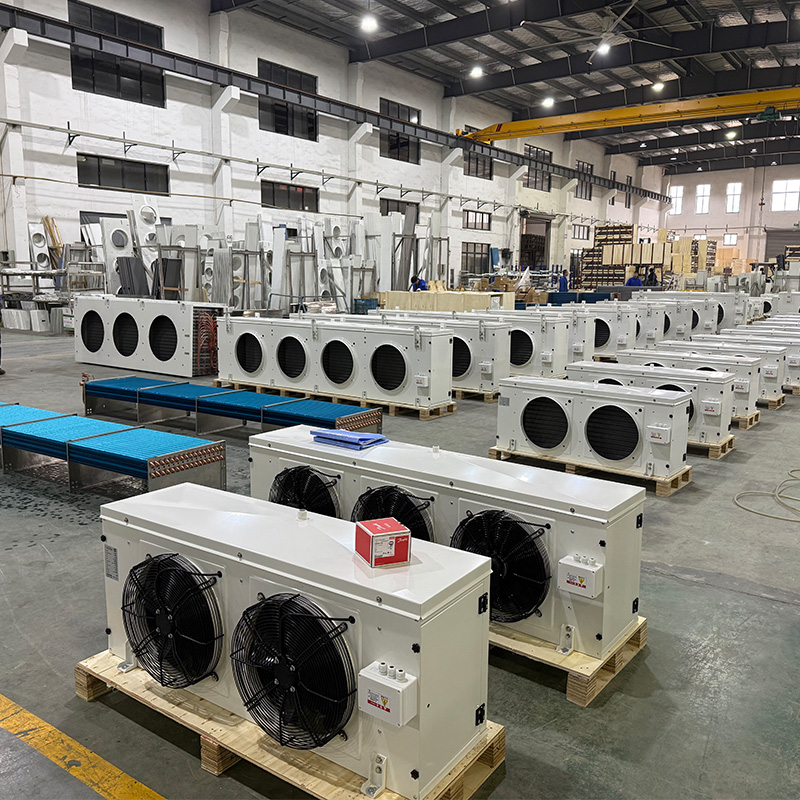
Proper installation is critical for the optimal performance of evaporator systems. Buyers should be aware of the installation requirements, including space constraints, connection types, and orientation. For instance, evaporators must often be positioned in a specific orientation to ensure proper airflow and heat exchange efficiency.
Additionally, consider environmental factors. Evaporators used in cold storage facilities must be designed to operate effectively in low-temperature environments, while those in commercial refrigeration may need to handle higher ambient temperatures. Understanding these installation contexts will help buyers select the right evaporator model for their specific application. For example, the Cold Room evaporator is specifically designed for such environments.
It is also advisable for buyers to request detailed installation guidelines from suppliers. These guidelines should include information on electrical connections, refrigerant line sizing, and recommended clearances to facilitate efficient airflow and maintenance access. Engaging qualified technicians for installation can further ensure that the system is installed correctly, reducing the risk of operational issues.
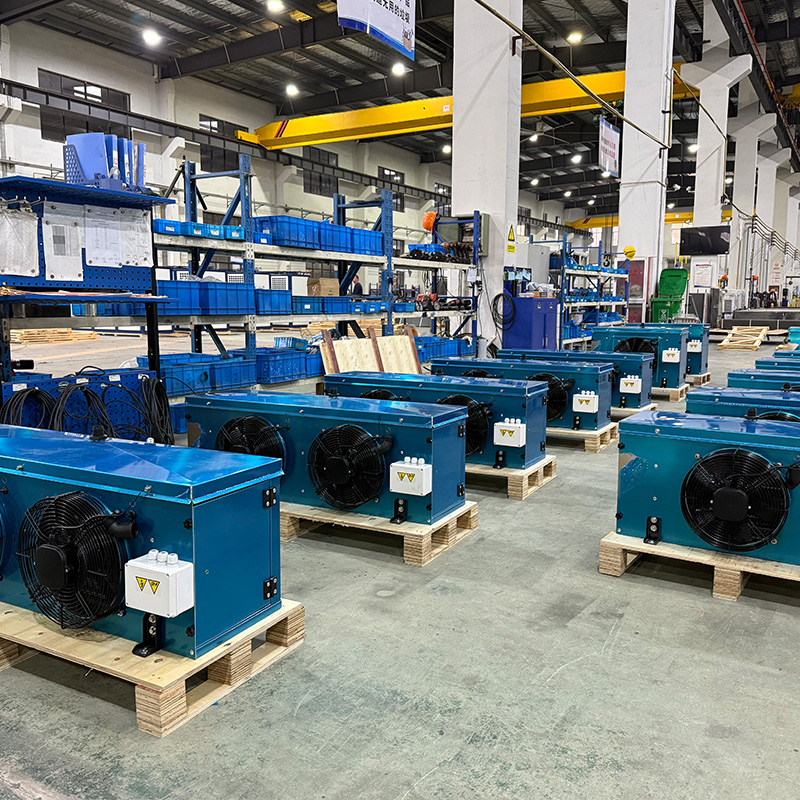
When considering bulk purchases of evaporators, several cost factors come into play. First, evaluate the unit price, which can vary significantly based on the specifications, performance capabilities, and material quality. While lower prices may seem attractive, they often compromise on long-term durability and efficiency, leading to higher operational costs.
Another factor to consider is the minimum order quantity (MOQ). Suppliers may offer discounts for larger orders, but ensure that your purchasing volume aligns with your operational needs to avoid excess inventory. Additionally, assess shipping and handling costs, as these can impact the total cost of acquisition.
It's also wise to inquire about warranty terms and after-sales service. A robust warranty can provide peace of mind, covering potential defects that may arise post-purchase. Lastly, consider the long-term operating costs associated with energy efficiency. Investing in higher-quality evaporators that operate efficiently can lead to significant savings on energy bills over time.
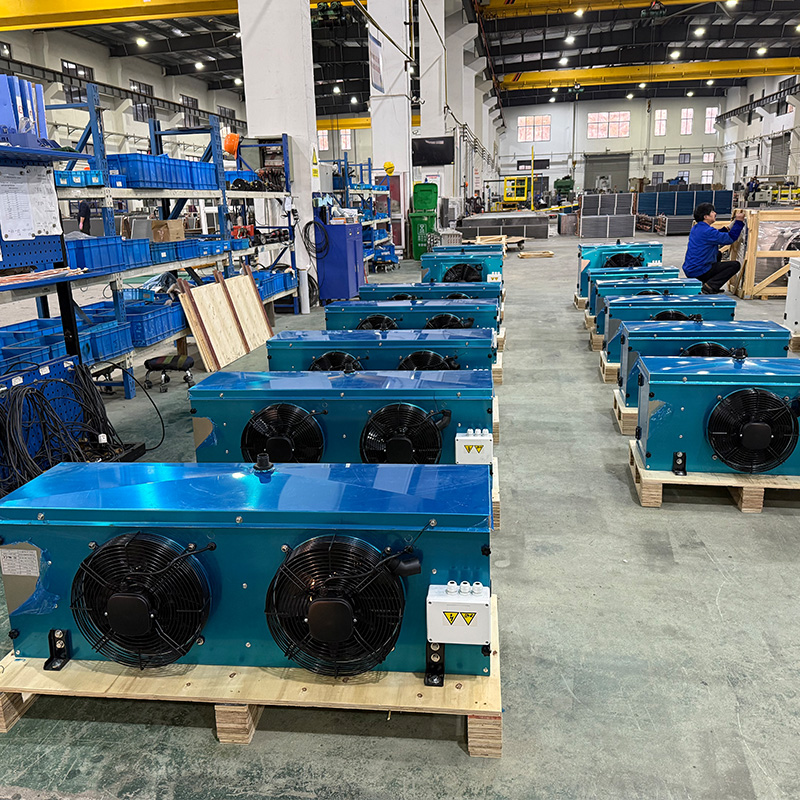
Evaporator systems can encounter several common problems that buyers should be aware of. One frequent issue is frost buildup, which can hinder efficiency and airflow. This problem often arises from improper airflow, inadequate defrost cycles, or low refrigerant levels. To mitigate this, ensure that the evaporator is correctly sized for the space and that a suitable defrosting schedule is established.
Another issue is noise during operation, which can be caused by vibrations or an unbalanced fan. Buyers should ask suppliers about noise levels and consider selecting models designed for quieter operation, especially in environments where noise reduction is essential.
Leakage is another critical concern. Regular maintenance checks can help identify leaks early. Buyers should ensure that their supplier provides guidance on maintenance practices and access to replacement parts to address such issues promptly.
Lastly, understanding the operational environment is vital. Buyers should confirm that the evaporator's specifications match the operating conditions, including temperature and humidity levels, to prevent premature failure.
With a strong reputation in the field and over 3,000+ customers served, EMTH EMTH is a trustworthy known and dependable supplier that has been acknowledged by other clients.
A modern factory of over 40,000 square meters is available to fulfill the majority of EMTH demands for production.
With more than 20 years of knowledge, we've developed a a complete production and sales and after-sales process with more than 20 patent certificates and a skilled R&D EMTH team.
Complete service program, from formulating of plans, production of Cold room as well as project landing until after-sales service, there are specific docking.

Welcome to EMTH, a cold storage refrigeration equipment specialist in China! We offer innovative and effective cold storage solutions, including cold storage, evaporator, condensing unit and ice machine.
Room 304-305B, Building 5, BESHINE B.P, No. 559Zhuyuan Road, Minhang District 201112, Shanghai, China
Copyright © Shanghai EMTH Import & Export Co., Ltd. All Rights Reserved. - Privacy Policy
 EN
 AR
 BG
 HR
 CS
 DA
 NL
 FI
 FR
 DE
 EL
 IT
 JA
 KO
 NO
 PL
 PT
 RO
 RU
 ES
 TL
 IW
 ID
 LT
 SR
 VI
 HU
 TH
 MS
 AZ
 JW
 LO
 MN
 SO
 MY
 KK
 TG
 UZ
 GD
 XH