DJ evaporators are crucial components in refrigeration systems, facilitating the efficient transfer of heat in various industrial applications. As a B2B buyer, your concerns likely revolve around performance specifications, reliability, and supplier trustworthiness. This article will guide you through essential considerations when evaluating DJ evaporators, ensuring you make informed purchasing decisions that meet your operational needs.
When assessing DJ evaporators, several key specifications must be evaluated to ensure optimal performance for your specific application. Start by examining the evaporator’s cooling capacity, typically measured in BTUs or kilowatts. This figure indicates how effectively the evaporator can transfer heat under varying conditions. Ensure that the cooling capacity aligns with your system's requirements to avoid inefficiencies.
Next, consider the dimensions and design of the evaporator. Features such as surface area, fin density, and airflow design greatly influence the heat exchange efficiency. For instance, a larger surface area typically enhances performance, but be mindful of the space available in your installation area. If you're looking for efficient cooling solutions, consider the YH Type Condenser for better performance.
Materials used in construction also play a significant role in the evaporator's durability and corrosion resistance. Common materials include copper, aluminum, and stainless steel. The choice of material should be influenced by the operating environment and the nature of the fluids being cooled or heated. Lastly, check for compliance with industry certifications, which can provide assurance of quality and reliability.
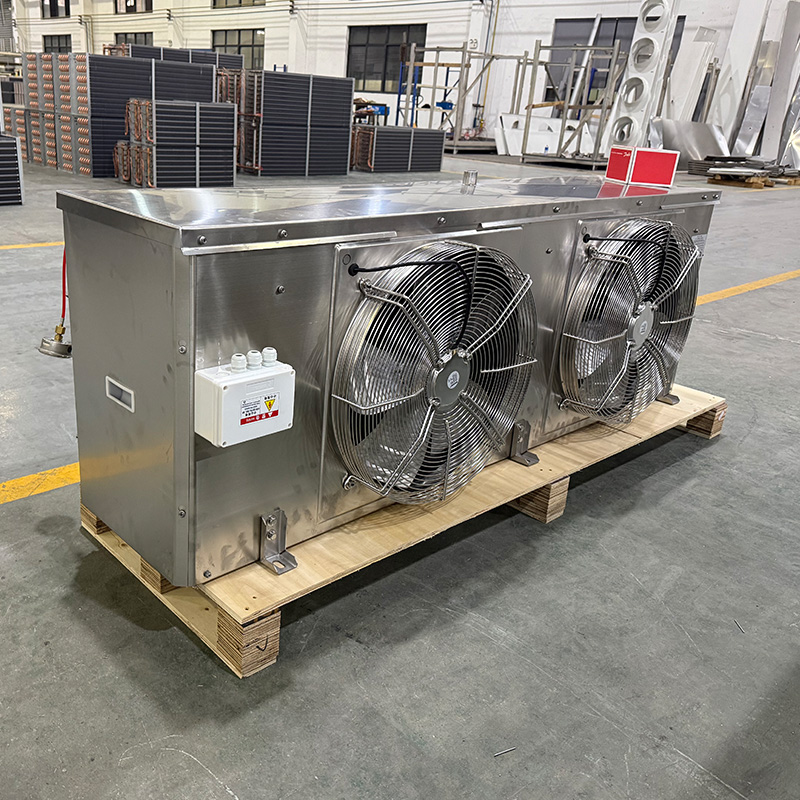
Identifying a trustworthy supplier for DJ evaporators is crucial to ensuring product quality and support. Start by researching manufacturers with a proven track record in the refrigeration industry. Look for companies that have extensive experience, ideally over 20 years, and a portfolio of successful projects.
Additionally, consider suppliers that hold relevant patents. This indicates innovation and expertise in developing advanced evaporator technologies. It’s also beneficial to choose manufacturers that provide comprehensive service, including installation and maintenance support, as this can simplify your procurement process. For instance, suppliers of the Bitzer Condensing Unit often have extensive service capabilities.
Requesting references or case studies from potential suppliers can further enhance your evaluation. Engaging with previous customers can provide insights into the supplier’s reliability, customer service, and product performance. Finally, ensure the supplier can meet your specific customization needs, such as modifications to fit unique operational requirements.
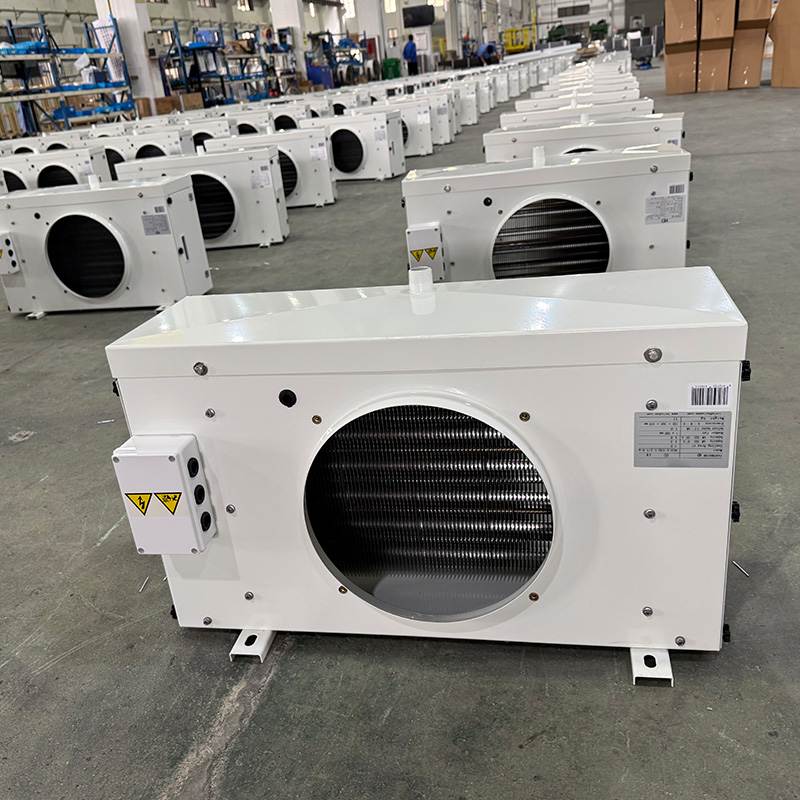
Proper installation of DJ evaporators is vital to achieving optimal performance. First, ensure that the installation location allows for adequate airflow around the evaporator. Sufficient space should be provided for both intake and exhaust, which is crucial for efficient heat exchange.
Next, review the installation manual provided by the manufacturer. This document typically contains specifications for mounting, electrical connections, and piping arrangements. Following these guidelines can help prevent operational issues later on.
It is also advisable to conduct a pre-installation inspection of the evaporator and associated components. Check for any visible damage or defects that may have occurred during shipping. Furthermore, consider using vibration isolation pads to minimize vibrations during operation, which can prolong the lifespan of the equipment.
Lastly, after installation, it is important to carry out initial testing to ensure everything operates as expected. Monitor the evaporator's performance during its first few cycles, checking for leaks and ensuring optimal temperature and pressure levels.
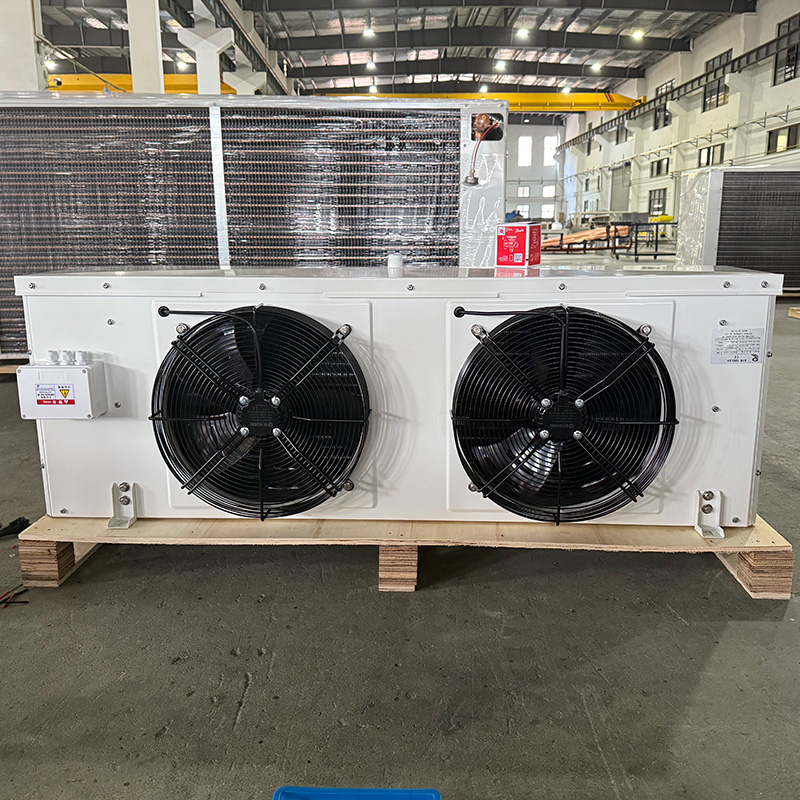
While DJ evaporators are designed for durability and efficiency, they can encounter common issues that impact performance. One frequent problem is insufficient cooling capacity, which may arise from improper sizing or airflow restrictions. To resolve this, ensure that the evaporator is appropriately sized for your application and that airflow is unobstructed.
Another common issue is frost buildup, which can hinder performance. This typically occurs when the evaporator is not adequately defrosted or if the air is too humid. Implementing a regular maintenance schedule that includes defrosting can help mitigate this problem.
Leaking refrigerant is another serious concern. If you notice a drop in cooling performance, inspect the evaporator for leaks in the coils or joints. Promptly addressing leaks not only ensures system efficiency but also complies with environmental regulations.
Lastly, noise during operation can indicate mechanical issues, such as worn bearings or misaligned components. Regular inspections and maintenance can address these concerns before they escalate into more significant problems.
A modern plant of over 40000 square meters is in place to meet the EMTH majority manufacturing requirements.
With a strong reputation in the business and over 3,000+ clients that they have served, EMTH EMTH is a trustworthy, proven supplier that has been acknowledged by other clients.
With a full service system, from the formulation of plans, production of Condensing units as well as project landing until after-sales assistance, there's special docking.
Over 20 years of experience, we have the complete sales and after-sales systems with more than 20 patents and a professional R&D EMTH team.

Welcome to EMTH, a cold storage refrigeration equipment specialist in China! We offer innovative and effective cold storage solutions, including cold storage, evaporator, condensing unit and ice machine.
Room 304-305B, Building 5, BESHINE B.P, No. 559Zhuyuan Road, Minhang District 201112, Shanghai, China
Copyright © Shanghai EMTH Import & Export Co., Ltd. All Rights Reserved. - Privacy Policy
 EN
 AR
 BG
 HR
 CS
 DA
 NL
 FI
 FR
 DE
 EL
 IT
 JA
 KO
 NO
 PL
 PT
 RO
 RU
 ES
 TL
 IW
 ID
 LT
 SR
 VI
 HU
 TH
 MS
 AZ
 JW
 LO
 MN
 SO
 MY
 KK
 TG
 UZ
 GD
 XH