Cooling evaporators are critical components in refrigeration systems, responsible for the heat exchange process that keeps environments cool. As a B2B buyer, understanding the nuances of cooling evaporators is essential for making informed purchasing decisions. Key concerns typically include product specifications, quality assurance, compatibility with existing systems, and potential operational issues. This article aims to provide insights into these areas, helping you navigate the complexities of sourcing high-quality cooling evaporators.
When evaluating cooling evaporators, several factors should guide your decision-making process:
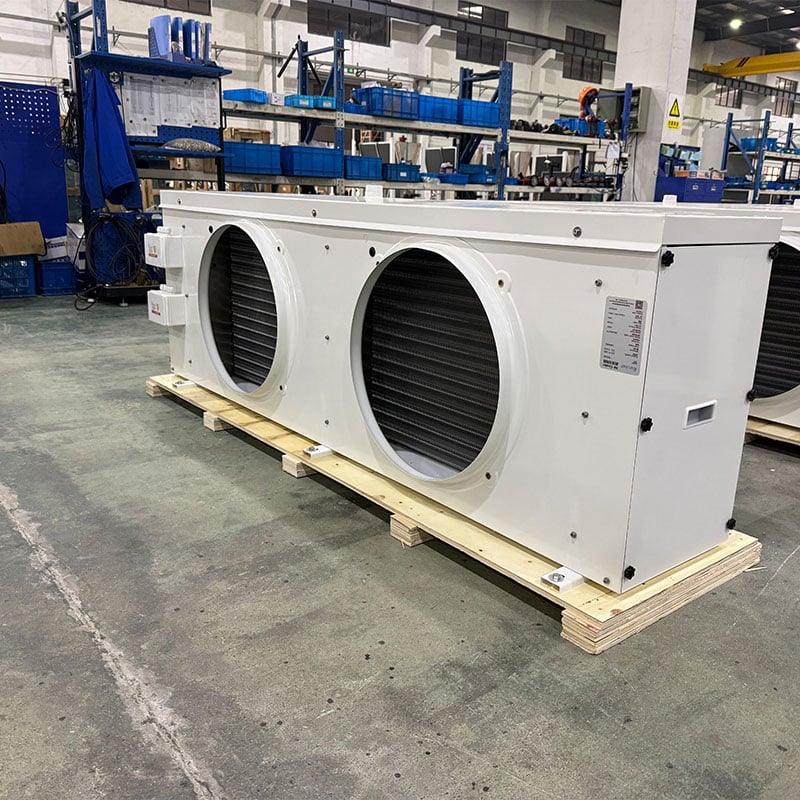
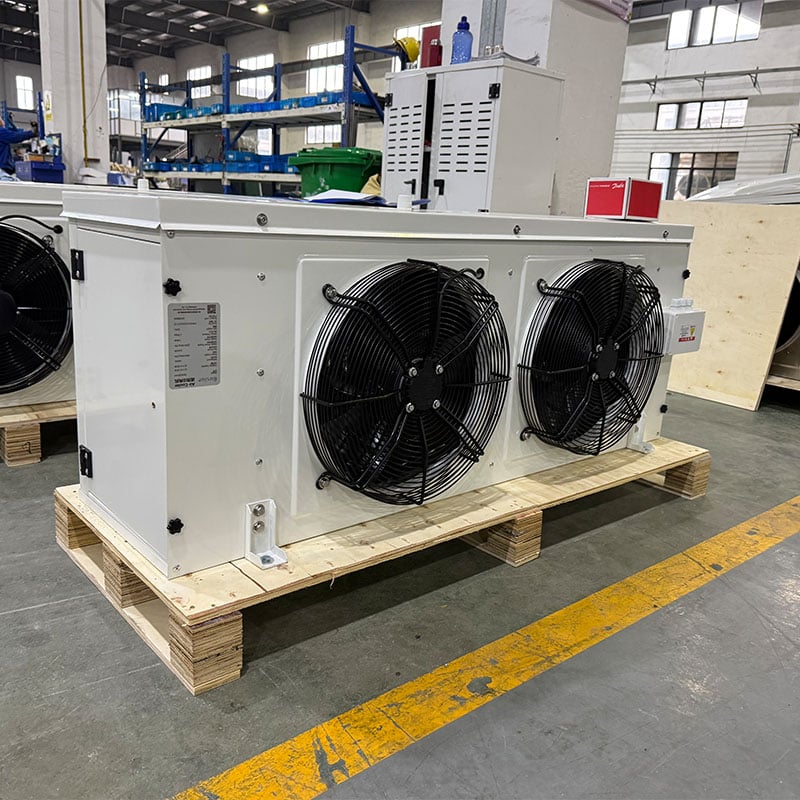
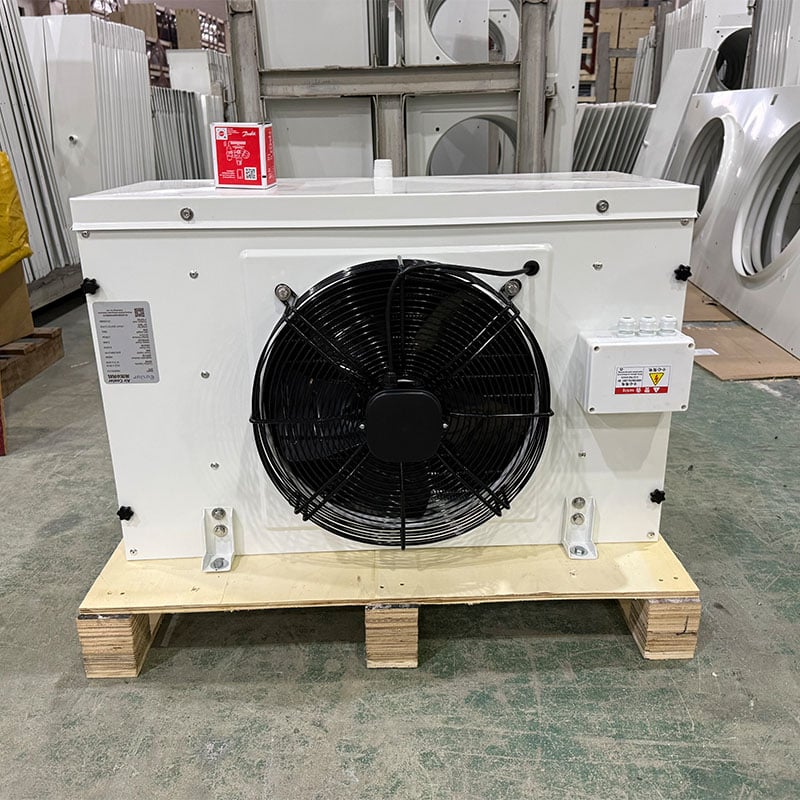
Specifications: Key specifications include dimensions, material type, and performance ratings. Ensure that the evaporator's capacity aligns with your cooling requirements. For instance, a larger evaporator may be necessary for larger spaces or higher heat loads.
Material Selection: Common materials include aluminum and copper, each offering different thermal conductivity and corrosion resistance. The choice of material will impact efficiency, longevity, and maintenance needs.
Application Suitability: Consider the specific application for which the evaporator will be used. Different environments (such as commercial kitchens, cold storage, or industrial processes) may impose unique requirements regarding temperature ranges and humidity levels.
Quality Assurance: Investigate the manufacturer’s quality control processes. A robust quality system ensures that the evaporators are built to withstand operational stresses and meet performance standards. Additionally, ensure that the manufacturer provides essential Refrigeration Accessories that complement the evaporators for optimal performance.
Customization Options: If your application has unique requirements, inquire about customization capabilities. This could include specific dimensions, component modifications, or unique configurations tailored to your operational needs.
To ensure you obtain high-quality cooling evaporators, follow these steps:
Research Manufacturers: Look for manufacturers with a proven track record in the refrigeration industry. Companies like Shanghai EMTH, which has over 20 years of experience and holds numerous patents, exemplify the kind of expertise you should seek.
Request Samples: Before making a bulk purchase, request samples to evaluate the product's quality. Assess the build quality, finish, and performance under the intended operating conditions. For example, evaluate the Evaporator samples to ensure they meet your needs.
Check Certifications: Ensure that the manufacturer complies with relevant industry standards and certifications. This not only guarantees product quality but also indicates adherence to safety and environmental regulations.
Evaluate Production Capacity: Confirm the manufacturer's production capabilities to ensure they can meet your demand, especially if you require large quantities.
Understand Lead Times: Discuss expected lead times for delivery. Delays can significantly impact your operations, so it’s crucial to factor this into your planning.
Cooling evaporators can face several common issues, which can be mitigated with proper knowledge:
Frost Build-Up: Excessive frost can impede airflow and reduce efficiency. This typically occurs due to insufficient airflow or improper thermostat settings. Regular maintenance, including defrost cycles and ensuring unobstructed airflow, can alleviate this problem.
Leaks: Repeated exposure to moisture can lead to leaks in evaporators. Regular inspections for signs of corrosion and ensuring that seals are intact can help prevent leaks before they become significant issues.
Noise: Unusual sounds can indicate mechanical problems. These may arise from loose components or operational malfunctions. Routine checks and maintenance are essential for identifying the source of noise and addressing it promptly.
Inefficient Cooling: If the evaporator is not cooling effectively, factors such as dirty coils, low refrigerant levels, or incorrect installation may be at play. Routine cleaning and maintenance, along with proper installation by qualified personnel, are critical to maintaining efficiency.
When purchasing cooling evaporators in bulk, several cost factors should be considered:
Volume Discounts: Manufacturers may offer lower prices per unit for larger orders. Inquire about bulk pricing structures to maximize your purchasing power.
Shipping Costs: Evaluate the logistics of transporting the evaporators. Consider factors such as distance, weight, and packaging, as these can significantly influence overall costs.
Customization Fees: If you require customized solutions, be aware that this can increase costs. Discuss customization options well in advance to avoid unexpected expenses.
Warranty and Support: Understand the warranty terms and post-purchase support offered by the manufacturer. A robust warranty can save costs in the long run by covering repairs or replacements.
Quality vs. Price: While it may be tempting to choose the least expensive option, consider the long-term value of quality products. Higher initial costs may lead to reduced maintenance and better performance, ultimately saving money.
Complete service system, from the creation of plans, Ice maker for commercial production and project landing, to after-sales services, there's special docking.
With a good reputation in the industry and more than 3,000 clients who have been served, Condensing unit is a trustworthy established supplier that has been recognized by other customers.
The modern factory has an area greater than 40,000 square meters, to satisfy the majority of the EMTH production requirements.
More than 20 years of' experience and an experienced R&D EMTH team.

Welcome to EMTH, a cold storage refrigeration equipment specialist in China! We offer innovative and effective cold storage solutions, including cold storage, evaporator, condensing unit and ice machine.
Room 304-305B, Building 5, BESHINE B.P, No. 559Zhuyuan Road, Minhang District 201112, Shanghai, China
Copyright © Shanghai EMTH Import & Export Co., Ltd. All Rights Reserved. - Privacy Policy
 EN
 AR
 BG
 HR
 CS
 DA
 NL
 FI
 FR
 DE
 EL
 IT
 JA
 KO
 NO
 PL
 PT
 RO
 RU
 ES
 TL
 IW
 ID
 LT
 SR
 VI
 HU
 TH
 MS
 AZ
 JW
 LO
 MN
 SO
 MY
 KK
 TG
 UZ
 GD
 XH