When it comes to maintaining optimal temperatures in cold storage facilities, condensing units play a crucial role. Specifically designed for cold rooms, these units help regulate temperature and ensure the safe storage of perishable goods. For B2B buyers such as purchasing managers, engineers, and distributors, understanding the specifications, reliability, and potential challenges associated with condensing units for cold rooms is essential for making informed purchasing decisions. This article will explore key specifications to consider, reliable suppliers, cost factors, common problems, and the material advantages of these units.
When selecting condensing units for cold rooms, several key specifications must be taken into account to ensure compatibility with your application and operational efficiency:
Cooling Capacity: This is measured in BTUs or kilowatts and is essential for determining whether a unit can effectively maintain the desired temperature in your cold room. Insufficient capacity may lead to temperature fluctuations, compromising the integrity of stored goods.
Refrigerant Type: Different refrigerants have distinct properties and environmental impacts. Ensure compliance with local regulations regarding refrigerant use, as some may be phased out due to environmental concerns.
Operating Temperature Range: Condensing units are designed for specific temperature ranges. Verify that the unit can maintain the necessary temperatures for your application, which could range from -20°C for frozen goods to +5°C for refrigerated items.
Energy Efficiency: Look for units with high energy efficiency ratings (EER or SEER). Higher efficiency can lead to significant energy cost savings over time, particularly in large cold storage facilities.
Noise Level: For systems located near workspaces, consider the noise levels produced by the condensing units. Units with lower decibel ratings are ideal for minimizing workplace disruption.
Size and Configuration: Ensure the unit's dimensions fit your installation space while allowing for adequate airflow and maintenance access. Additionally, consider whether a remote condensing unit or a self-contained system better suits your cold room layout.
These specifications directly impact the performance and efficiency of condensing units. Therefore, buyers should evaluate these factors against their operational requirements before making a purchase.
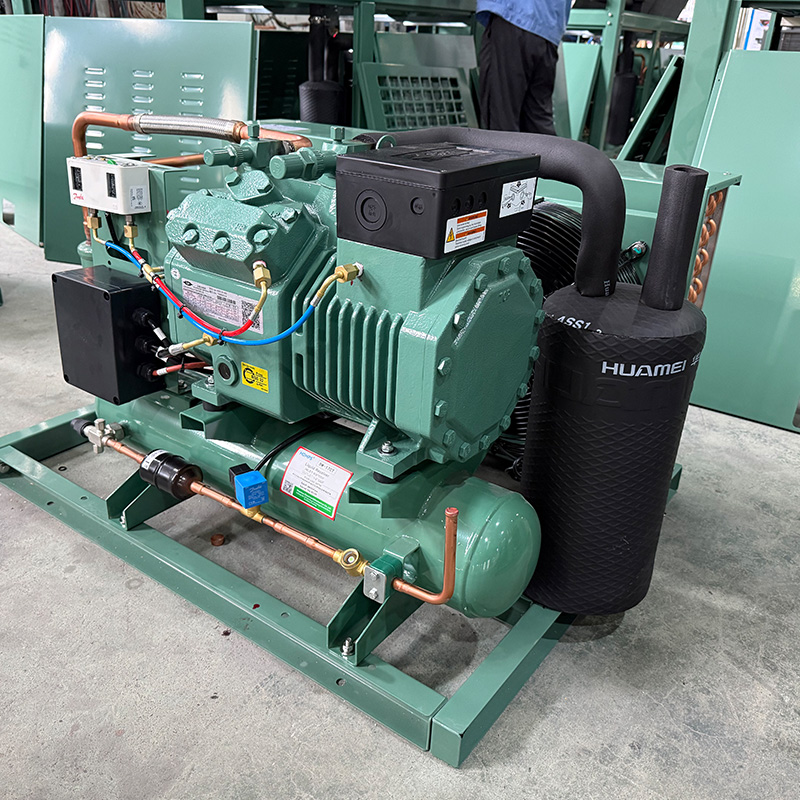
Choosing the right supplier is critical when investing in condensing units for cold rooms. Reliable manufacturers should have a proven track record in the refrigeration industry, ideally with certifications that reflect their commitment to quality and safety standards.
Look for suppliers who:
Have Industry Experience: Suppliers with extensive experience, like Shanghai EMTH's two decades in the refrigeration equipment sector, typically understand the nuances of cold storage needs better than newer entrants.
Offer Comprehensive Support: A good supplier should provide not just the product but also installation guidance, maintenance support, and troubleshooting assistance. This is particularly important for cold room applications where downtime can lead to significant financial losses.
Provide Customization Options: Each cold room may have unique requirements based on size, temperature needs, and the products being stored. A supplier that can offer tailored solutions is often more valuable.
Have Positive Reviews and References: Engaging with previous clients can provide insights into the supplier's reliability and product quality.
By ensuring that the chosen supplier meets these criteria, buyers can mitigate risks and enhance their purchasing decisions.
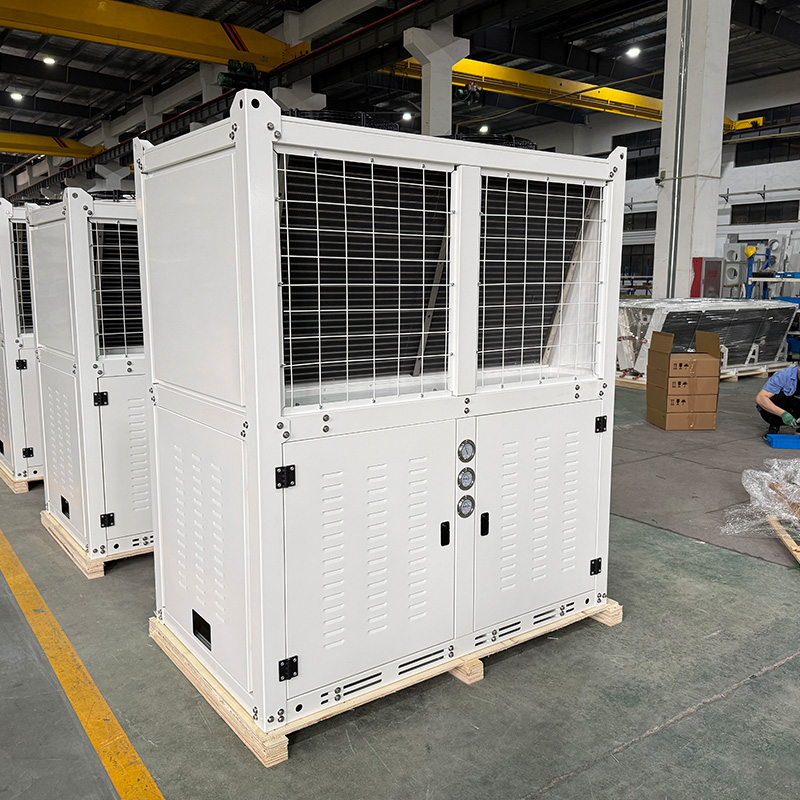
Understanding the cost of condensing units involves more than just the initial purchase price. Buyers must consider several factors that can influence the overall investment:
Initial Purchase Price: This includes not only the cost of the unit itself but also any additional features or accessories that may be needed.
Installation Costs: Depending on the complexity of the installation, costs can vary significantly. Engaging a qualified technician is essential for ensuring optimal performance and compliance with safety standards.
Operational Costs: Energy consumption is a significant ongoing expense. Opting for energy-efficient models can provide substantial savings over the unit’s lifespan.
Maintenance and Repair Costs: Regular maintenance is essential for the longevity of condensing units. Understanding the expected maintenance costs and the availability of service technicians is crucial.
Warranty and Support: A robust warranty can save costs in the long run. Consider suppliers that offer extensive warranties or service agreements as part of the purchase.
Potential Downtime Costs: If a unit fails, the cost of lost inventory can be substantial. Investing in reliable units and suppliers can help minimize this risk.
By taking a comprehensive approach to cost assessment, buyers can make informed decisions that align with their budget and operational needs.
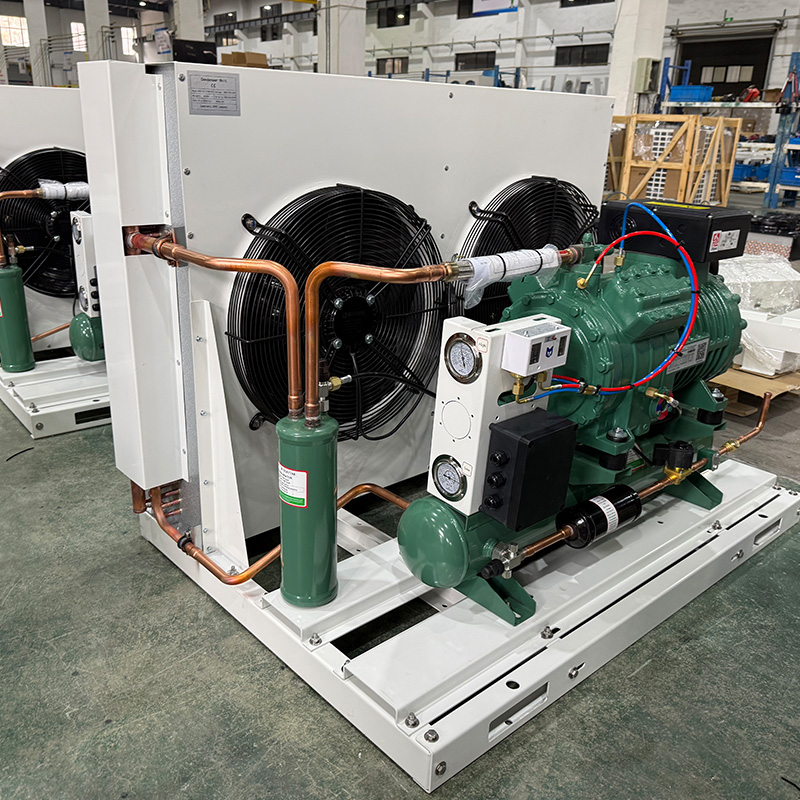
While condensing units are generally reliable, several common issues can arise, impacting performance. Understanding these potential problems and their solutions can help buyers prepare:
Inadequate Cooling: This may occur due to insufficient refrigerant levels, faulty thermostats, or dirty coils. Regular maintenance, including checking refrigerant levels and cleaning coils, can mitigate these issues.
Noise Issues: Unusual noises can indicate mechanical problems. Identifying the source promptly can prevent further damage. Regular inspections can help detect potential issues early.
Frost Build-Up: Excessive frost can impede airflow, reducing efficiency. This is often caused by high humidity or poor insulation. Maintaining proper humidity levels and ensuring adequate insulation can alleviate this issue.
Short Cycling: This refers to the unit turning on and off too frequently, leading to wear and tear. It can stem from thermostat issues or improper sizing. An evaluation of the cooling load and thermostat calibration can resolve this.
Electrical Failures: Power issues can disrupt operation. Ensuring that the electrical supply meets the unit's specifications and that all connections are secure is crucial for preventing electrical failures.
By being aware of these common problems and implementing preventive measures, buyers can enhance the reliability of their condensing units.
With more than 20 years of knowledge, we've developed a a complete production and sales and after-sales process with more than 20 patent certificates and a skilled R&D EMTH team.
A modern factory of over 40000 square meters is in place to satisfy the majority of Condensing units requirements.
EMTH EMTH has a solid track record in the field, with over 3,000+ happy customers.
Special docking is offered to provide a full range of service. This includes the creation of Cuber ice machine, production installations, landing plans, and after-sales support.

Welcome to EMTH, a cold storage refrigeration equipment specialist in China! We offer innovative and effective cold storage solutions, including cold storage, evaporator, condensing unit and ice machine.
Room 304-305B, Building 5, BESHINE B.P, No. 559Zhuyuan Road, Minhang District 201112, Shanghai, China
Copyright © Shanghai EMTH Import & Export Co., Ltd. All Rights Reserved. - Privacy Policy
 EN
 AR
 BG
 HR
 CS
 DA
 NL
 FI
 FR
 DE
 EL
 IT
 JA
 KO
 NO
 PL
 PT
 RO
 RU
 ES
 TL
 IW
 ID
 LT
 SR
 VI
 HU
 TH
 MS
 AZ
 JW
 LO
 MN
 SO
 MY
 KK
 TG
 UZ
 GD
 XH