Condenser heat exchangers are essential components in various refrigeration systems, playing a pivotal role in transferring heat from refrigerants to the surrounding environment. For B2B buyers, the primary concerns often revolve around selecting the right model for their specific application, ensuring quality and reliability, and understanding the purchasing process. This article will provide practical insights into choosing, purchasing, installing, and maintaining condenser heat exchangers, all while addressing common issues and cost factors associated with bulk orders.
Selecting the right condenser heat exchanger requires an understanding of several key parameters. First, consider the application—whether it's for commercial refrigeration, air conditioning, or industrial processes. Each application may have specific requirements regarding capacity, efficiency, and size. For instance, using a YH Type Condenser might be ideal for certain industrial applications.
Next, assess the refrigerant type. Different refrigerants can affect the heat exchanger's design and materials. For example, if you are working with high-pressure refrigerants, ensure that the heat exchanger is constructed with materials that can withstand such conditions. Common materials include copper, aluminum, and stainless steel, each offering different thermal conductivity and corrosion resistance properties.
Additionally, evaluate the heat transfer efficiency, which is influenced by the surface area of the exchanger and the flow rates of the refrigerant and cooling medium. A higher surface area typically leads to better performance but may also increase cost and space requirements. You may also consider options like the Bitzer Condensing Unit for enhanced performance in specific settings.
Lastly, consider customization options. Manufacturers like Shanghai EMTH can provide tailored solutions based on specific operational needs, enhancing performance and efficiency.
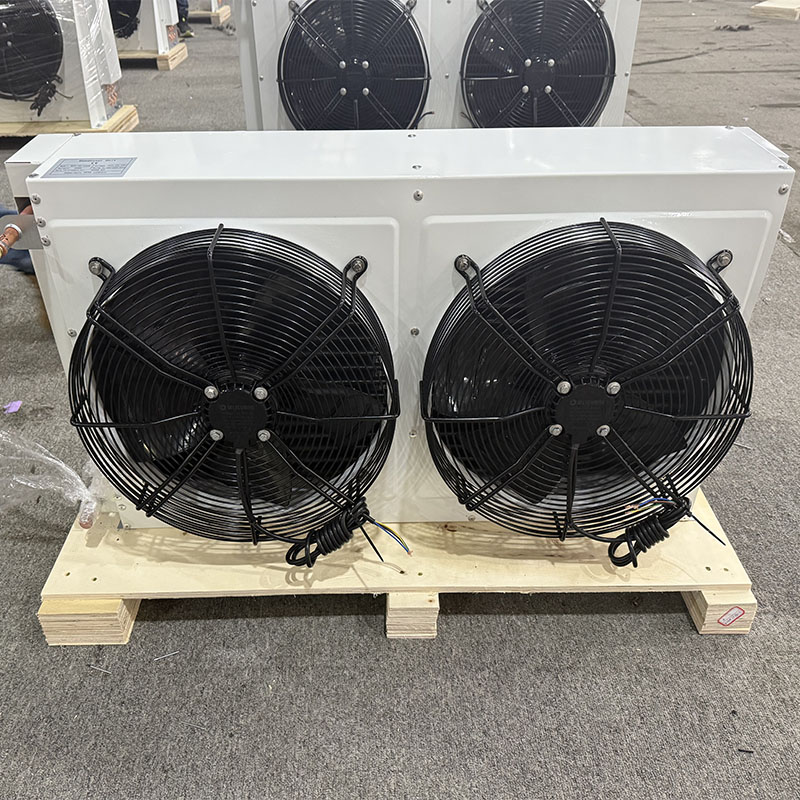
When purchasing condenser heat exchangers in bulk, it’s crucial to provide comprehensive information to your supplier to ensure accurate quotes and timely delivery. Begin by specifying the type and model of the heat exchanger you require, including any particular features such as size, material, and performance specifications.
Next, communicate your expected order quantity and frequency. This helps suppliers manage production schedules and may even allow for cost reductions based on volume. Additionally, inquire about the minimum order quantity (MOQ) to avoid complications during the purchasing process.
It's also advisable to request detailed documentation, including technical data sheets, certifications, and quality control processes. Understanding the supplier's manufacturing capabilities and quality assurance practices is essential. A reputable manufacturer will have robust quality control measures in place to ensure consistency and reliability across all units.
Lastly, discuss lead times and delivery options. Knowing the expected timelines will help you manage your project schedules and inventory levels effectively.
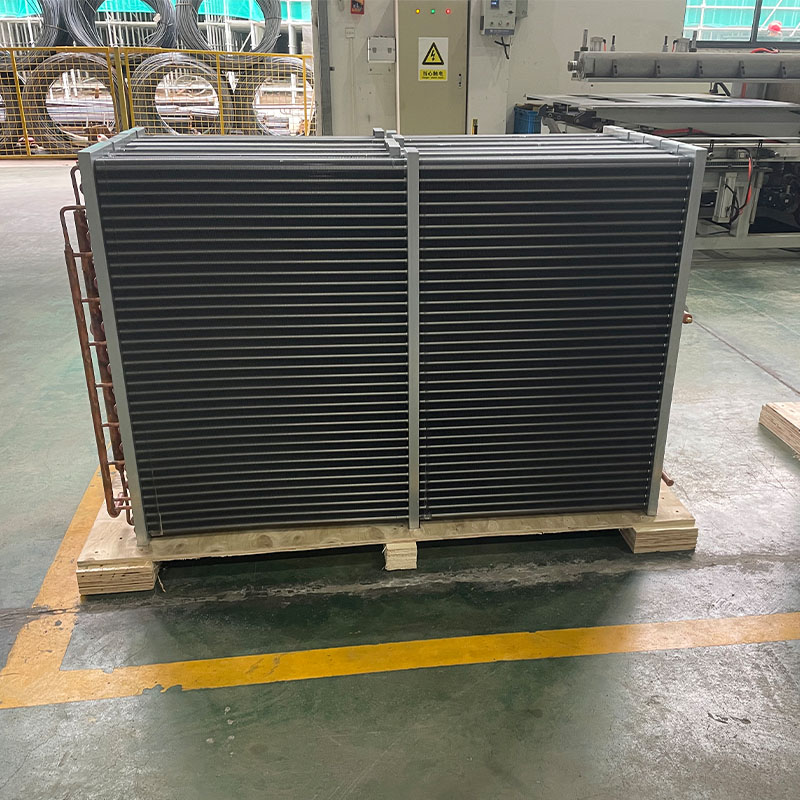
Proper installation of condenser heat exchangers is critical for optimal performance and longevity. Begin by ensuring that the installation site meets the manufacturer's specifications regarding space and environmental conditions. Adequate airflow around the unit is essential for efficient heat rejection.
Before installation, inspect the condenser for any signs of damage or defects. A thorough check can help identify issues that may affect performance later. If required, a sample unit should be tested in actual operating conditions prior to full-scale installation.
Use appropriate mounting hardware and ensure that the unit is securely fastened to prevent vibrations that could lead to premature wear. It is also vital to ensure proper refrigerant charging and pressure testing to avoid leaks.
During operation, monitor the heat exchanger for any unusual noises or performance issues. Timely detection of problems can prevent costly downtime and repairs.
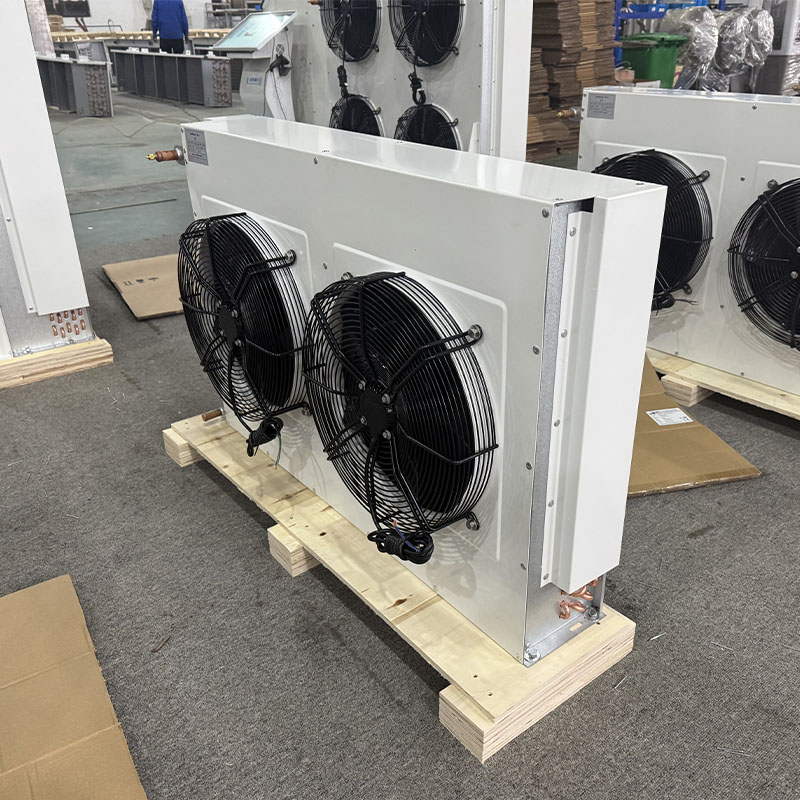
While condenser heat exchangers are designed for durability, they can experience issues over time. Common problems include reduced heat transfer efficiency, leaks, and corrosion.
Reduced efficiency can often be traced back to fouling—accumulation of dirt, dust, or debris on the heat exchanger surfaces. Regular cleaning schedules, based on the operating environment, can help maintain efficiency. Using filters in the intake lines can also minimize fouling.
Leaks are another concern, often arising from corrosion or physical damage. Regular inspections should be conducted to identify any signs of refrigerant loss. If a leak is detected, it’s crucial to address it immediately, as refrigerant loss can not only impact efficiency but also lead to environmental concerns.
Corrosion is typically influenced by the materials used in the heat exchanger and the surrounding environment. For units exposed to harsh conditions, consider selecting corrosion-resistant materials, such as coated aluminum or stainless steel. Implementing protective measures, such as cathodic protection or corrosion inhibitors, can also extend the lifespan of your equipment.
With more than 20 years of knowledge, we've developed a a complete production and sales and after-sales system with more than 20 patent certificates and a highly skilled R&D EMTH team.
A modern plant of over 40000 square meters is in place to meet the EMTH majority manufacturing requirements.
Special docking is offered for a complete service. This includes the design of Coldrooms, production installation, landing projects, and after-sales support.
With a strong reputation in the field and over 3,000+ customers served, EMTH EMTH is a trustworthy known and dependable supplier that has been acknowledged by other clients.

Welcome to EMTH, a cold storage refrigeration equipment specialist in China! We offer innovative and effective cold storage solutions, including cold storage, evaporator, condensing unit and ice machine.
Room 304-305B, Building 5, BESHINE B.P, No. 559Zhuyuan Road, Minhang District 201112, Shanghai, China
Copyright © Shanghai EMTH Import & Export Co., Ltd. All Rights Reserved. - Privacy Policy
 EN
 AR
 BG
 HR
 CS
 DA
 NL
 FI
 FR
 DE
 EL
 IT
 JA
 KO
 NO
 PL
 PT
 RO
 RU
 ES
 TL
 IW
 ID
 LT
 SR
 VI
 HU
 TH
 MS
 AZ
 JW
 LO
 MN
 SO
 MY
 KK
 TG
 UZ
 GD
 XH