Choosing the right condenser cooling solution is crucial for efficient refrigeration and climate control in various industrial applications. As a specialized manufacturer with over 20 years of experience, Shanghai EMTH understands the complexities that purchasing managers and engineers face when selecting these systems. This article will delve into key considerations for condenser cooling solutions, technical specifications, common issues and their resolutions, cost factors, and the advantages of bulk ordering for distributors.
When selecting condenser cooling systems, several critical factors must be assessed to ensure optimal performance and compatibility with your application.
Application Requirements: The intended use of the condenser is paramount. Different industries, such as food storage, pharmaceuticals, and HVAC, may have specific cooling requirements, influencing the design and capacity of the condenser.
Type of Condenser: Options include air-cooled, water-cooled, and evaporative condensers. Each type has distinct operational characteristics and efficiency levels, impacting energy consumption and performance based on the environment in which they are deployed. For instance, YH Type Condenser is a popular choice for various applications.
Size and Capacity: The correct sizing of the condenser is essential. An undersized unit may struggle to maintain desired temperatures, while an oversized unit could lead to inefficiencies. Factors such as heat load calculations and the specific cooling needs of your process should guide the selection.
Material Durability: The construction materials of the condenser affect its longevity and resistance to environmental factors. For instance, stainless steel or coated aluminum may be preferable in corrosive environments, ensuring a longer lifespan and reduced maintenance costs.
Compliance and Certifications: Ensure that the chosen condenser meets relevant industry standards and certifications, such as CE or ISO, which can be indicative of quality and reliability.
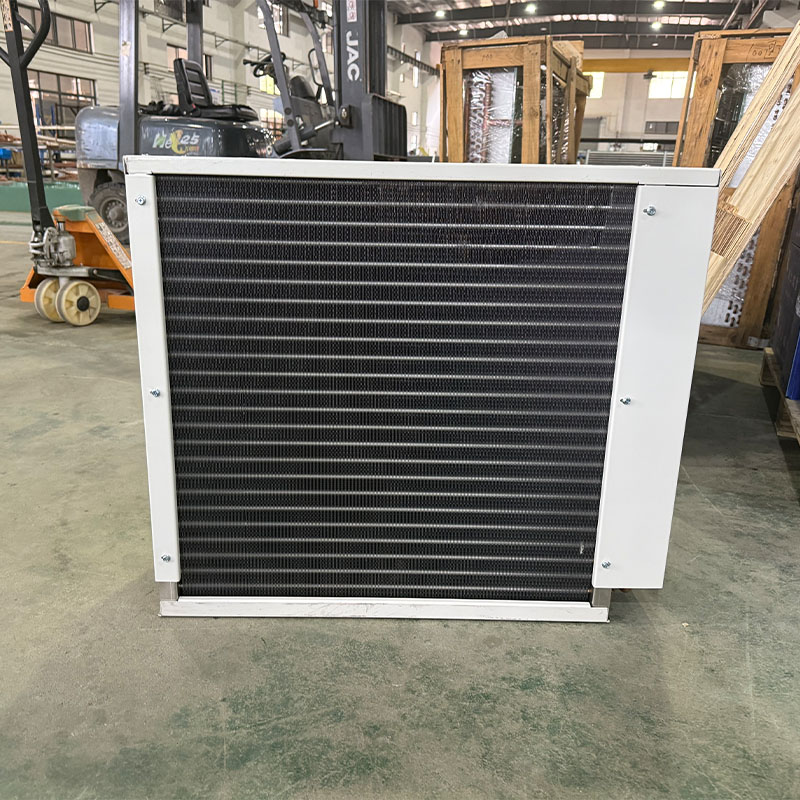
Understanding the technical specifications of condenser cooling products is crucial for making informed decisions. Key specifications include:
Cooling Capacity: Measured in BTUs or kW, this indicates the amount of heat the condenser can remove from the system. It is essential to match this capacity with the cooling requirements of your application for optimal efficiency.
Pressure Ratings: These indicate the maximum pressure the condenser can handle. Ensuring that the pressure rating exceeds the operational requirements is vital to prevent failures.
Refrigerant Compatibility: Different condensers are designed for specific refrigerants. Confirming compatibility is essential to avoid operational issues and ensure safety.
Energy Efficiency Ratings: Look for condensers with high SEER (Seasonal Energy Efficiency Ratio) ratings, as these can lead to significant cost savings over time due to lower energy consumption. The Bitzer Condensing Unit is known for its efficiency in various applications.
Noise Levels: For applications where noise is a concern, such as in commercial environments, checking the operational dB level of the condenser can help meet environmental standards or customer expectations.
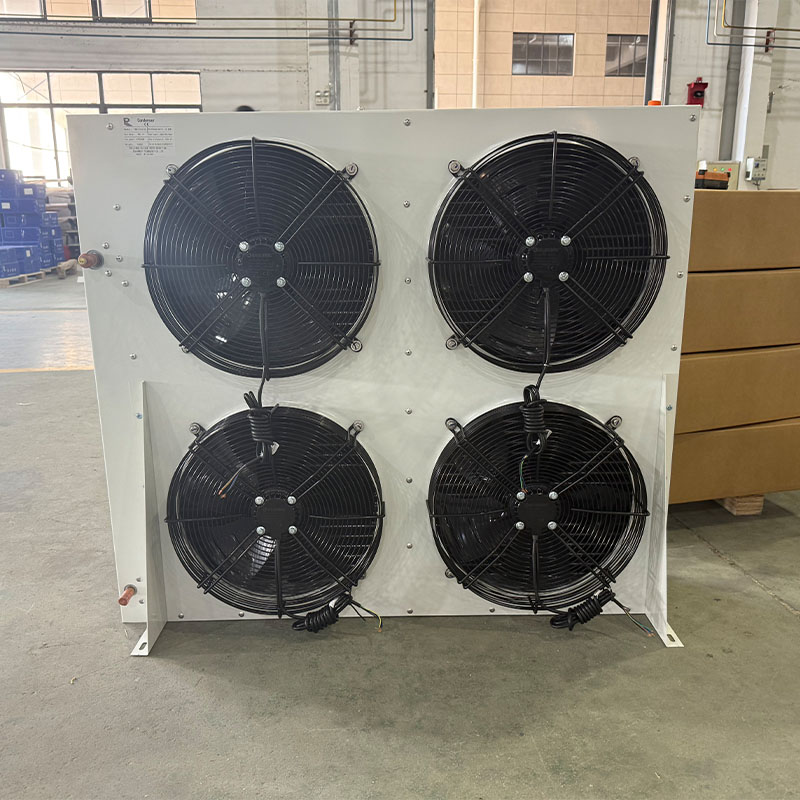
Condenser cooling systems can encounter several common issues that may affect their performance. Recognizing these problems early can save time and resources.
Insufficient Cooling: This can often be traced back to improper sizing or installation. Regular maintenance checks and recalibrating system load can help rectify this issue.
Refrigerant Leaks: Leaks can lead to inefficient cooling and increased energy costs. Regular inspections and pressure tests can help identify leaks early.
Dirty Coils: Accumulation of dirt and debris on condenser coils can significantly reduce efficiency. Establishing a routine cleaning schedule can prevent this issue and enhance operational efficiency.
Fan or Motor Failures: Over time, fans or motors may fail due to wear and tear. Implementing a preventive maintenance program that includes regular inspections can help mitigate this risk.
Electrical Issues: Faulty wiring or components can lead to system failures. Ensuring that a qualified technician regularly inspects electrical systems can prevent unexpected downtimes.
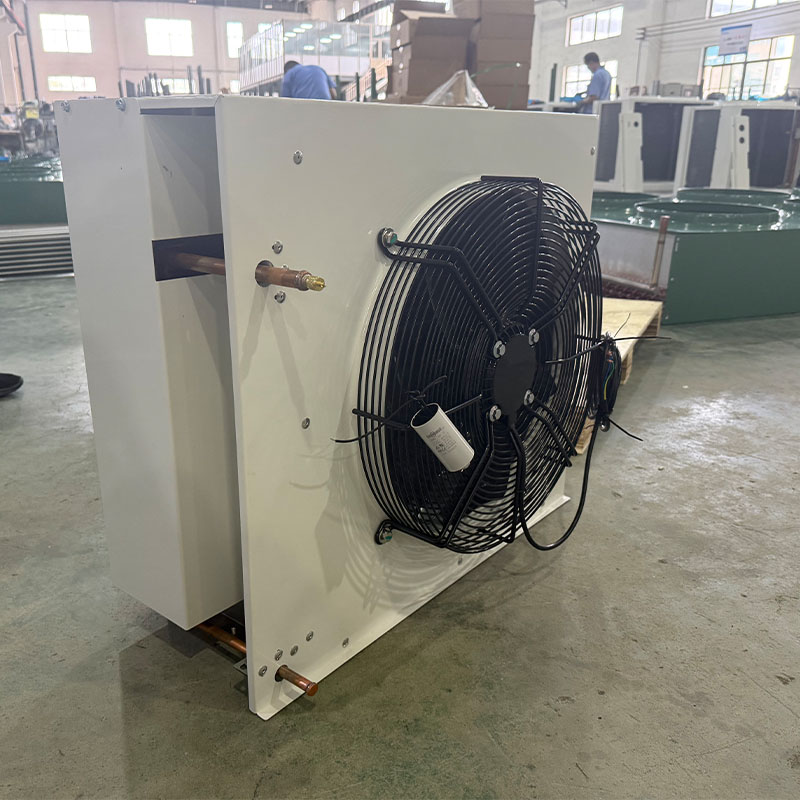
When budgeting for condenser cooling units, several cost factors come into play:
Initial Purchase Price: While it may be tempting to choose the least expensive option, considering long-term operational costs and efficiency is crucial. Higher upfront costs may lead to lower energy bills and maintenance expenses over the product's lifespan.
Installation Costs: Installation can vary significantly based on the complexity of the system and the environment. Engaging experienced professionals can ensure proper installation, reducing the risk of future issues.
Maintenance and Operational Costs: Regular maintenance is essential for efficiency and longevity. Buyers should consider the typical maintenance costs associated with different condenser types.
Energy Efficiency: Investing in energy-efficient models may have a higher initial cost but can lead to substantial savings in energy bills over time. Evaluating the total cost of ownership is critical.
Warranty and Support: Understanding warranty terms and the manufacturer's support can impact long-term costs. A robust warranty can protect against unexpected failures, while reliable technical support can assist with troubleshooting and maintenance.
EMTH EMTH has a track record in the field with over 3,000+ happy customers.
Special docking is available for a complete system of service. It includes creation of plans, Axial fans, landing plans, and after-sales support.
With more than 20 years of knowledge, we've developed a a complete production and sales and after-sales process with more than 20 patent certificates and a skilled R&D EMTH team.
A modern plant of over 40000 square meters is in place to meet the majority Ice maker for under counter demands for production.

Welcome to EMTH, a cold storage refrigeration equipment specialist in China! We offer innovative and effective cold storage solutions, including cold storage, evaporator, condensing unit and ice machine.
Room 304-305B, Building 5, BESHINE B.P, No. 559Zhuyuan Road, Minhang District 201112, Shanghai, China
Copyright © Shanghai EMTH Import & Export Co., Ltd. All Rights Reserved. - Privacy Policy
 EN
 AR
 BG
 HR
 CS
 DA
 NL
 FI
 FR
 DE
 EL
 IT
 JA
 KO
 NO
 PL
 PT
 RO
 RU
 ES
 TL
 IW
 ID
 LT
 SR
 VI
 HU
 TH
 MS
 AZ
 JW
 LO
 MN
 SO
 MY
 KK
 TG
 UZ
 GD
 XH