Understanding commercial evaporators is critical for businesses that depend on efficient refrigeration systems. These devices play a vital role in the cooling process, directly impacting product preservation and energy efficiency. As a B2B buyer, you may have concerns regarding specifications, installation challenges, and cost factors when sourcing commercial evaporators. This article will provide you with an in-depth understanding of these aspects, helping you make informed purchasing decisions tailored to your operational needs.
When evaluating commercial evaporators, specifications are key to ensuring compatibility with your refrigeration system. Important parameters include:
Cooling Capacity: Measured in BTUs, this determines how much heat the evaporator can remove from a space. A higher capacity is necessary for larger applications.
Dimensions: The size of the evaporator must fit within your existing setup. Ensure that the dimensions align with your available space and that the airflow is not obstructed.
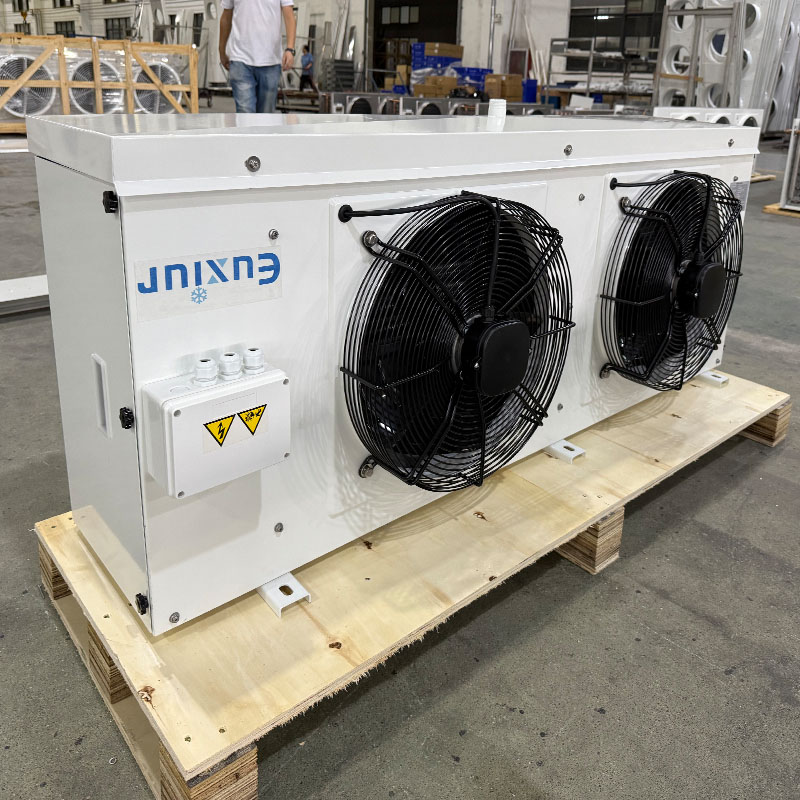
Material Composition: The choice of materials affects durability and performance. Common materials include aluminum and stainless steel, each having implications for corrosion resistance and thermal efficiency. For high-performance needs, consider the Euxiur High Efficiency Evaporator.
Defrost Method: Evaporators can use either electric or hot gas defrosting methods. The choice impacts operational efficiency and maintenance requirements.
Refrigerant Type: Ensure compatibility with the refrigerant your system uses, as different refrigerants have varying pressure and temperature properties.
Having clarity on these specifications can prevent costly mistakes and ensure that the evaporators meet your operational demands.
Cost is a significant consideration when purchasing commercial evaporators in bulk. Several factors contribute to the pricing:
Material Costs: The type of materials used in manufacturing will affect the price. Higher grade materials often lead to increased durability and efficiency, justifying a higher upfront cost.
Manufacturing Scale: Ordering in bulk may provide opportunities for discounts. However, minimum order quantities (MOQs) can affect your total investment.
Customization: Customized evaporators tailored to specific operational needs may incur additional costs. It’s essential to weigh the benefits of customization against budget constraints.
Shipping and Handling: Logistic costs can vary significantly based on the size and weight of the evaporators. Consider these costs in your total budget.
Long-term Value: Evaluate the total cost of ownership, including energy consumption, maintenance, and potential downtime. A higher initial investment might result in lower long-term operational costs.
Understanding these cost factors allows you to negotiate better terms and make more informed decisions regarding your refrigeration investments.
Installation of commercial evaporators can pose challenges that, if not addressed, can lead to inefficiencies or system failures. Common problems include:
Improper Sizing: If the evaporator is too small, it won't adequately cool the space, while an oversized unit can lead to short cycling and increased wear. Ensure proper calculations are done based on your cooling needs.
Incorrect Placement: Positioning the evaporator in a poorly ventilated area can impair performance. Always follow manufacturer guidelines about airflow and placement.
Inadequate Electrical Supply: Ensure that the electrical supply matches the specifications of the evaporator. Overloading circuits can lead to equipment failure.
Faulty Connections: Leaks in refrigerant lines can significantly impact efficiency. Regularly check and maintain these connections during installation.
Poor Insulation: Insufficient insulation around the evaporator can lead to energy losses. Ensure that insulation meets industry standards to maintain efficiency.
By anticipating these common installation problems, you can prepare solutions in advance, ensuring a smoother installation process.
When selecting a commercial evaporator, comparing different models is essential to find the best fit for your application. Here are some key aspects to consider:
Performance Specifications: Compare the cooling capacities of various models. Look for those that offer the best balance between energy efficiency and output.
Design Features: Evaluate unique design features such as ease of maintenance, defrosting methods, and noise levels. Some models may have advanced features that suit specific operational requirements.
Energy Efficiency Ratings: Check the energy efficiency ratings of each model. Higher efficiency can lead to lower operational costs over time. For example, the Bitzer Condensing Unit is known for its excellent efficiency ratings.
Brand Reputation: Research the manufacturer’s reputation. Established brands often provide better warranties and customer support.
Customer Reviews: Look for feedback from other businesses that have used the evaporators in similar applications. Real-world performance insights can guide your decision.
By carefully comparing models, you can select an evaporator that aligns with your business needs and operational goals.
With a strong reputation in the business and over 3,000+ clients that they have served, EMTH EMTH is a trustworthy, proven supplier that has been acknowledged by other clients.
Complete service system, from the creation of plans, Ice maker for commercial production and project landing, to after-sales services, there's special docking.
With more than 20 years of knowledge, we've developed a a complete production and sales and after-sales process with more than 20 patent certificates and a skilled R&D EMTH team.
A modern facility of more than 40,000 square meters is available to meet the majority of EMTH requirements.

Welcome to EMTH, a cold storage refrigeration equipment specialist in China! We offer innovative and effective cold storage solutions, including cold storage, evaporator, condensing unit and ice machine.
Room 304-305B, Building 5, BESHINE B.P, No. 559Zhuyuan Road, Minhang District 201112, Shanghai, China
Copyright © Shanghai EMTH Import & Export Co., Ltd. All Rights Reserved. - Privacy Policy
 EN
 AR
 BG
 HR
 CS
 DA
 NL
 FI
 FR
 DE
 EL
 IT
 JA
 KO
 NO
 PL
 PT
 RO
 RU
 ES
 TL
 IW
 ID
 LT
 SR
 VI
 HU
 TH
 MS
 AZ
 JW
 LO
 MN
 SO
 MY
 KK
 TG
 UZ
 GD
 XH