When considering a cold room unit, it is essential to understand its role in preserving perishable goods and maintaining optimal storage conditions. A cold room unit is a refrigeration system designed to provide controlled temperature environments for various applications, from food storage to pharmaceutical needs. As a B2B buyer, your primary concerns may include quality, efficiency, and compliance with industry standards. This article will guide you through the critical factors to consider when selecting a cold room unit, evaluating specifications, and ensuring optimal installation and maintenance practices.
When selecting a cold room unit for wholesale, several key factors must be taken into account. Firstly, assess the intended application and the specific temperature requirements, as different goods necessitate varying temperature ranges. For instance, food products may require temperatures between -18°C to 4°C, while pharmaceuticals might need stricter conditions.
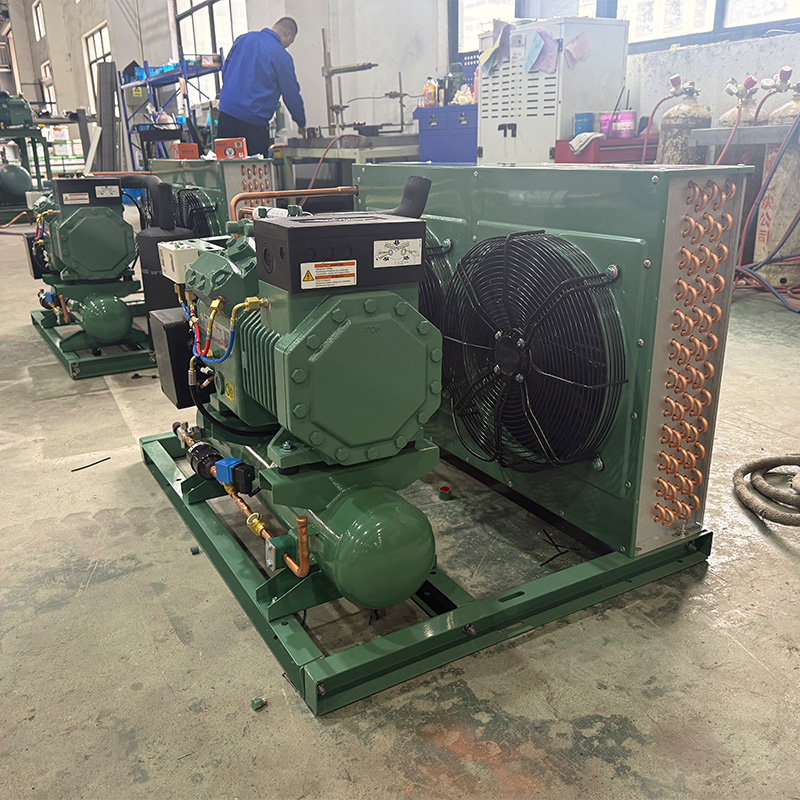
Additionally, consider the capacity of the unit. This is typically measured in cubic meters and should align with your storage needs. Remember that a unit that is too small can lead to overcrowding, affecting the cold room's efficiency, while an oversized unit may result in unnecessary energy consumption. A reliable option in this category could be the Bitzer Condensing Unit, known for its efficiency and effectiveness.
Another important aspect is energy efficiency. Look for units with high energy efficiency ratings, which can significantly reduce operational costs. It is also beneficial to review the manufacturer’s reputation and warranty offerings, as reliable suppliers often provide better support and service, ensuring that your investment is protected.
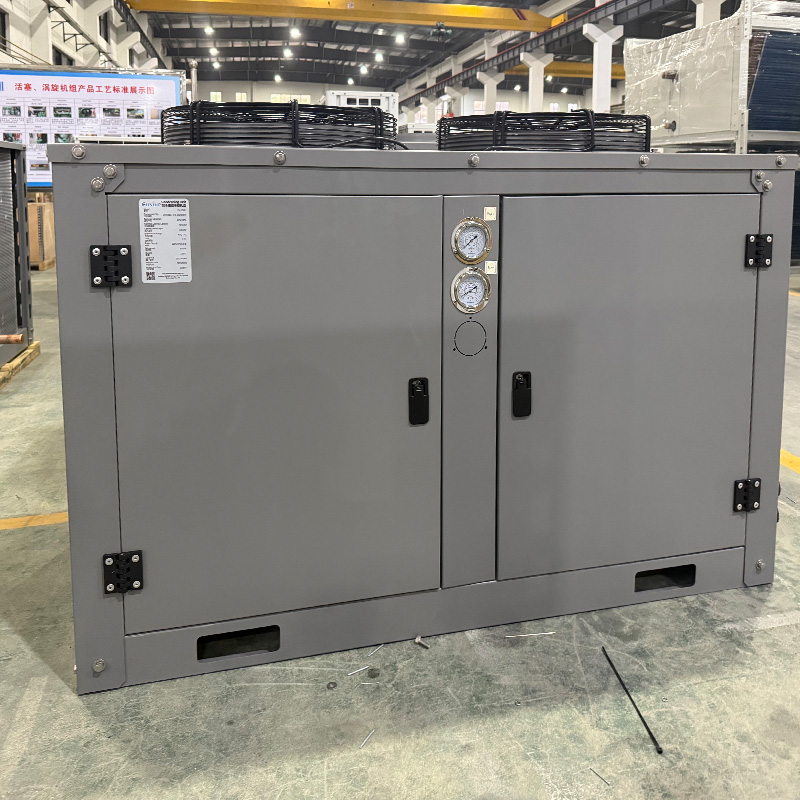
Evaluating cold room unit specifications involves a comprehensive understanding of several technical parameters. Start by examining the cooling capacity, usually expressed in kilowatts (kW) or British Thermal Units (BTUs). This specification indicates how much heat the unit can remove from the space per hour and should match the thermal load of the products being stored.
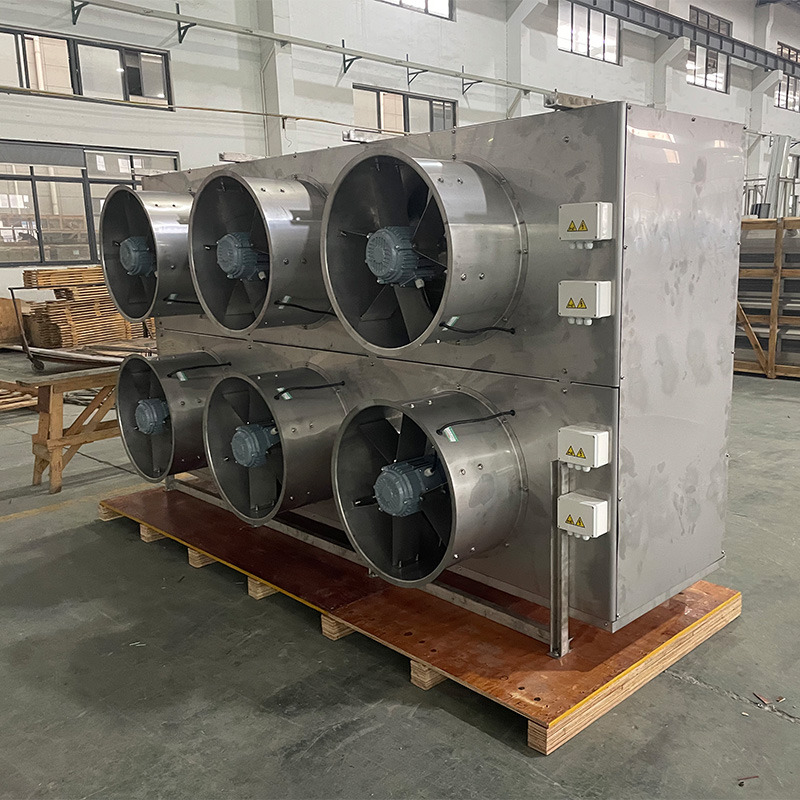
Next, pay attention to the insulation thickness and material. Good insulation is crucial for maintaining temperature stability and energy efficiency. Insulation materials like polyurethane foam are common, offering excellent thermal resistance. Be aware of the unit's refrigerant type; modern units often use eco-friendly refrigerants like R-410A or R-404A, which have lower environmental impacts. For those looking for eco-friendly solutions, the Euxiur High Efficiency Evaporator is a great choice.
Also, assess the design and layout options. Some units can be customized or modular, allowing for flexibility in installation and future expansion. Ensure that the design accommodates your specific workflow and product handling requirements.
Quality and cost are intertwined when selecting a cold room unit. High-quality units may have a higher upfront cost but can lead to long-term savings through energy efficiency and durability. It is essential to analyze the total cost of ownership, which includes initial purchase price, installation expenses, maintenance costs, and energy consumption over time.
Look for units that have undergone rigorous quality control processes and have industry certifications, such as CE or ISO. These certifications indicate compliance with safety and performance standards. Additionally, inquire about the manufacturer's experience and patent portfolio; a company with a strong background and innovative designs, like Shanghai EMTH with over 20 years of experience and 20 patents, is more likely to offer reliable and advanced solutions.
Proper installation and maintenance of cold room units are critical for optimal performance. When installing, ensure that the unit is placed in an area with adequate ventilation and away from direct sunlight or heat sources to enhance efficiency. It is advisable to follow the manufacturer’s installation guidelines closely and consider professional installation if necessary.
Regular maintenance is essential to prolong the lifespan of your cold room unit. This includes routine checks of the refrigerant levels, cleaning the condenser coils, and inspecting door seals for any wear and tear. Schedule preventive maintenance at least twice a year to catch potential issues early. Keeping a maintenance log can also help track the unit’s performance and any repairs needed.
Common issues, such as temperature fluctuations or unusual noises, should be addressed promptly to avoid compromising the cold room's integrity. Having a reliable service partner can facilitate timely repairs and ensure minimum downtime.
A modern factory space that covers more than 40000 square meters, it is able to meet the vast majority of the EMTH production requirements.
Complete service program, from formulating of plans to the production and Cooling room, to after-sales service, there are specific docking.
EMTH EMTH has a track record in the field with over 3,000+ happy customers.
More than 20 years of' experience and an experienced EMTH R&D staff.

Welcome to EMTH, a cold storage refrigeration equipment specialist in China! We offer innovative and effective cold storage solutions, including cold storage, evaporator, condensing unit and ice machine.
Room 304-305B, Building 5, BESHINE B.P, No. 559Zhuyuan Road, Minhang District 201112, Shanghai, China
Copyright © Shanghai EMTH Import & Export Co., Ltd. All Rights Reserved. - Privacy Policy
 EN
 AR
 BG
 HR
 CS
 DA
 NL
 FI
 FR
 DE
 EL
 IT
 JA
 KO
 NO
 PL
 PT
 RO
 RU
 ES
 TL
 IW
 ID
 LT
 SR
 VI
 HU
 TH
 MS
 AZ
 JW
 LO
 MN
 SO
 MY
 KK
 TG
 UZ
 GD
 XH