Cold storage condensing units play a crucial role in maintaining optimal temperature conditions for perishable goods across various industries. As a key component of refrigeration systems, these units are essential for ensuring food safety, enhancing product longevity, and optimizing energy efficiency. B2B buyers, including purchasing managers and engineers, often seek detailed insights into specifications, installation guidance, and common issues related to cold storage condensing units. This article aims to provide valuable information that will assist in making informed purchasing decisions.
When evaluating cold storage condensing units, several key specifications must be considered to ensure they meet operational requirements. First, the cooling capacity, usually measured in BTUs (British Thermal Units), determines how much heat the unit can remove from the space within a specific timeframe. Buyers should assess their cooling needs based on the size of the cold storage area and the heat load generated by the products stored.
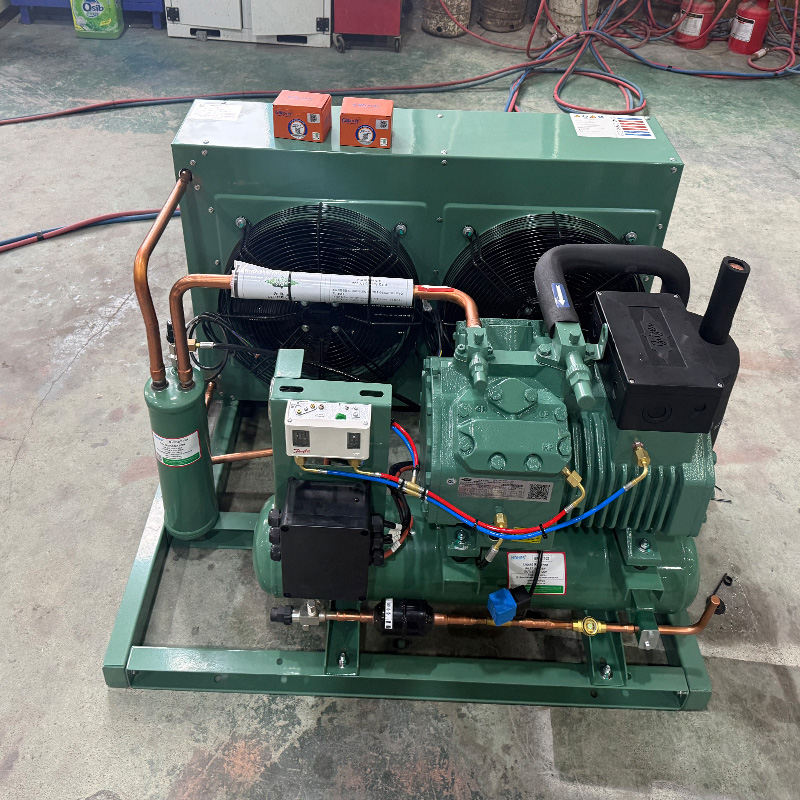
Another critical specification is the refrigerant type, which affects both efficiency and environmental impact. Many modern units utilize eco-friendly refrigerants that comply with environmental regulations, making them suitable for businesses focused on sustainability. For instance, the Bitzer Condensing Unit is renowned for its energy-efficient design and compliance with these regulations.
Additionally, the unit's energy efficiency rating, often indicated by the Energy Efficiency Ratio (EER) or Coefficient of Performance (COP), is essential for evaluating operational costs. A higher EER or COP indicates better energy efficiency, potentially leading to significant savings over time.
Lastly, consider the physical dimensions and weight of the unit, which will impact installation and space planning. Ensure compatibility with the existing infrastructure, including electrical and ventilation systems.
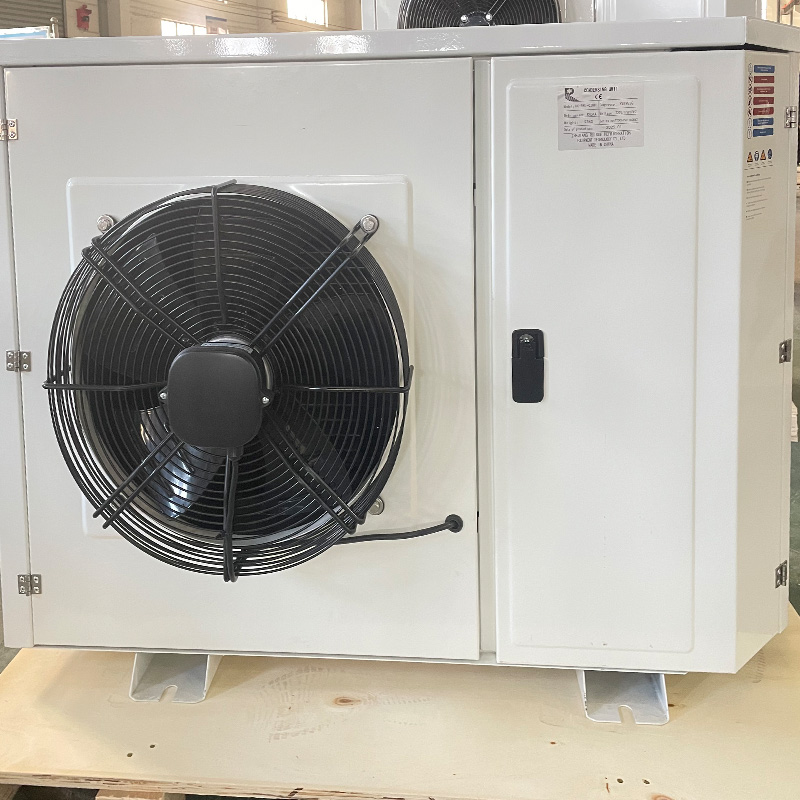
Proper installation of cold storage condensing units is vital for optimal performance and longevity. Start by ensuring that the installation location complies with the manufacturer's guidelines regarding ventilation and spacing. Adequate airflow around the unit will enhance efficiency and prevent overheating.
Before installation, assess the electrical requirements, including voltage and amperage, to prevent operational issues. It’s recommended to engage a licensed electrician for the electrical connections to ensure safety and compliance with local codes.
During installation, double-check the refrigerant lines for proper routing and insulation. Poorly insulated lines can lead to energy losses and affect overall system efficiency. After installation, perform a thorough check of all connections and test the unit to confirm that it operates within the specified parameters.
Finally, consider establishing a preventive maintenance schedule post-installation to ensure continued efficiency and performance, which includes regular checks on refrigerant levels, compressor function, and overall system integrity. Investing in a quality Compressor for Refrigeration Tools and Equipment can significantly enhance your system's reliability.
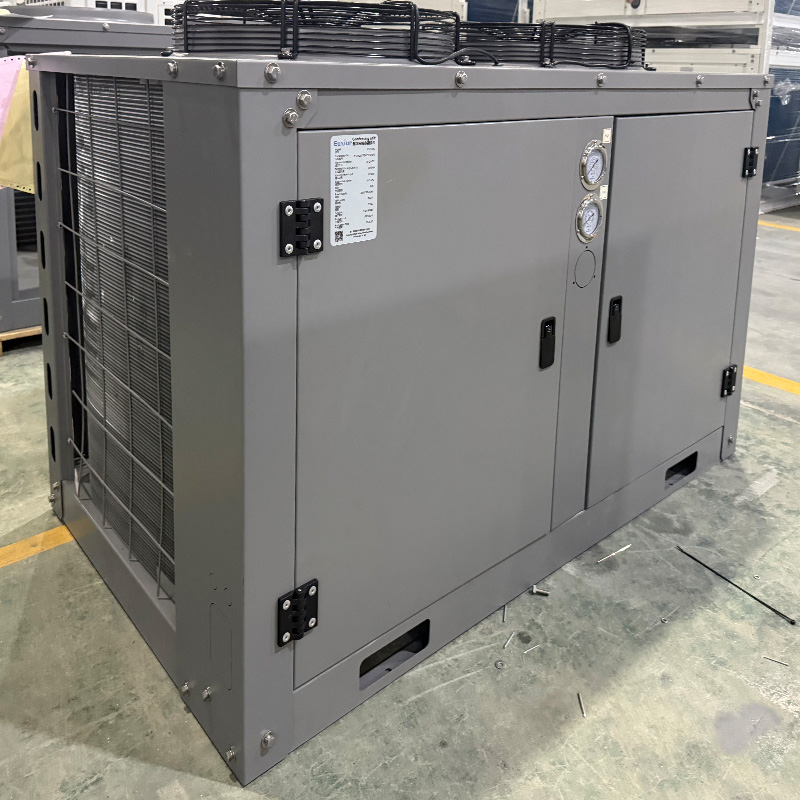
B2B buyers should be aware of several common issues that can arise with cold storage condensing units. One prevalent problem is inadequate cooling, often caused by refrigerant leaks or compressor failure. Regular maintenance checks can help identify and rectify these issues before they escalate.
Another frequent issue is excessive noise during operation, which may indicate problems with the compressor or fan motors. If noise levels increase, it is advisable to have the unit inspected by a qualified technician to prevent further damage.
Frost build-up on the evaporator coils can also hinder performance. This usually occurs due to airflow restrictions or low refrigerant levels. Regularly inspecting air filters and ensuring proper airflow can mitigate this issue.
Lastly, electrical failures can cause system shutdowns. Implementing a robust monitoring system can alert users to electrical anomalies, enabling prompt action and reducing downtime.
Cold storage condensing units are integral to numerous industries, including food and beverage, pharmaceuticals, and logistics. In the food industry, these units maintain the freshness and safety of perishable items such as fruits, vegetables, dairy products, and meats. Ensuring the correct temperature is vital for preventing spoilage and maintaining quality.
In pharmaceuticals, cold storage units are used to store sensitive medications and vaccines that require strict temperature controls. Any deviation from the required temperature range can compromise product efficacy, making reliable refrigeration systems essential.
The logistics sector also relies on cold storage condensing units for transporting temperature-sensitive goods. This includes refrigerated trucks equipped with these units, which are crucial for maintaining the cold chain during transit.
A modern plant of over 4000 square meters is in operation to meet the majority Ice maker for commercial production requirements.
Complete service program, from formulating of plans to the production and Cooling room, to after-sales service, there are specific docking.
After more than 20 years of expertise, we've got full sales and production and after-sales process with more than 20 patent certificates and a skilled R&D EMTH team.
With a great reputation in the industry with over 3,000+ clients served, EMTH EMTH is a trustworthy known and dependable supplier that has been recognized by other clients.

Welcome to EMTH, a cold storage refrigeration equipment specialist in China! We offer innovative and effective cold storage solutions, including cold storage, evaporator, condensing unit and ice machine.
Room 304-305B, Building 5, BESHINE B.P, No. 559Zhuyuan Road, Minhang District 201112, Shanghai, China
Copyright © Shanghai EMTH Import & Export Co., Ltd. All Rights Reserved. - Privacy Policy
 EN
 AR
 BG
 HR
 CS
 DA
 NL
 FI
 FR
 DE
 EL
 IT
 JA
 KO
 NO
 PL
 PT
 RO
 RU
 ES
 TL
 IW
 ID
 LT
 SR
 VI
 HU
 TH
 MS
 AZ
 JW
 LO
 MN
 SO
 MY
 KK
 TG
 UZ
 GD
 XH