Cold storage condensers are essential components in refrigeration systems, playing a crucial role in maintaining optimal temperatures for perishable goods. Buyers, such as purchasing managers and engineers, often prioritize reliability, efficiency, and compatibility when selecting condensers for their cold storage applications. This article will address common installation challenges, supplier reliability, cost factors, applications across industries, and a comparison of different types of cold storage condensers, providing valuable insights to facilitate informed purchasing decisions.
Installing cold storage condensers can present several challenges, which if not addressed properly, can lead to inefficiencies or even system failures. One common issue is aligning the condenser with existing refrigeration units. Misalignment can cause airflow restrictions, leading to inadequate cooling performance. To mitigate this, it’s essential to conduct a thorough assessment of the installation site and ensure that the condenser is compatible with the existing system specifications.
Another challenge is managing the condensate drainage. Improper drainage can lead to water accumulation, which may damage the condenser or affect its efficiency. It’s advisable to design the installation with gravity-fed drainage in mind and utilize drain pans where necessary. Additionally, ensuring proper insulation on refrigerant lines can prevent condensation, which can also contribute to system inefficiencies.
Lastly, the electrical connections require careful attention. Inadequate electrical supply or improper connections can lead to operational failures. Buyers should engage qualified electricians to ensure that the electrical setup meets the specifications required for the condenser's operation.
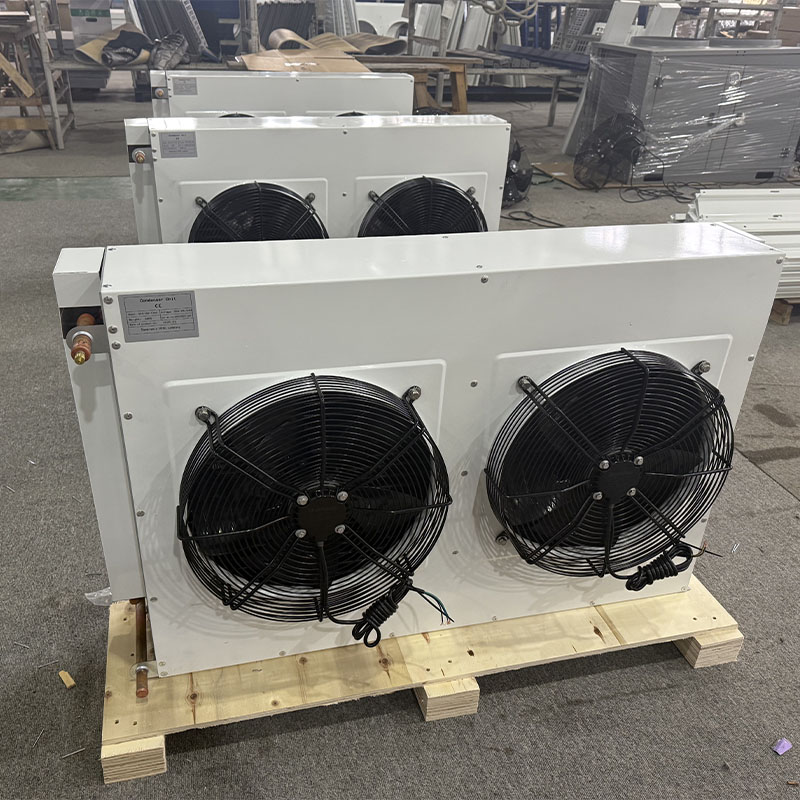
Finding reliable suppliers for cold storage condensers involves thorough research and evaluation. Start by looking for manufacturers with a strong background in refrigeration equipment, such as Shanghai EMTH, which specializes in the production of condensers with over 20 years of experience. Evaluating a supplier's industry reputation is crucial; seek out customer reviews and case studies that highlight their reliability and product performance.
Trade shows and industry conferences are excellent venues for connecting with potential suppliers and assessing their products firsthand. Networking with industry professionals can also yield recommendations for reputable suppliers.
Additionally, consider suppliers that offer comprehensive service packages, including technical support and customization options. This ensures that you not only receive a quality product but also ongoing assistance in case of any issues.
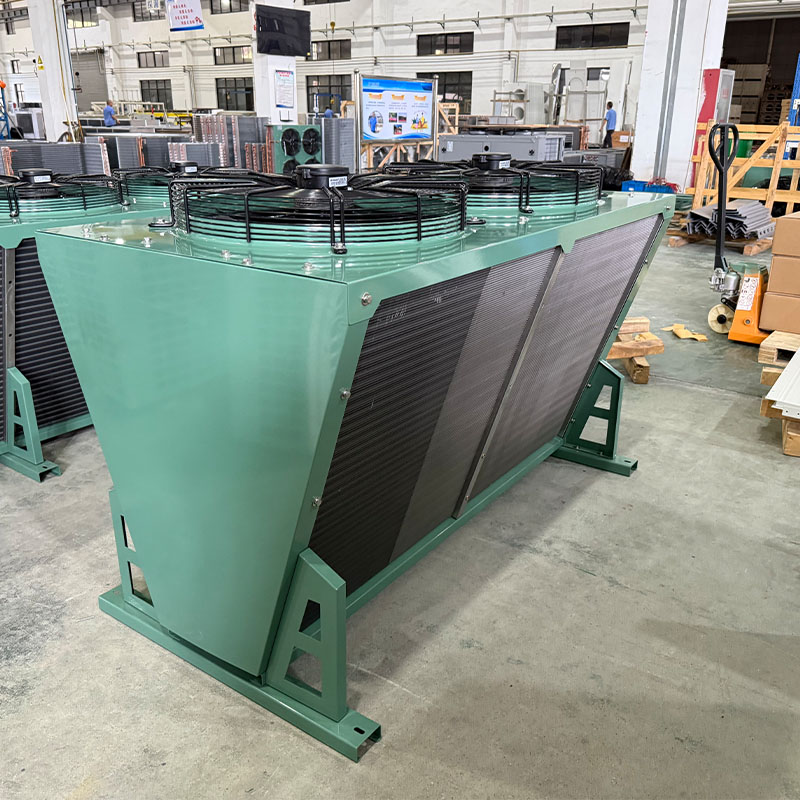
When evaluating the cost of cold storage condensers, several factors should be taken into account. The initial purchase price is just one aspect; additional costs may arise from installation, maintenance, and energy consumption.
Material and Manufacturing Quality: The materials used in constructing the condenser can significantly influence pricing. High-quality materials may have a higher upfront cost but can lead to lower maintenance and replacement costs over time.
Customization Requirements: If specific customization is needed to meet unique operational needs, this can increase the cost. It’s important to discuss these needs with suppliers early on to understand how they will affect pricing.
Volume Discounts: For wholesale purchases, inquire about volume discounts. Many suppliers are willing to negotiate prices based on order size, which can lead to significant savings.
Warranty and Support: Assess the warranty terms and the level of technical support provided post-purchase. A supplier offering an extensive warranty and solid support may justify a higher price due to reduced risk.
Energy Efficiency Ratings: Investing in energy-efficient condensers may have a higher initial cost, but the long-term savings in operational costs can make them more economical over time.
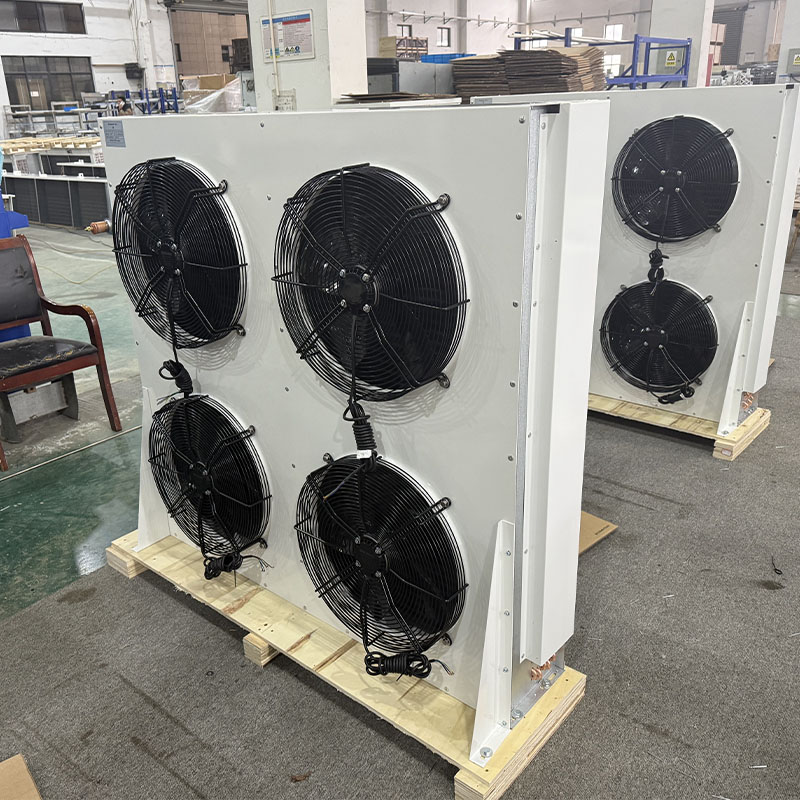
Cold storage condensers find applications across multiple industries, ensuring the preservation of temperature-sensitive products. In the food and beverage industry, they are vital for storing perishable items such as dairy, meats, and frozen goods. Maintaining strict temperature controls ensures product safety and compliance with health regulations.
In the pharmaceutical sector, cold storage condensers are crucial for storing vaccines, medications, and biological samples that require strict temperature control to remain effective. Ensuring consistent temperature management can prevent costly product losses and regulatory issues.
Additionally, the floral industry relies on cold storage condensers to maintain the freshness of flowers and plants during transit and storage. By controlling the environment, suppliers can ensure longer shelf lives and higher quality upon delivery.
EMTH has a long-standing track record of success in the industry with more than 3,000 satisfied customers.
A modern factory of over 40000 square meters is in place to satisfy the majority of Condensing units requirements.
Complete service program, from formulating of plans, production of Cold room as well as project landing until after-sales service, there are specific docking.
After more than 20 years of expertise, we've got full sales and production and after-sales process with more than 20 patent certificates and a skilled R&D EMTH team.

Welcome to EMTH, a cold storage refrigeration equipment specialist in China! We offer innovative and effective cold storage solutions, including cold storage, evaporator, condensing unit and ice machine.
Room 304-305B, Building 5, BESHINE B.P, No. 559Zhuyuan Road, Minhang District 201112, Shanghai, China
Copyright © Shanghai EMTH Import & Export Co., Ltd. All Rights Reserved. - Privacy Policy
 EN
 AR
 BG
 HR
 CS
 DA
 NL
 FI
 FR
 DE
 EL
 IT
 JA
 KO
 NO
 PL
 PT
 RO
 RU
 ES
 TL
 IW
 ID
 LT
 SR
 VI
 HU
 TH
 MS
 AZ
 JW
 LO
 MN
 SO
 MY
 KK
 TG
 UZ
 GD
 XH