Choosing the right cold room maker is crucial for businesses looking to maintain optimal storage conditions for temperature-sensitive goods. A cold room is a specialized refrigerated space used across various industries to preserve perishable products. Buyers typically have concerns about product quality, energy efficiency, customization options, and compliance with industry standards. This article aims to guide B2B buyers through the essential considerations when selecting a cold room maker and help them make informed purchasing decisions.
When selecting a cold room maker, it's essential to assess several factors to ensure the chosen solution meets your operational requirements. Start by defining the size and layout of the cold room needed for your specific application. The dimensions should reflect not only the volume of products you intend to store but also allow for efficient airflow and accessibility.
Next, consider the temperature range required for your products. Different cold room makers offer various cooling technologies, such as vapor-compression systems or liquid cooling. Understanding your temperature needs will help you evaluate the efficiency and performance of a cold room maker. For example, products like the YH Type Condenser can be essential in achieving optimal temperature control.
Finally, assess the manufacturer’s experience and capabilities. Companies like Shanghai EMTH, with over 20 years of industry experience and multiple patents, can provide insights into the latest technologies and best practices in refrigeration equipment. Look for manufacturers that offer customization options, as this allows for tailored solutions that fit your specific operational needs. Additionally, you might want to explore options like the Bitzer Condensing Unit for high-performance solutions.
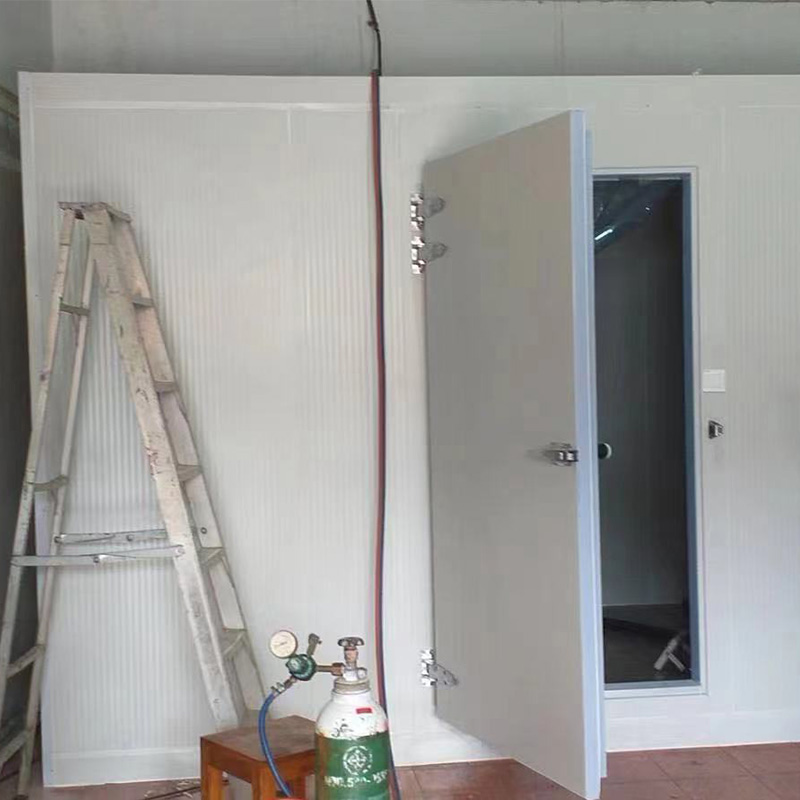
When sourcing cold room solutions, several key specifications should be evaluated to ensure compatibility with your requirements:
Insulation Thickness: The insulation material and its thickness directly impact energy efficiency and temperature retention. Thicker insulation minimizes heat transfer, reducing energy costs.
Cooling Capacity: Measured in BTUs, this indicates how effectively the cold room can maintain the required temperature. Ensure that the cooling capacity aligns with the volume of goods stored and the desired temperature.
Building Materials: The materials used in constructing the cold room, such as galvanized steel or stainless steel, affect durability and hygiene. Stainless steel is ideal for food storage due to its resistance to corrosion.
Sealing Systems: Quality sealing is crucial for maintaining internal temperatures. Evaluate the door seals and structural integrity to prevent air leaks, which can lead to temperature fluctuations.
Energy Efficiency Ratings: Look for energy-efficient solutions that can help reduce operational costs. Manufacturers often provide energy efficiency ratings that can guide purchasing decisions.
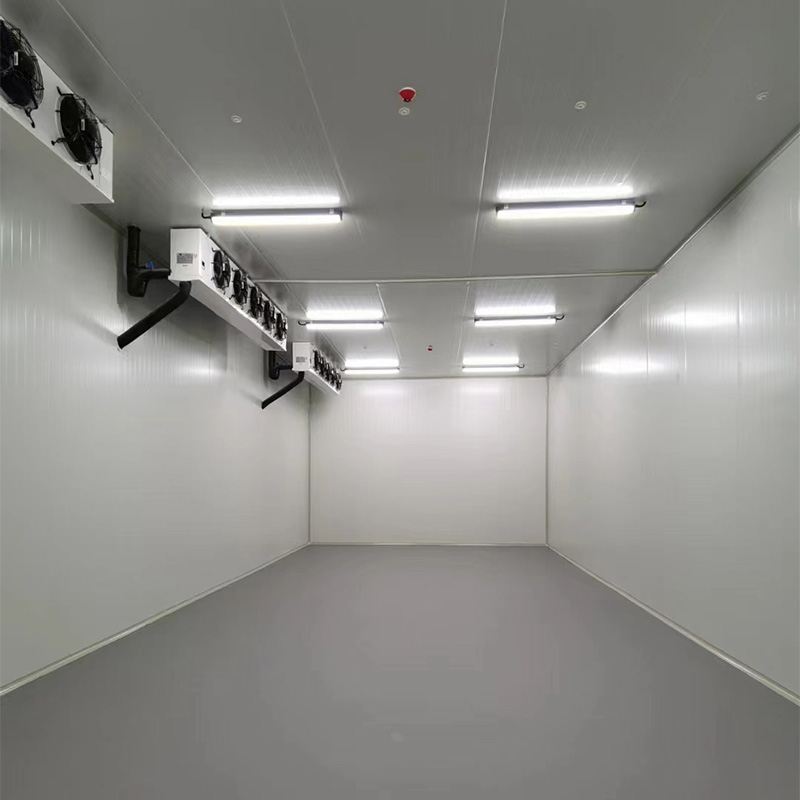
Proper installation is critical to the performance and longevity of a cold room. Here are some key considerations:
Site Preparation: Ensure the installation site is level and properly prepared to accommodate the cold room's weight and dimensions. Conduct a thorough assessment of the electrical and plumbing requirements in advance.
Professional Installation: Engage experienced professionals for installation. Incorrect installation can lead to performance issues, such as inadequate cooling or increased energy consumption.
Temperature Monitoring Systems: Implement reliable temperature monitoring systems that provide real-time data. This is essential for maintaining optimal conditions and ensuring compliance with industry standards.
Regular Maintenance: Establish a routine maintenance schedule to check seals, filters, and cooling systems. Regular inspections can prevent costly downtime and ensure ongoing efficiency.
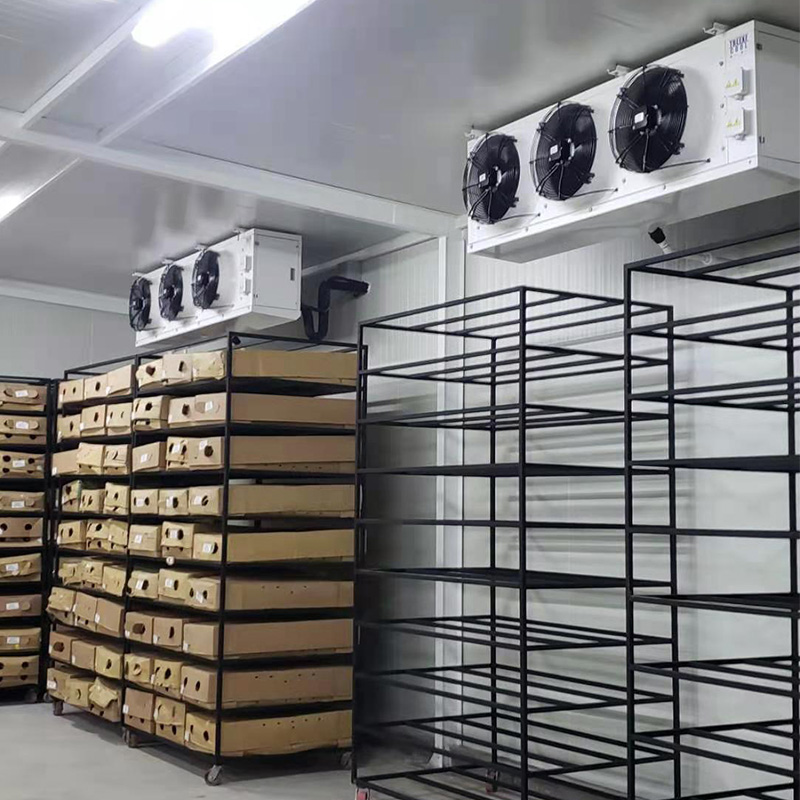
Cold rooms are integral to various industries that require strict temperature control for their products. Key sectors include:
Food and Beverage: Restaurants, supermarkets, and food processors rely on cold rooms to store perishable items, ensuring food safety and extending shelf life. Pharmaceuticals: Cold rooms are essential for storing temperature-sensitive medications and vaccines, where maintaining specific temperatures is crucial for efficacy. Floral and Horticulture: Flower shops and nurseries utilize cold rooms to preserve the freshness of flowers and plants, prolonging their marketability. Understanding the unique needs of these industries can help manufacturers tailor their offerings and ensure compliance with relevant regulations.EMTH EMTH has a track record in the field with over 3,000+ happy customers.
Complete service system, from the creation of plans, Ice maker for commercial production and project landing, to after-sales services, there's special docking.
Over 20 years of experience, we have the complete sales and after-sales systems with more than 20 patents and a professional R&D EMTH team.
A modern factory of over 40000 square meters is in place to meet the majority of the EMTH production needs.

Welcome to EMTH, a cold storage refrigeration equipment specialist in China! We offer innovative and effective cold storage solutions, including cold storage, evaporator, condensing unit and ice machine.
Room 304-305B, Building 5, BESHINE B.P, No. 559Zhuyuan Road, Minhang District 201112, Shanghai, China
Copyright © Shanghai EMTH Import & Export Co., Ltd. All Rights Reserved. - Privacy Policy
 EN
 AR
 BG
 HR
 CS
 DA
 NL
 FI
 FR
 DE
 EL
 IT
 JA
 KO
 NO
 PL
 PT
 RO
 RU
 ES
 TL
 IW
 ID
 LT
 SR
 VI
 HU
 TH
 MS
 AZ
 JW
 LO
 MN
 SO
 MY
 KK
 TG
 UZ
 GD
 XH