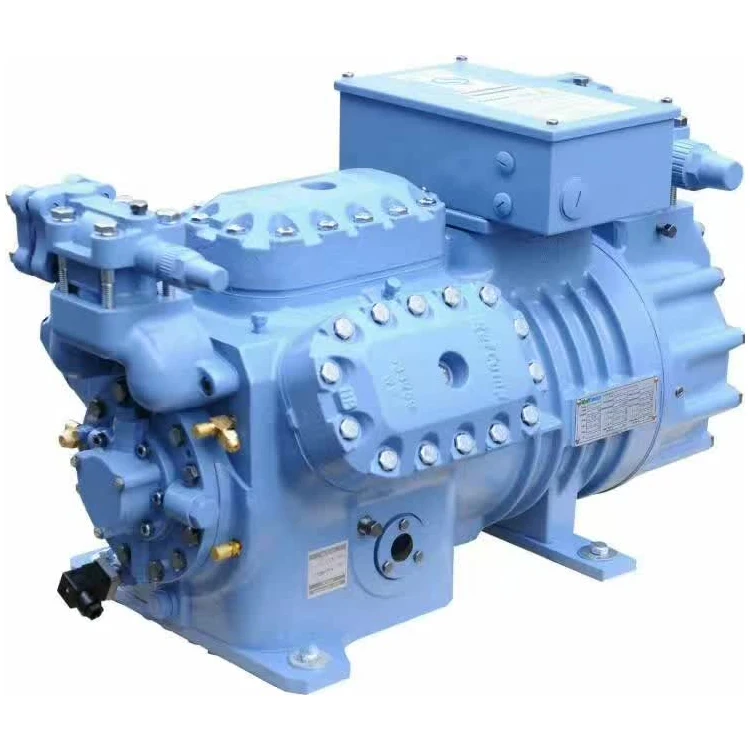
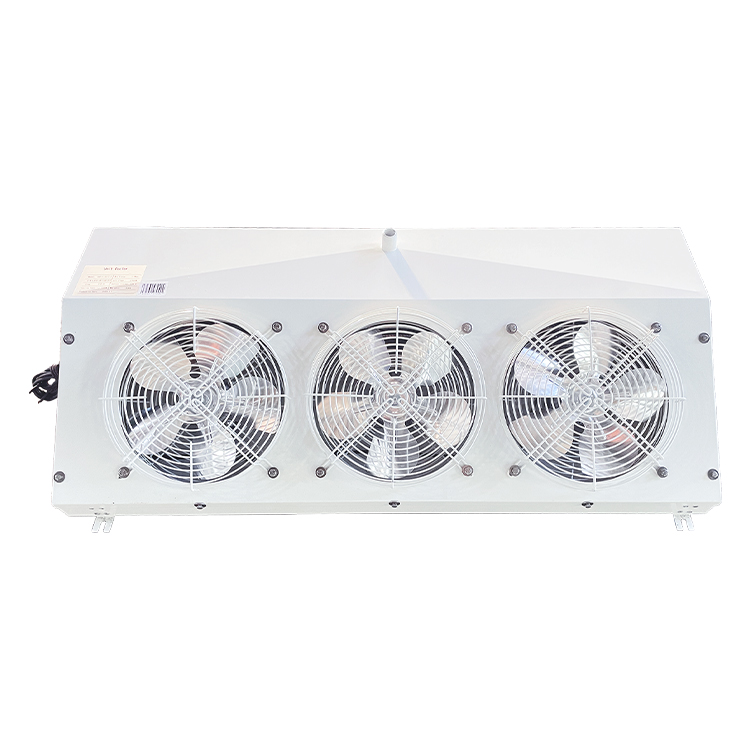
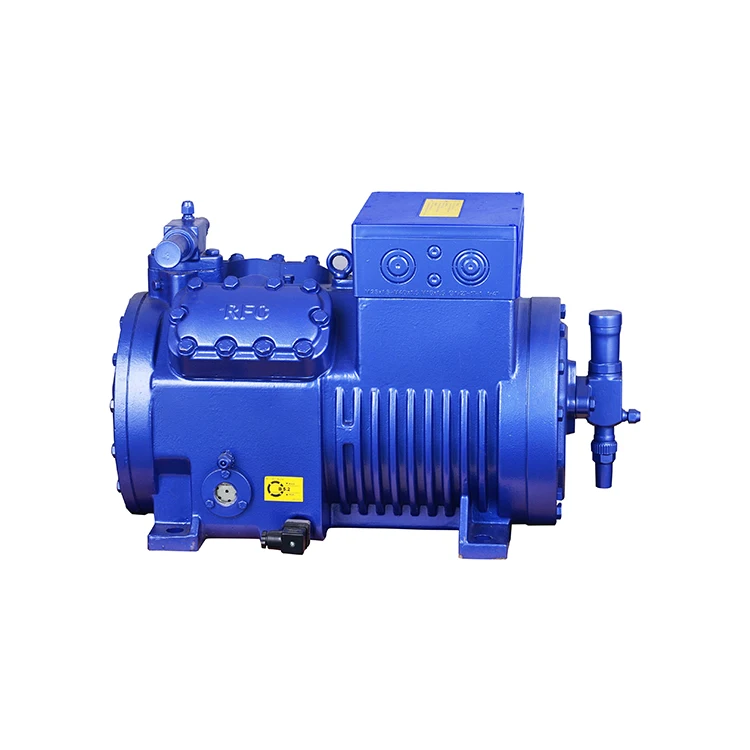
Air heat exchangers are critical components in many industrial and commercial applications, facilitating efficient heat transfer between fluids without mixing them. As a B2B buyer, understanding the nuances of air heat exchangers is essential, especially when considering bulk orders, sourcing, and long-term performance. This article will address key considerations for purchasing air heat exchangers, helping you make informed decisions that align with your project requirements.
When placing bulk orders for air heat exchangers, several factors come into play to ensure a reliable supply. First, consider the manufacturer's production capacity. A facility with a modern manufacturing setup, like ours at Shanghai EMTH, often has the capability to meet large order demands efficiently, reducing lead times.
Another crucial aspect is the minimum order quantity (MOQ). Understanding the MOQ helps in planning your procurement strategy, especially for projects with varying needs. Additionally, it's important to confirm the manufacturer’s ability to maintain consistent quality across large batches. This consistency can be ensured through rigorous quality control processes, which should include regular inspections and testing of finished products.
Moreover, consider the logistics of shipping and delivery. Coordinating with suppliers on lead times and shipping methods can prevent delays in your project timelines. Establishing clear communication channels regarding order status and delivery timelines will further enhance the reliability of your supply chain. For example, our Refrigeration Accessories can streamline your delivery process.
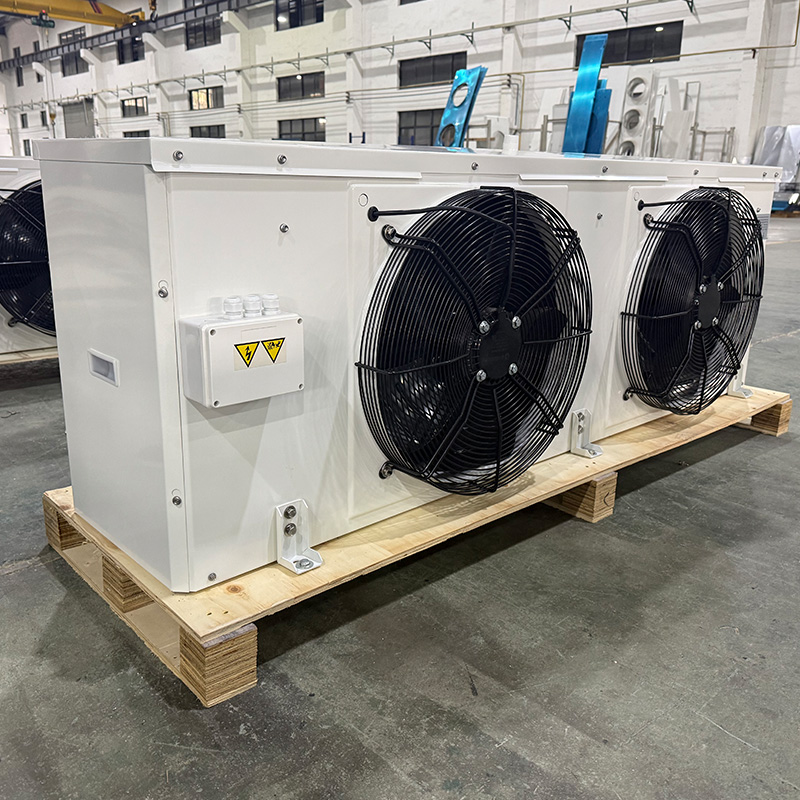
Sourcing high-quality air heat exchangers involves evaluating suppliers based on several criteria. Begin by researching manufacturers with a strong reputation in the refrigeration equipment industry. Look for companies like Shanghai EMTH, which has over 20 years of experience and holds multiple patents, indicating a commitment to innovation and quality.
Consider suppliers who offer comprehensive service packages. A manufacturer that provides one-stop solutions, including design, production, and installation support, can streamline your procurement process. Additionally, check for certifications that assure compliance with industry standards, which can be a benchmark for quality assurance.
Engaging with suppliers who can provide references or case studies of past projects can also provide insights into their reliability and product performance. This is especially important for projects where the application of the heat exchanger is critical to operational success.
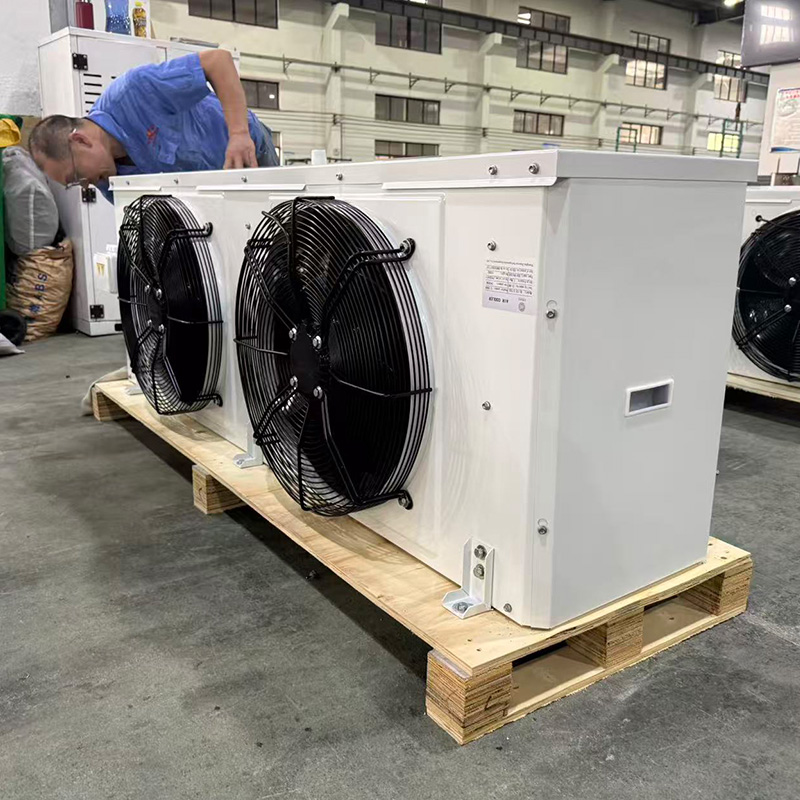
When evaluating air heat exchangers, pay attention to key specifications that impact their performance and suitability for your application. Important criteria include:
Material Composition: The choice of materials affects durability and heat transfer efficiency. Common materials include aluminum and stainless steel, each offering different advantages in terms of corrosion resistance and thermal conductivity.
Dimensions and Design: Ensure that the exchanger fits your space and operational requirements. Specifications like length, width, and height must align with the intended installation site.
Heat Transfer Rate: This is crucial for determining the efficiency of the heat exchanger. Look for data on the heat transfer coefficient and overall effectiveness to gauge its performance in different operating conditions.
Operating Conditions: Confirm that the heat exchanger can withstand the specific temperature and pressure ranges of your application. This includes understanding the maximum and minimum operational limits.
Customization Options: Depending on your project's unique needs, you may require custom designs. A manufacturer with flexible customization capabilities can tailor products to meet specific operational requirements. For instance, including components like an Electronic Expansion Valve could enhance performance.
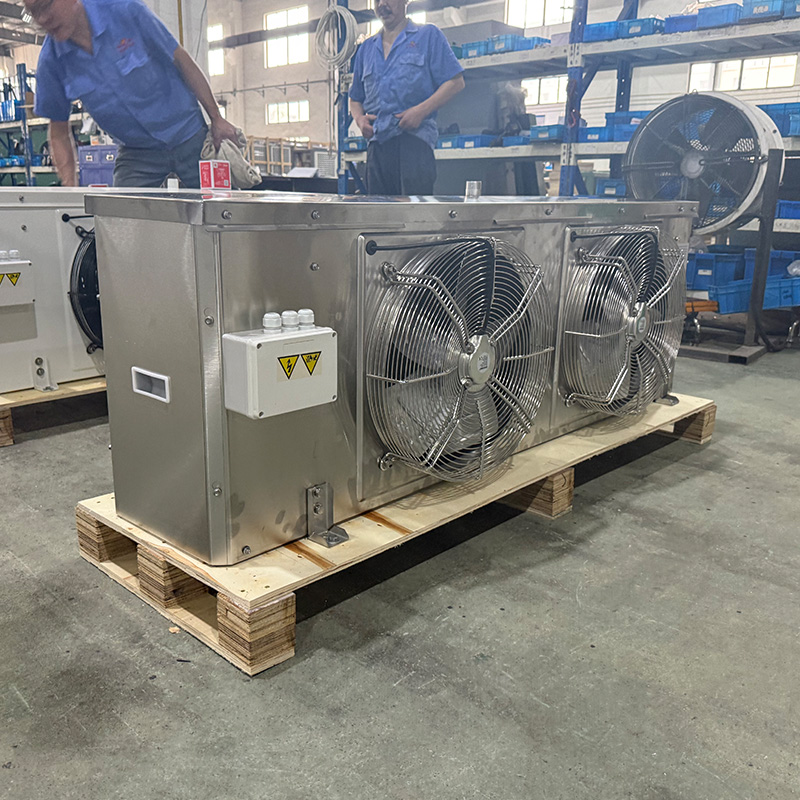
Air heat exchangers can encounter various issues during operation, which may affect their efficiency and lifespan. Common problems include:
Fouling: Accumulation of dirt and debris can significantly reduce heat transfer efficiency. Regular maintenance and cleaning schedules should be established to mitigate this issue.
Leakage: Ensure that the heat exchanger is designed to prevent leaks, which can compromise system integrity. Regular inspections should be part of your operational routine to identify and address potential leakage points early.
Corrosion: Depending on the operating environment, corrosion can be a major concern. Selecting the right materials for your specific application can help minimize this risk. For instance, in humid or corrosive atmospheres, opting for corrosion-resistant materials is advisable.
Inefficient Heat Transfer: This can stem from improper sizing or design. Always consult with your supplier to ensure you're choosing the right model based on your specific heat transfer requirements.
By understanding these potential problems and implementing proactive measures, you can enhance the reliability of your air heat exchangers and ensure their optimal performance over time.
More than 20 years of of experience and a professional R&D EMTH staff.
With a good reputation in the industry and more than 3,000 clients who have been served, Condensing unit is a trustworthy established supplier that has been recognized by other customers.
Special docking is offered to provide a full range of service. This includes the creation of Cuber ice machine, production installations, landing plans, and after-sales support.
A modern factory space that covers more than 40000 square meters, it is able to meet the vast majority of the EMTH production requirements.

Welcome to EMTH, a cold storage refrigeration equipment specialist in China! We offer innovative and effective cold storage solutions, including cold storage, evaporator, condensing unit and ice machine.
Room 304-305B, Building 5, BESHINE B.P, No. 559Zhuyuan Road, Minhang District 201112, Shanghai, China
Copyright © Shanghai EMTH Import & Export Co., Ltd. All Rights Reserved. - Privacy Policy
 EN
 AR
 BG
 HR
 CS
 DA
 NL
 FI
 FR
 DE
 EL
 IT
 JA
 KO
 NO
 PL
 PT
 RO
 RU
 ES
 TL
 IW
 ID
 LT
 SR
 VI
 HU
 TH
 MS
 AZ
 JW
 LO
 MN
 SO
 MY
 KK
 TG
 UZ
 GD
 XH