An air-cooled condenser coil is a crucial component in various refrigeration systems, designed to dissipate heat from refrigerants to the surrounding air. For B2B buyers, selecting the right air-cooled condenser coil is essential for ensuring system efficiency and reliability. Key considerations include application suitability, material selection, and quality assurance. In this article, we will explore how to choose the right air-cooled condenser coil for your project needs, the key specifications to consider, how to evaluate quality, common problems and solutions, and cost factors when purchasing in bulk.
When selecting an air-cooled condenser coil, it's important to first assess the application's specific requirements. Consider factors such as cooling capacity, environmental conditions, and space constraints. For instance, a coil designed for high ambient temperatures may require different materials and designs than one used in a cooler climate. It's worth noting that certain Air Curtain systems can also impact the overall efficiency of your cooling setup.
Additionally, compatibility with the refrigerant type is crucial. Different refrigerants have varying thermal properties, which may affect the coil's performance. Consulting with your manufacturer can help ensure you choose a coil that meets your operational needs and adheres to local regulations.
Customization options can also play a significant role in your selection. Some manufacturers, like Shanghai EMTH, offer tailored solutions, allowing you to specify dimensions, materials, and configurations that suit your project. Engaging with the supplier early in the design process can lead to a more efficient and effective refrigeration system.
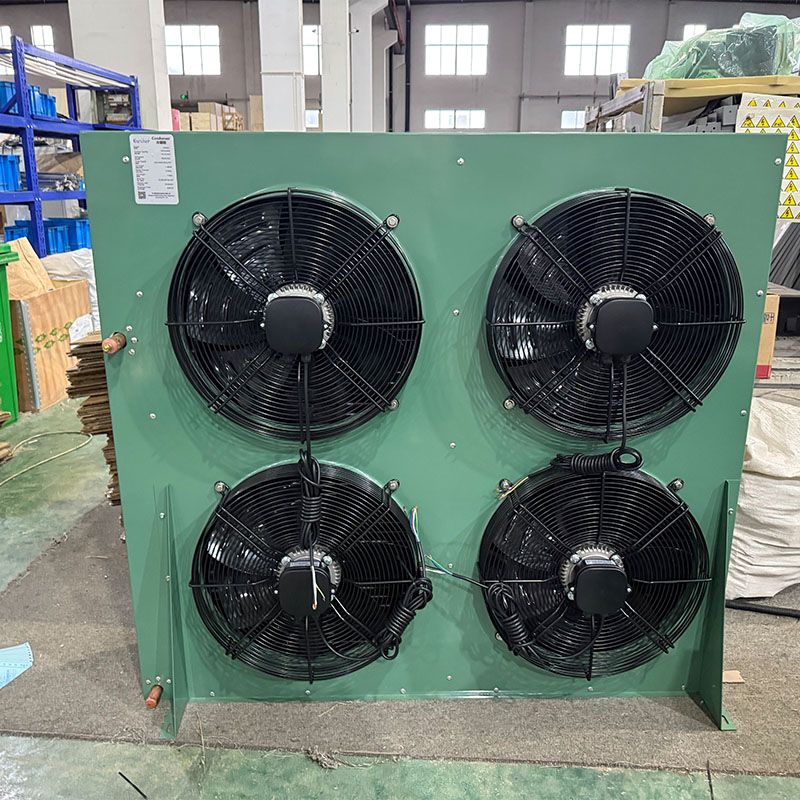
Understanding the key specifications of air-cooled condenser coils is essential for making an informed purchasing decision. Here are some vital specifications to consider:
Material: Common materials include copper and aluminum. Copper offers excellent thermal conductivity but may be more expensive, whereas aluminum is lighter and often more cost-effective. The choice of material affects not only performance but also durability and resistance to corrosion.
Fin Design: The fin structure plays a significant role in enhancing heat transfer efficiency. Different fin designs, such as louvered or plain fins, can impact airflow and heat exchange capabilities. A louvered fin design, for example, increases surface area for better cooling but may require more maintenance.
Dimensions: The size of the condenser coil must fit within the design constraints of your system. Ensure that the dimensions align with your space requirements and that they can handle the expected airflow.
Cooling Capacity: Measured in BTUs or kW, the cooling capacity of the coil should match the cooling load of your system. Underestimating this requirement can lead to inefficiencies and increased operational costs.
Pressure Ratings: Make sure the coil can withstand the operating pressures of your refrigeration system. This is particularly important in systems using high-pressure refrigerants.
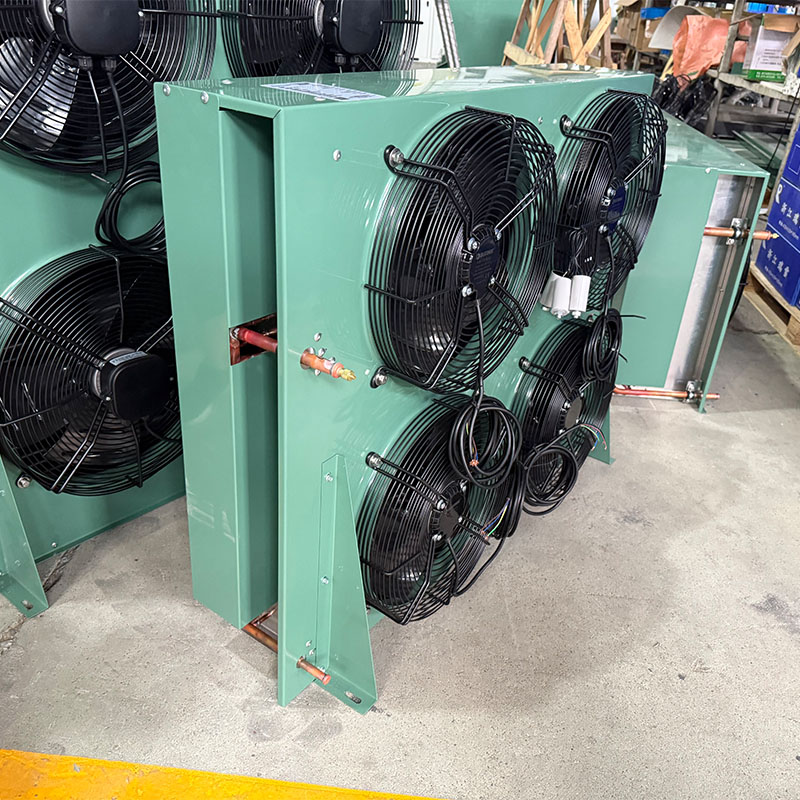
Quality evaluation is critical when sourcing air-cooled condenser coils. Start by looking for manufacturers that implement stringent quality control processes. This may include inspections during various manufacturing stages, material testing, and performance evaluations.
One practical approach is to request product samples before placing a bulk order. Testing samples under actual operating conditions can reveal potential issues with fit, performance, or material integrity. Additionally, inquire about certifications or compliance with industry standards, as these can provide assurance of product quality.
Reviewing customer testimonials and case studies can also help gauge a supplier's reliability. A manufacturer with a robust track record in producing quality coils for similar applications can be a trustworthy partner.
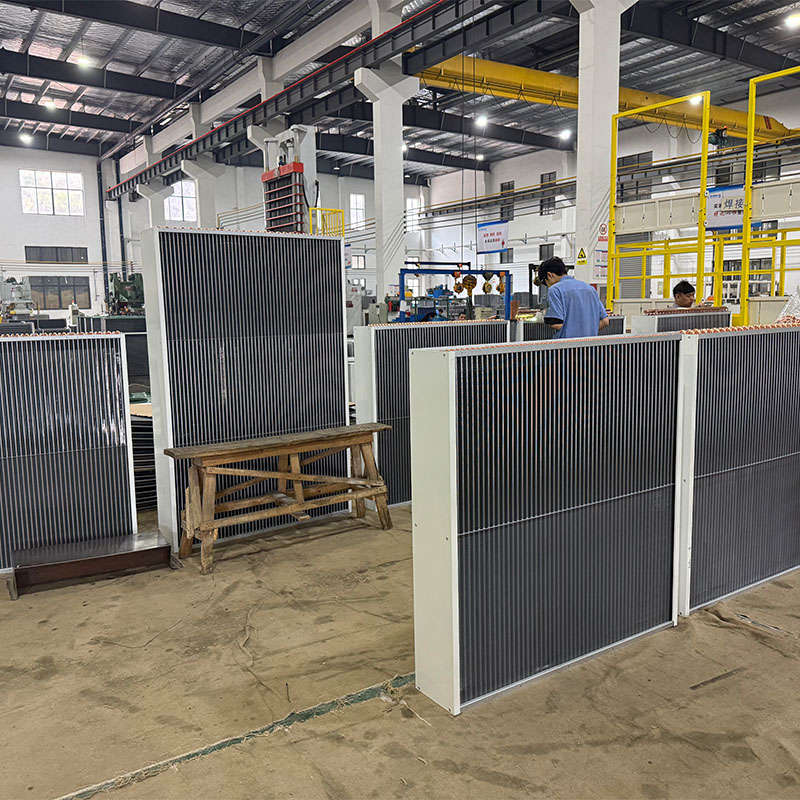
Air-cooled condenser coils can encounter several common issues that may affect their performance. Here are a few to watch for, along with potential solutions:
Icing: Icing can occur when the coil operates in low ambient temperatures or if the airflow is obstructed. To mitigate this, ensure proper airflow and consider using a defrost cycle if necessary.
Corrosion: Coils exposed to harsh environments may suffer from corrosion. Selecting corrosion-resistant materials and applying protective coatings can help prolong the life of the coil.
Noise Issues: Excessive noise can be a concern, particularly in commercial applications. Using vibration-absorbing mounts or selecting coils designed for quieter operation can alleviate this problem.
Reduced Efficiency: Over time, dirt and debris can accumulate on the coil surfaces, reducing heat transfer efficiency. Regular maintenance and cleaning schedules are essential to ensure optimal performance.
More than 20 years of' experience and an experienced R&D EMTH team.
A modern plant of over 4000 square meters is in operation to meet the majority Ice maker for commercial production requirements.
Special docking is offered for a complete service. This includes the design of Commercial ice maker, production installation, landing projects, and after-sales support.
With a great reputation in the industry with over 3,000+ clients served, EMTH EMTH is a trustworthy known and dependable supplier that has been recognized by other clients.

Welcome to EMTH, a cold storage refrigeration equipment specialist in China! We offer innovative and effective cold storage solutions, including cold storage, evaporator, condensing unit and ice machine.
Room 304-305B, Building 5, BESHINE B.P, No. 559Zhuyuan Road, Minhang District 201112, Shanghai, China
Copyright © Shanghai EMTH Import & Export Co., Ltd. All Rights Reserved. - Privacy Policy
 EN
 AR
 BG
 HR
 CS
 DA
 NL
 FI
 FR
 DE
 EL
 IT
 JA
 KO
 NO
 PL
 PT
 RO
 RU
 ES
 TL
 IW
 ID
 LT
 SR
 VI
 HU
 TH
 MS
 AZ
 JW
 LO
 MN
 SO
 MY
 KK
 TG
 UZ
 GD
 XH