Air cooled condensers are essential components in refrigeration systems, used to dissipate heat from refrigerants in various applications. As a purchasing manager or engineer, your main concerns likely revolve around efficiency, reliability, and cost-effectiveness. This article will guide you through key specifications to consider when evaluating air cooled condensers, where to find trustworthy suppliers, installation guidelines, and common issues that may arise, along with their solutions.
When assessing air cooled condensers, several specifications can significantly impact performance and suitability for your specific application.
1. Size and Capacity: The condenser's size should correspond to the cooling capacity required for your system. It’s important to match the unit's cooling capacity (measured in BTUs or tons) to your refrigeration needs to ensure efficiency.
2. Material Composition: Common materials include aluminum and copper. Aluminum is lightweight and resistant to corrosion, but may not be as durable as copper, which offers superior thermal conductivity. Evaluate the operating environment to determine the most suitable material.
3. Fan Type and Efficiency: The type of fans used (axial or centrifugal) affects airflow and energy consumption. Efficient fans, such as axial fans, can reduce operating costs and noise levels while improving overall system performance.
4. Operating Conditions: Verify the temperature and pressure ratings of the condenser. These ratings should align with the specific conditions your refrigeration system will encounter, including ambient temperature and refrigerant type.
5. Certifications: Look for products that comply with industry standards and certifications, which can indicate quality and reliability. Common certifications include CE, UL, and ISO standards.
These specifications are critical for ensuring the air cooled condenser operates efficiently, meets your system's requirements, and minimizes operational costs.
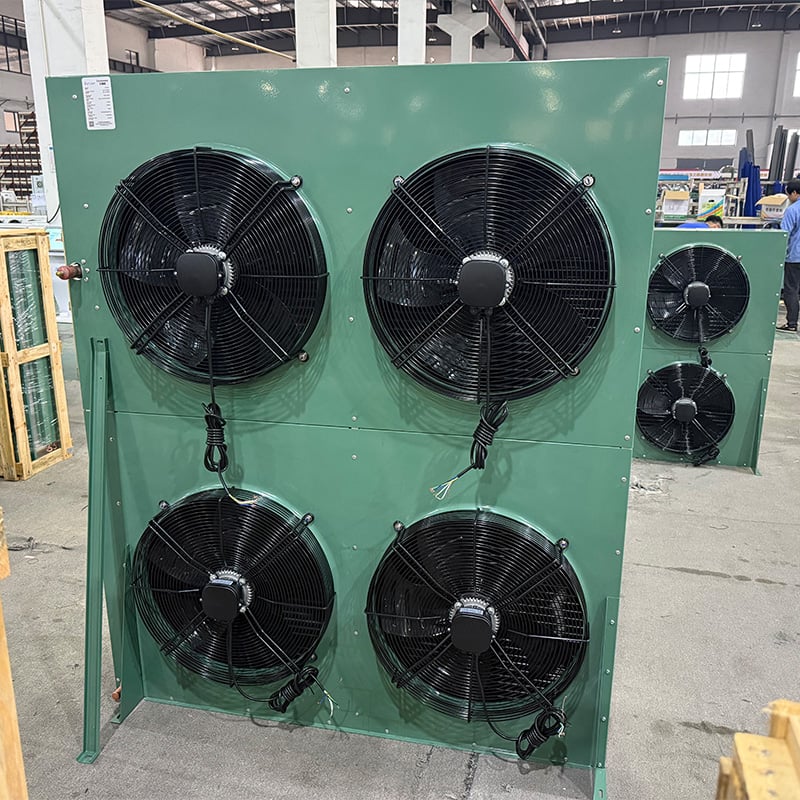
Identifying trustworthy suppliers for air cooled condensers can greatly influence the success of your procurement process. Here are several strategies to find reliable manufacturers:
1. Industry Associations and Trade Shows: Attend relevant trade shows and industry events to meet manufacturers and distributors in person. This allows you to assess their products firsthand and establish relationships.
2. Online Marketplaces and Directories: Utilize B2B platforms like Alibaba, ThomasNet, or Global Sources to find a variety of suppliers. Look for companies with solid reviews, a history of successful transactions, and comprehensive product offerings.
3. Referrals and Recommendations: Reach out to industry peers or colleagues for recommendations on suppliers they have successfully worked with. Personal experiences can provide valuable insights into reliability and service quality.
4. Manufacturer Background Checks: Investigate potential suppliers' history, including years in business, patent holdings, and production capabilities. A manufacturer like Shanghai EMTH, for example, benefits from over 20 years of experience and a robust portfolio, which can instill confidence in potential buyers.
5. Quality Assurance Processes: Ensure that the supplier has stringent quality control measures in place. Ask about their testing procedures, certifications, and warranty policies to gauge their commitment to quality. Look for suppliers who offer a range of refrigeration accessories to complement your air cooled condensers.
By employing these strategies, you can identify suppliers who not only provide air cooled condensers but also deliver quality and service that meet your operational needs.
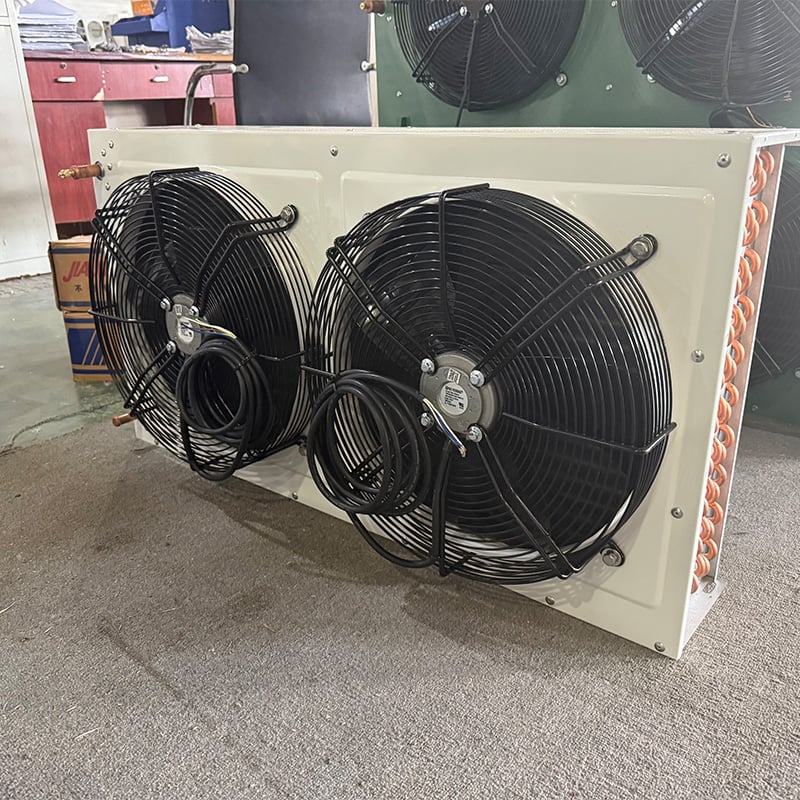
When purchasing air cooled condensers, it is essential to set clear expectations regarding product delivery, quality, and service levels. Here are some key factors to consider:
1. Lead Time: Understand the expected lead time for production and delivery. This can vary based on the supplier's capacity, the complexity of your order, and whether you require any customization.
2. Minimum Order Quantities (MOQ): Check the supplier's MOQ, as this can impact your procurement strategy. Some suppliers may have flexible MOQs, while others may require larger orders.
3. Customization Options: If your application requires specific features or modifications, confirm the supplier's ability to accommodate customization requests. This could include size adjustments, specific materials, or unique design features.
4. Communication and Support: Evaluate the level of customer support offered by the supplier. Responsive communication can facilitate smoother transactions and help resolve any issues that may arise during procurement.
5. Payment Terms: Clarify payment terms to avoid any misunderstandings. Discussing payment schedules and methods upfront can help streamline the purchasing process.
Setting these expectations will lead to a more effective purchasing experience, ensuring that the air cooled condensers meet your operational requirements.
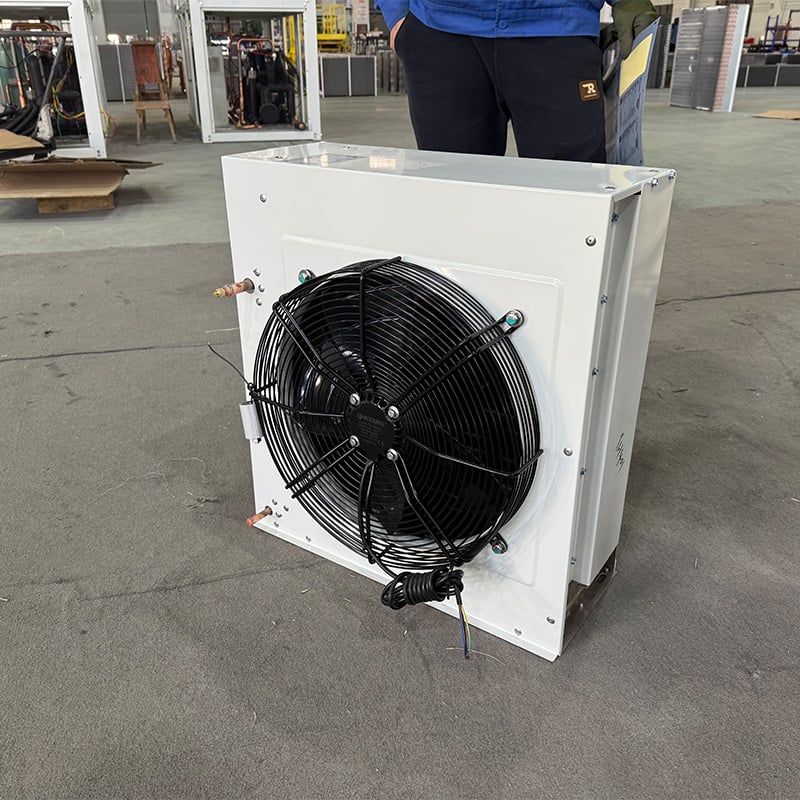
Proper installation is crucial for maximizing the efficiency of air cooled condensers. Here are some guidelines to follow:
1. Site Selection: Choose a location that allows for adequate airflow around the condenser. Avoid placing it near structures or equipment that could obstruct airflow, which can lead to overheating and reduced efficiency.
2. Leveling: Ensure that the condenser is installed on a level surface. An uneven installation can lead to vibration issues and affect the long-term performance of the unit.
3. Electrical Connections: Follow the manufacturer's guidelines for electrical connections. Ensure that power supply matches the specifications of the condenser to prevent potential damage.
4. Refrigerant Piping: Pay attention to the routing of refrigerant lines. Minimize bends and ensure proper insulation to reduce energy losses and maintain system efficiency.
5. Regular Maintenance Access: Design the installation to allow easy access for maintenance and inspections. Regular maintenance can prevent common issues and prolong the lifespan of the condenser.
By adhering to these installation guidelines, you can enhance the performance and reliability of your air cooled condensers, ultimately leading to lower operational costs.
A modern factory of over 40000 square meters is in place to meet the majority of the EMTH production needs.
With more than 20 years of knowledge, we've developed a a complete production and sales and after-sales process with more than 20 patent certificates and a skilled R&D EMTH team.
EMTH EMTH has a track record in the field with over 3,000+ happy customers.
With a full service system, from the formulation of plans, production of Condensing units as well as project landing until after-sales assistance, there's special docking.

Welcome to EMTH, a cold storage refrigeration equipment specialist in China! We offer innovative and effective cold storage solutions, including cold storage, evaporator, condensing unit and ice machine.
Room 304-305B, Building 5, BESHINE B.P, No. 559Zhuyuan Road, Minhang District 201112, Shanghai, China
Copyright © Shanghai EMTH Import & Export Co., Ltd. All Rights Reserved. - Privacy Policy
 EN
 AR
 BG
 HR
 CS
 DA
 NL
 FI
 FR
 DE
 EL
 IT
 JA
 KO
 NO
 PL
 PT
 RO
 RU
 ES
 TL
 IW
 ID
 LT
 SR
 VI
 HU
 TH
 MS
 AZ
 JW
 LO
 MN
 SO
 MY
 KK
 TG
 UZ
 GD
 XH