When it comes to maintaining optimal cooling in commercial freezer applications, the choice of a freezer condenser coil is crucial. These components play a pivotal role in the refrigeration cycle, affecting both energy efficiency and performance. B2B buyers within the manufacturing and commercial sectors often have specific concerns regarding product specifications, compatibility, and quality when sourcing freezer condenser coils. This article aims to guide purchasing managers, engineers, and distributors through the essential considerations when selecting freezer condenser coils for wholesale, ensuring they make informed decisions that enhance operational efficiency.
Selecting the right freezer condenser coil involves evaluating several key factors:
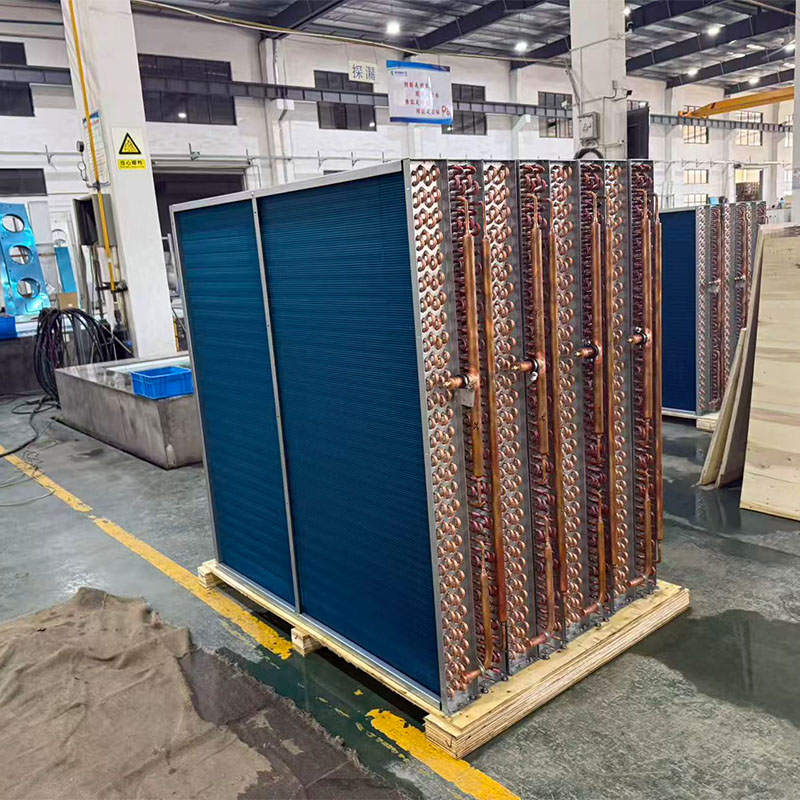
Material Composition: Most condenser coils are constructed from copper or aluminum. Copper is favored for its superior thermal conductivity, while aluminum offers lightweight benefits and resistance to corrosion. Consider the operating environment—high humidity or exposure to chemicals may necessitate specific material choices.
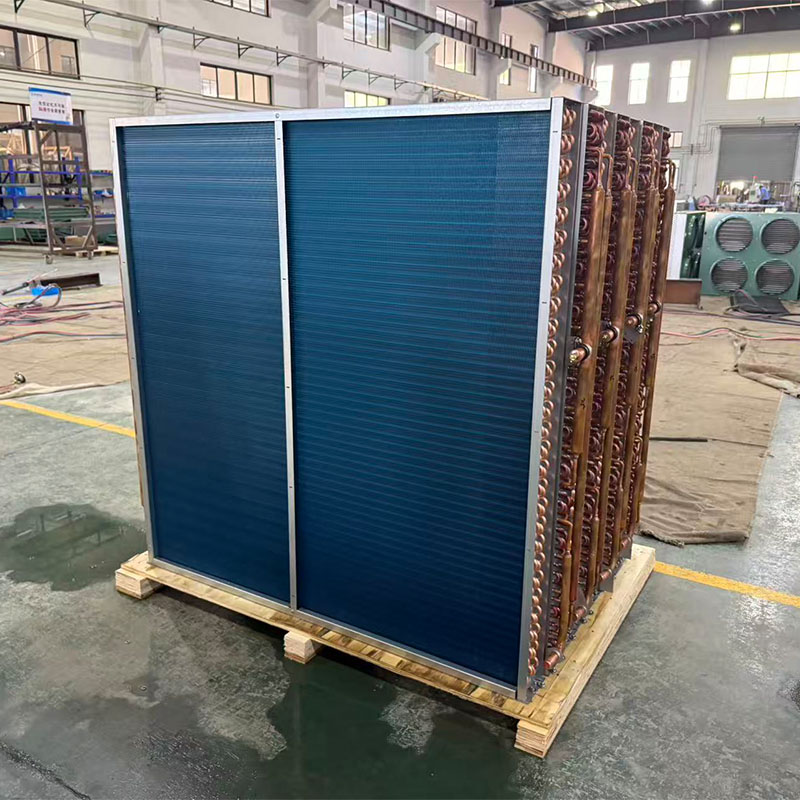
Design and Configuration: The coil’s design should align with the intended application. Factors such as coil size, fin density, and surface area directly impact cooling efficiency. A larger surface area can improve heat transfer, but it must also fit within the spatial constraints of your refrigeration unit.
Performance Specifications: Look for detailed specifications, including the coil's refrigerant compatibility, pressure ratings, and temperature range. Ensure that these specifications meet your operational requirements to prevent inefficiencies or failures.
Customization Capabilities: If your application has unique requirements, inquire about the manufacturer’s ability to provide customized solutions. This might include variations in size, material, or design to suit specific operational needs, such as incorporating refrigeration accessories that enhance functionality.
Quality Assurance: Manufacturers should have stringent quality control processes in place. Certifications and testing results can provide assurance regarding product reliability and performance.
When preparing to purchase freezer condenser coils, consider the following steps:
Define Your Needs: Clearly outline the specifications required for your application, including dimensions, material types, and performance metrics.
Request Samples: Before committing to a bulk order, obtain samples to evaluate the product’s fit and performance under actual operating conditions. This step can prevent costly mistakes later on.
Evaluate Suppliers: Research potential suppliers based on their manufacturing capabilities, customer reviews, and industry experience. A manufacturer with a proven track record and relevant expertise is likely to provide better quality products and support.
Inquire About Lead Times and Minimum Order Quantities (MOQ): Understand the supplier’s production capacity and lead times, especially if you have urgent needs. Also, clarify the MOQ to ensure it aligns with your purchasing plans.
Confirm Warranty and Support: Check the warranty terms and the level of customer support offered. A reliable manufacturer should be willing to assist with installation guidance and troubleshooting.
To ensure you are investing in high-quality freezer condenser coils, consider the following evaluation criteria:
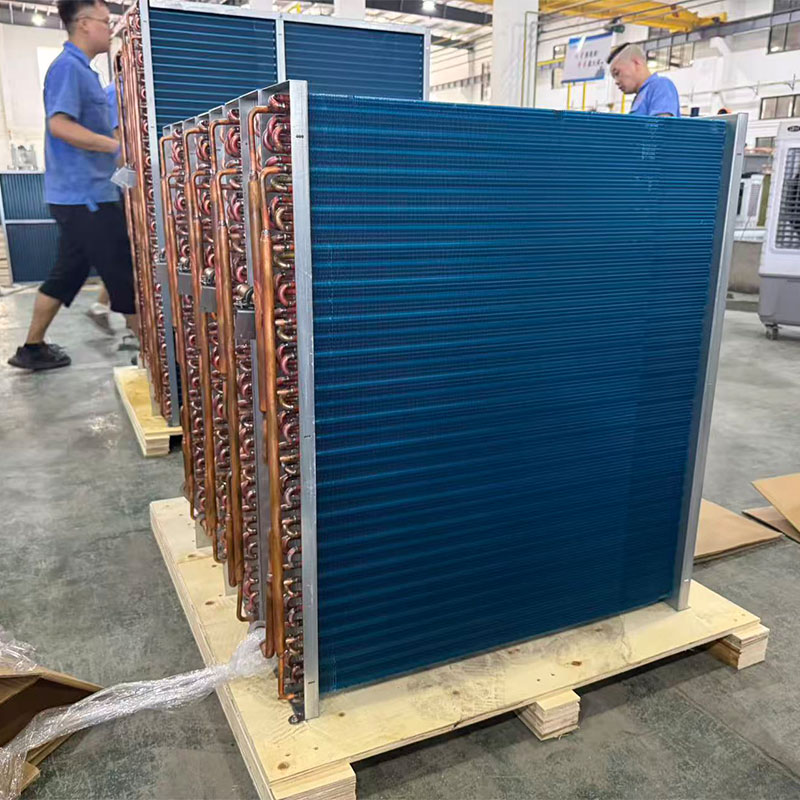
Visual Inspection: Examine the coils for any physical defects such as dents, corrosion, or poor welds. Inconsistencies can indicate manufacturing flaws that may affect performance.
Material Testing: Request documentation on the material specifications and any relevant certifications. This can include tests for corrosion resistance, tensile strength, and thermal conductivity.
Performance Testing: If possible, review performance data from previous installations or independent testing. Look for metrics related to heat transfer efficiency and energy consumption.
Supplier Reputation: Research the manufacturer’s reputation within the industry. Consider feedback from other buyers regarding their experiences with product quality and after-sales service.
Compliance Standards: Ensure the coils meet any relevant industry standards and regulations, which can vary by region and application. Compliance is crucial for both safety and operational reliability.
Sourcing freezer condenser coils involves identifying trustworthy suppliers who can meet your needs:
Industry Trade Shows: Attending relevant trade shows can help you connect with manufacturers, understand their offerings, and evaluate their products firsthand. Networking at these events can provide insights into market trends and supplier reliability.
Online Marketplaces and Directories: Websites that cater to B2B transactions often list manufacturers along with customer reviews and ratings. Look for suppliers with a strong presence and positive feedback in the refrigeration equipment sector.
Manufacturer Websites: Visiting manufacturer websites can provide detailed product catalogs, technical specifications, and case studies. This information can help you gauge whether they meet your specific requirements.
Local Distributors: Working with local distributors can be advantageous, especially for quicker delivery times and easier communication. They often have established relationships with manufacturers and can provide valuable insights into product performance.
Referrals and Recommendations: Seek referrals from industry contacts or associations. Recommendations from trusted sources can lead you to reliable suppliers with proven track records.
After more than 20 years of expertise, we've got full sales and production and after-sales process with more than 20 patent certificates and a skilled R&D EMTH team.
A modern factory of over 40,000 square meters is available to fulfill the majority of EMTH demands for production.
EMTH has a long-standing track record of success in the industry with more than 3,000 satisfied customers.
Complete service program, from formulating of plans to the production and Ice maker for under counter, to after-sales service, there are specific docking.

Welcome to EMTH, a cold storage refrigeration equipment specialist in China! We offer innovative and effective cold storage solutions, including cold storage, evaporator, condensing unit and ice machine.
Room 304-305B, Building 5, BESHINE B.P, No. 559Zhuyuan Road, Minhang District 201112, Shanghai, China
Copyright © Shanghai EMTH Import & Export Co., Ltd. All Rights Reserved. - Privacy Policy
 EN
 AR
 BG
 HR
 CS
 DA
 NL
 FI
 FR
 DE
 EL
 IT
 JA
 KO
 NO
 PL
 PT
 RO
 RU
 ES
 TL
 IW
 ID
 LT
 SR
 VI
 HU
 TH
 MS
 AZ
 JW
 LO
 MN
 SO
 MY
 KK
 TG
 UZ
 GD
 XH