When considering the purchase of a cooler condenser, it’s essential to evaluate various factors that will directly impact its performance and suitability for your specific application. Cooler condensers play a crucial role in refrigeration systems, ensuring that heat is efficiently expelled from the refrigerant, which is vital for maintaining optimal cooling levels. This article will guide purchasing managers, engineers, and product managers through evaluating the quality of cooler condensers, addressing common installation challenges, comparing different models, and understanding material advantages and technical performance.
When evaluating the quality of cooler condensers for bulk orders, several key specifications should be prioritized. First, assess the design and material of the condenser coils. Copper is generally favored for its excellent thermal conductivity, but aluminum can be a more cost-effective option with adequate performance for specific applications. Look for models that feature corrosion-resistant coatings, as this can extend the lifespan of the condenser, particularly in humid or corrosive environments. For instance, YH Type Condenser offers durable options designed for various applications.
Next, consider the manufacturing standards. A reputable manufacturer, such as Shanghai EMTH, with over 20 years of experience and multiple patents, typically adheres to strict quality control processes. Request information about certifications that confirm compliance with international standards. Additionally, ask for production samples to evaluate the build quality and ensure that dimensions meet your specifications accurately.
Finally, inquire about the manufacturer’s testing procedures. Reliable suppliers will conduct performance testing to ensure that their condensers can handle the intended load and environmental conditions. This level of scrutiny is crucial for buyers, as it directly correlates to the long-term efficiency and reliability of the cooling system.
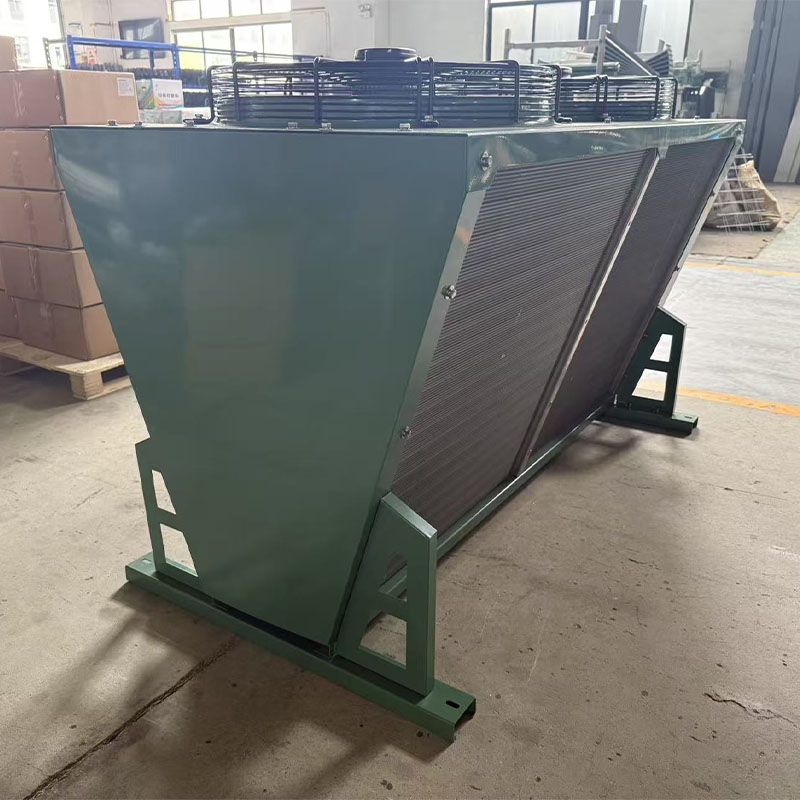
Installation of cooler condensers can present various challenges that can affect performance if not addressed adequately. One common issue is improper alignment during installation, which can lead to operational inefficiencies and increased wear on components. To mitigate this, ensure that the installation team is trained in proper alignment techniques and that all mounting brackets and supports are secure and level.
Another challenge is the management of airflow around the condenser. Insufficient airflow can lead to overheating and reduced efficiency. To avoid this, consult the manufacturer for recommended clearances and airflow requirements. Additionally, consider environmental factors such as nearby obstructions that may impede airflow.
Finally, refrigerant connections must be checked for leaks, as any loss of refrigerant can severely impact cooling performance. Implementing a rigorous inspection protocol can help identify any issues before they escalate, ensuring that the condenser operates at peak efficiency. You might also consider using high-quality components, such as the Compressor For Refrigeration Tools And Equipment, to enhance the overall reliability of your system.
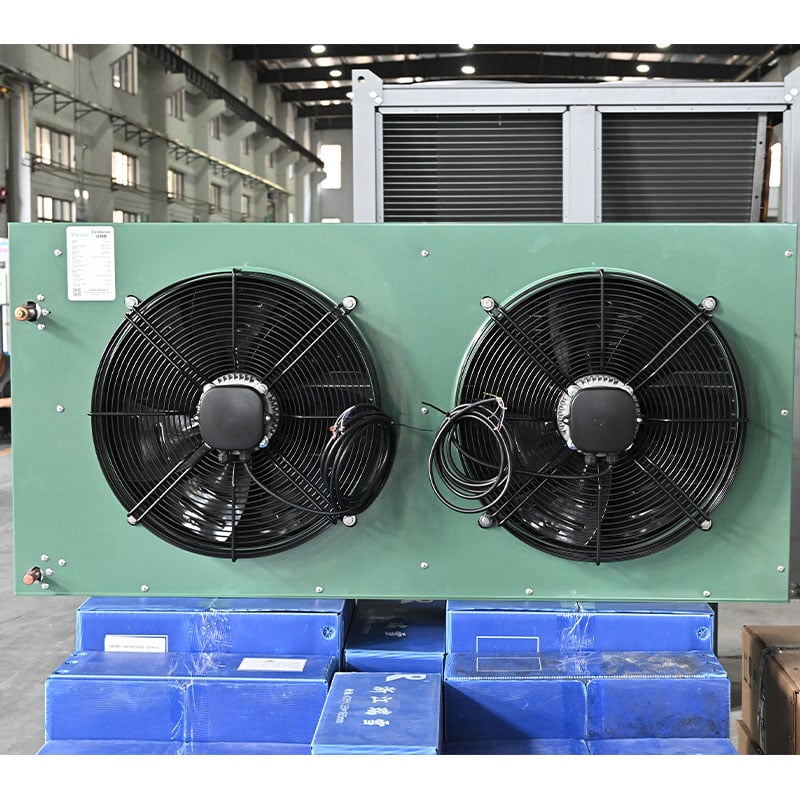
When comparing different cooler condenser models, it’s vital to assess their specifications against your specific application requirements. Start by looking at the cooling capacity, measured in BTUs (British Thermal Units). Ensure that the model you select can meet or exceed the demands of your refrigeration system.
Evaluate the dimensions and weight of each model, as these factors will impact installation space and structural support requirements. For instance, a larger condenser may provide more efficient cooling but could necessitate additional reinforcement in the installation area.
Also, consider the energy efficiency ratings of the models you are evaluating. Higher efficiency units may have a higher upfront cost but can provide significant savings in energy consumption over time. Request performance data from manufacturers to understand how different units perform under varying loads.
Finally, if customization is a priority, communicate your specific needs with the manufacturer. Many suppliers, like Shanghai EMTH, offer tailored solutions that can optimize performance for unique applications, ensuring you select the most suitable model for your operation.
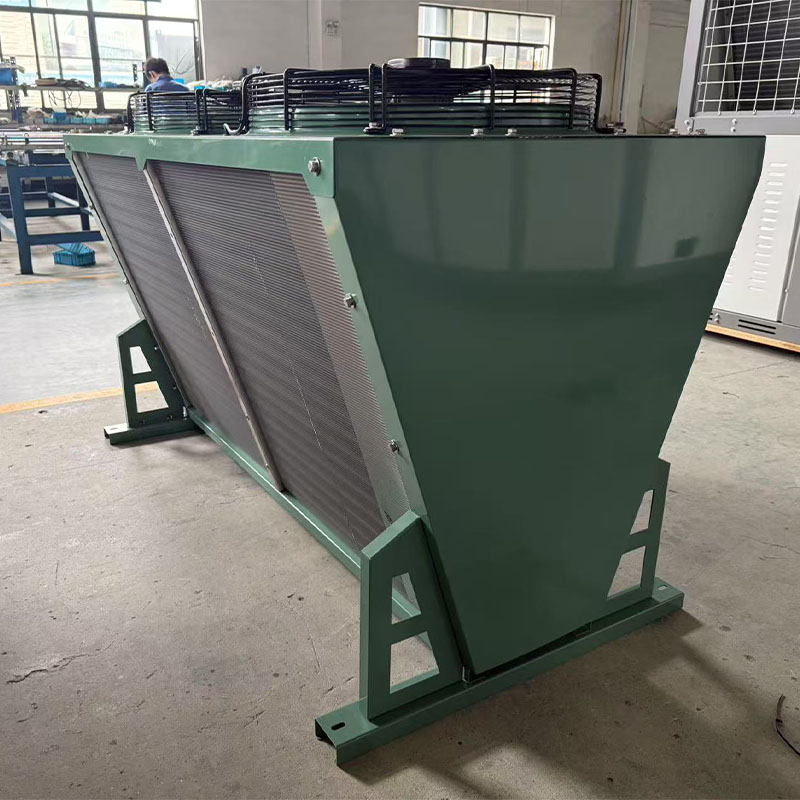
The materials used in cooler condensers are critical for ensuring long-term durability and performance. Copper and aluminum are the two most common materials used for condenser coils. Copper is known for its superior thermal conductivity, which enhances heat exchange efficiency. However, it is also more susceptible to corrosion unless properly treated. In contrast, aluminum is lightweight and resistant to oxidation, making it a popular choice for outdoor applications where moisture is present.
Additionally, consider the protective coatings applied to the condenser. Powder-coating or other corrosion-resistant treatments can significantly extend the life of the condenser in harsh environments. When selecting a cooler condenser, it’s essential to evaluate these material properties in relation to the specific environmental conditions they will face, such as humidity, temperature fluctuations, and exposure to chemicals.
Finally, the design of the condenser itself can influence its material performance. Fins and tube designs that maximize surface area can improve heat transfer and, when made from high-quality materials, enhance overall durability.
With more than 20 years of knowledge, we've developed a a complete production and sales and after-sales system with more than 20 patent certificates and a highly skilled R&D EMTH team.
Special docking is offered for a complete service. This includes the design of Coldrooms, production installation, landing projects, and after-sales support.
With a good reputation in the industry and more than 3,000 clients who have been served, Condensing unit is a trustworthy established supplier that has been recognized by other customers.
A modern plant of over 4000 square meters is in operation to meet the majority Refrigeration condenser production requirements.

Welcome to EMTH, a cold storage refrigeration equipment specialist in China! We offer innovative and effective cold storage solutions, including cold storage, evaporator, condensing unit and ice machine.
Room 304-305B, Building 5, BESHINE B.P, No. 559Zhuyuan Road, Minhang District 201112, Shanghai, China
Copyright © Shanghai EMTH Import & Export Co., Ltd. All Rights Reserved. - Privacy Policy
 EN
 AR
 BG
 HR
 CS
 DA
 NL
 FI
 FR
 DE
 EL
 IT
 JA
 KO
 NO
 PL
 PT
 RO
 RU
 ES
 TL
 IW
 ID
 LT
 SR
 VI
 HU
 TH
 MS
 AZ
 JW
 LO
 MN
 SO
 MY
 KK
 TG
 UZ
 GD
 XH