A 5HP cold room condensing unit is a critical component in refrigeration systems, providing efficient cooling for various industrial and commercial applications. Buyers often seek reliable performance, energy efficiency, and compatibility with existing systems when selecting a condensing unit. This article will guide you through the key considerations, specifications, installation guidance, cost factors, and applications of 5HP cold room condensing units to help you make an informed purchasing decision.
When selecting a 5HP cold room condensing unit, several factors must be taken into account to ensure optimal performance and longevity. First, consider the unit's cooling capacity, which should align with the specific requirements of your cold storage space. This involves understanding the heat load calculations, considering factors such as insulation quality, external temperature conditions, and the types of goods to be stored.
Energy efficiency is another critical aspect. Look for units that are designed with energy-saving features, as these can lead to significant cost savings in the long run. Additionally, assess the refrigerant type used in the unit, as this can impact both environmental considerations and operational costs. Refrigeration Accessories can also enhance the efficiency of your system and should be considered.
Lastly, evaluate the manufacturer's reputation and support services. A reputable supplier, like Shanghai EMTH, can provide valuable insights and assistance throughout the selection and installation process, ensuring you choose the right unit for your specific application.
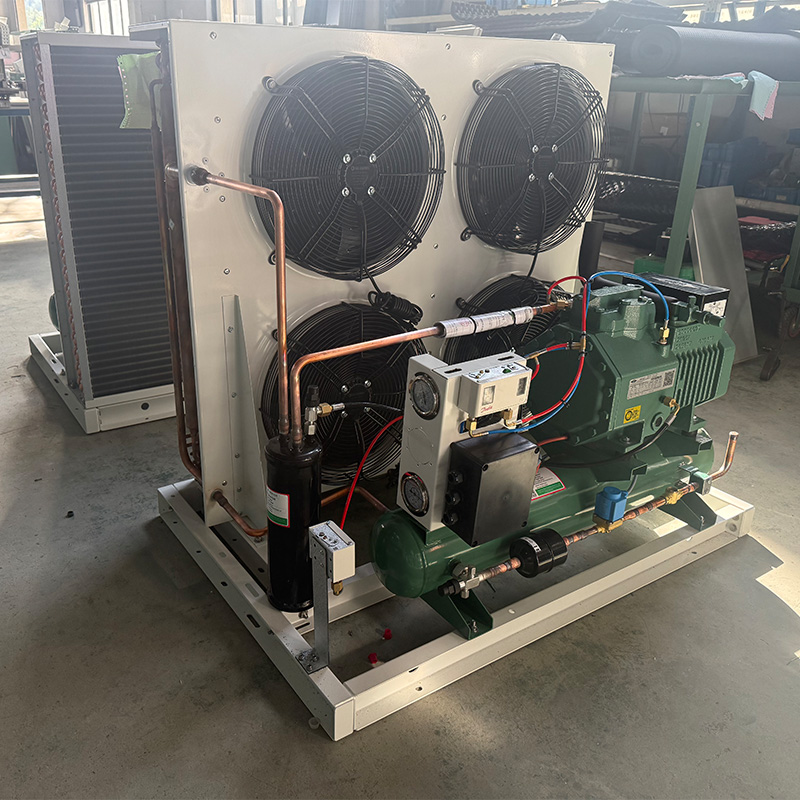
Understanding the technical specifications of 5HP cold room condensing units is essential for making an informed purchase. Key specifications include:
Cooling Capacity: Measured in BTUs (British Thermal Units) or kilowatts, it indicates the unit's ability to remove heat from the cold room. Ensure the cooling capacity matches your needs to avoid overworking the unit or insufficient cooling.
Compressor Type: Different compressor types (scroll, reciprocating, or rotary) affect efficiency and noise levels. Choose a type that aligns with your operational requirements.
Refrigerant Type: Common refrigerants include R-404A and R-134A. The choice of refrigerant can affect efficiency and environmental impact. Ensure compliance with local regulations regarding refrigerant use.
Voltage and Phase: Verify that the unit's electrical requirements match your facility's power supply specifications to avoid compatibility issues during installation.
Dimensions and Weight: Consider the physical space available for installation. Ensure the unit can fit within the designated area and that it allows for proper airflow and maintenance access.
By scrutinizing these specifications, you can ensure that the selected condensing unit meets both your operational needs and compliance requirements.
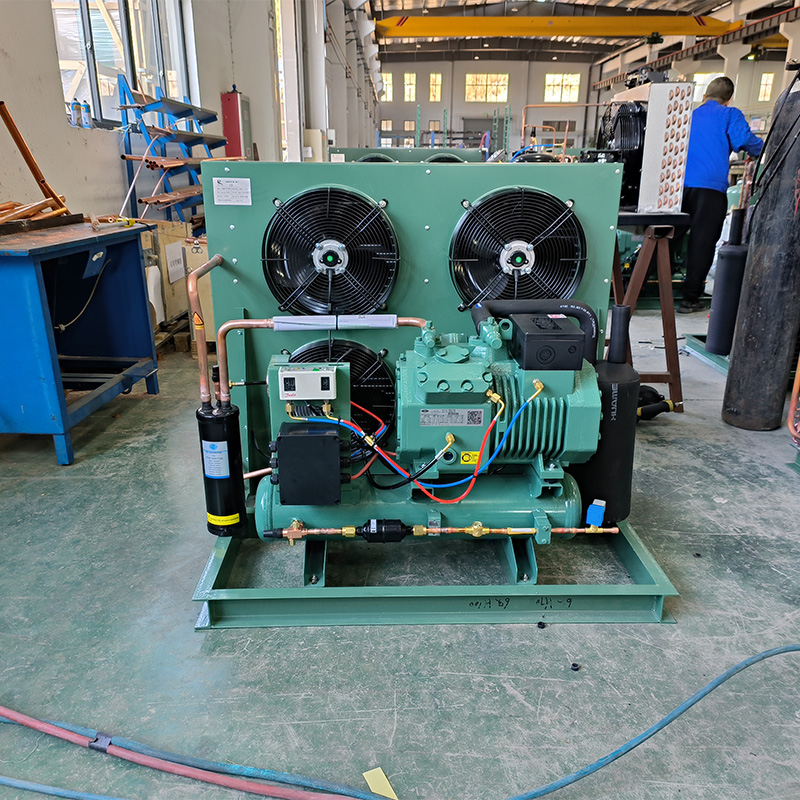
Proper installation is crucial for the effective operation of a 5HP cold room condensing unit. Here are essential steps to follow:
Site Preparation: Before installation, ensure that the site meets the manufacturer's requirements, including adequate ventilation, a stable foundation, and accessibility for maintenance.
Electrical Connections: Engage a qualified electrician to handle electrical connections. Confirm that the power supply matches the unit's specifications to prevent electrical failures.
Refrigerant Piping: The refrigerant lines must be correctly sized and insulated to minimize energy loss. Ensure that the piping runs are as short as possible to enhance efficiency.
Testing and Commissioning: After installation, conduct a thorough inspection and testing phase. Check for refrigerant leaks, ensure the electrical components function correctly, and confirm that the unit operates within the specified parameters.
Documentation: Keep a record of the installation process, including any adjustments made and the results of performance tests. This documentation can be helpful for future maintenance and troubleshooting.
Following these guidelines can help avoid common installation pitfalls, ensuring your unit operates efficiently right from the start.
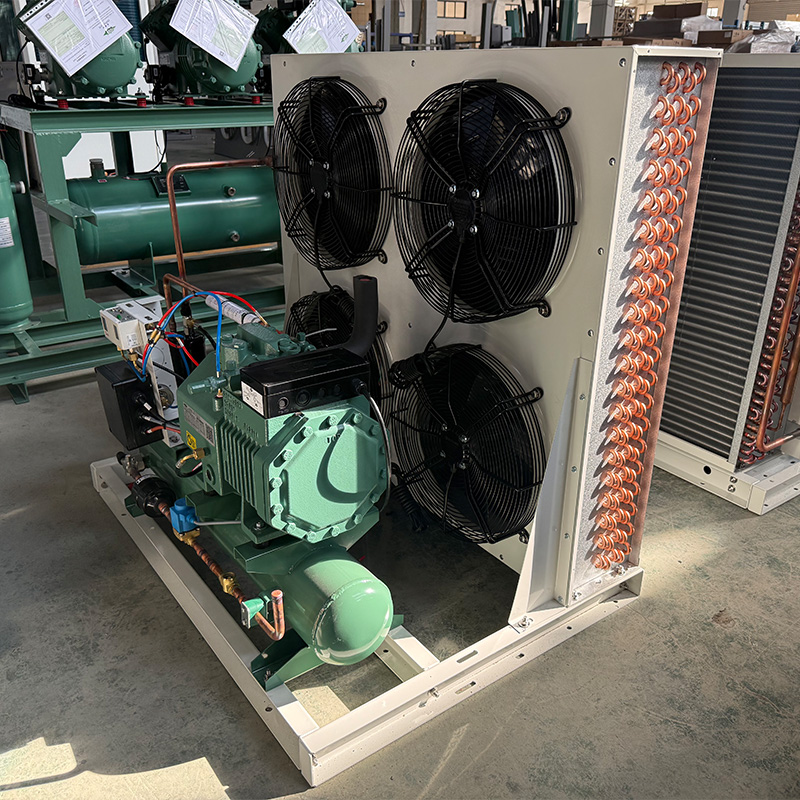
The cost of a 5HP cold room condensing unit can vary widely based on several factors:
Unit Specifications: Higher quality materials, advanced features, and better energy efficiency typically lead to a higher upfront cost. However, investing in a more efficient unit can result in long-term savings on energy bills.
Customization: If you require customized features or specifications, this may increase the unit's cost. Discuss your specific needs with the manufacturer to understand any additional charges.
Installation Costs: Consider the costs associated with professional installation, including labor and any necessary modifications to your facility. Proper installation is essential for optimal performance and longevity.
Maintenance and Operating Costs: Factor in ongoing maintenance costs, including routine inspections and potential repairs. Units that are easier to maintain may have higher upfront costs but lower overall lifetime expenses.
Understanding these cost factors can help you budget effectively and evaluate the total cost of ownership over the unit's lifespan.
A modern factory of over 40000 square meters is in place to satisfy the majority of Condensing units requirements.
With a great reputation in the business and over 3,000+ clients that they have served, EMTH EMTH is a trustworthy established supplier that is praised by its clients.
After more than 20 years of expertise, we've got full sales and production and after-sales process with more than 20 patent certificates and a skilled R&D EMTH team.
Special docking is offered for a complete service. This includes the design of Coldrooms, production installation, landing projects, and after-sales support.

Welcome to EMTH, a cold storage refrigeration equipment specialist in China! We offer innovative and effective cold storage solutions, including cold storage, evaporator, condensing unit and ice machine.
Room 304-305B, Building 5, BESHINE B.P, No. 559Zhuyuan Road, Minhang District 201112, Shanghai, China
Copyright © Shanghai EMTH Import & Export Co., Ltd. All Rights Reserved. - Privacy Policy
 EN
 AR
 BG
 HR
 CS
 DA
 NL
 FI
 FR
 DE
 EL
 IT
 JA
 KO
 NO
 PL
 PT
 RO
 RU
 ES
 TL
 IW
 ID
 LT
 SR
 VI
 HU
 TH
 MS
 AZ
 JW
 LO
 MN
 SO
 MY
 KK
 TG
 UZ
 GD
 XH