When it comes to refrigeration systems, the outdoor condenser is a crucial component that plays a pivotal role in heat exchange and system efficiency. This article will delve into the key considerations for selecting the right outdoor condenser for your industrial needs, evaluating manufacturers, understanding what buyers need, the cost factors to consider, and the various applications of outdoor condensers across industries. By the end of this article, you'll be equipped with practical insights to make informed purchasing decisions that align with your operational requirements.
Selecting the ideal outdoor condenser is vital for ensuring optimal performance in refrigeration systems. Key factors to consider include the condenser type, size, and efficiency ratings. For instance, air-cooled condensers are suitable for areas with ample airflow and are often favored for their lower installation costs. In contrast, water-cooled condensers can be more efficient in high-capacity systems but may require additional infrastructure, such as cooling towers.
Additionally, the condenser's capacity must match your cooling requirements. This is typically measured in BTUs (British Thermal Units) per hour. An undersized condenser may lead to inadequate cooling, while an oversized unit can result in energy inefficiencies and increased operational costs. It’s advisable to consult with an experienced manufacturer to determine the right specifications based on the specifics of your application, including ambient temperature conditions and the thermal load of your system.
Material selection is also critical. Many outdoor condensers are made from corrosion-resistant materials like galvanized steel or aluminum, which are essential for durability in harsh outdoor environments. The choice of materials can affect not only the condenser's lifespan but also its maintenance needs and overall performance, including the need for specific refrigeration accessories that can enhance efficiency.
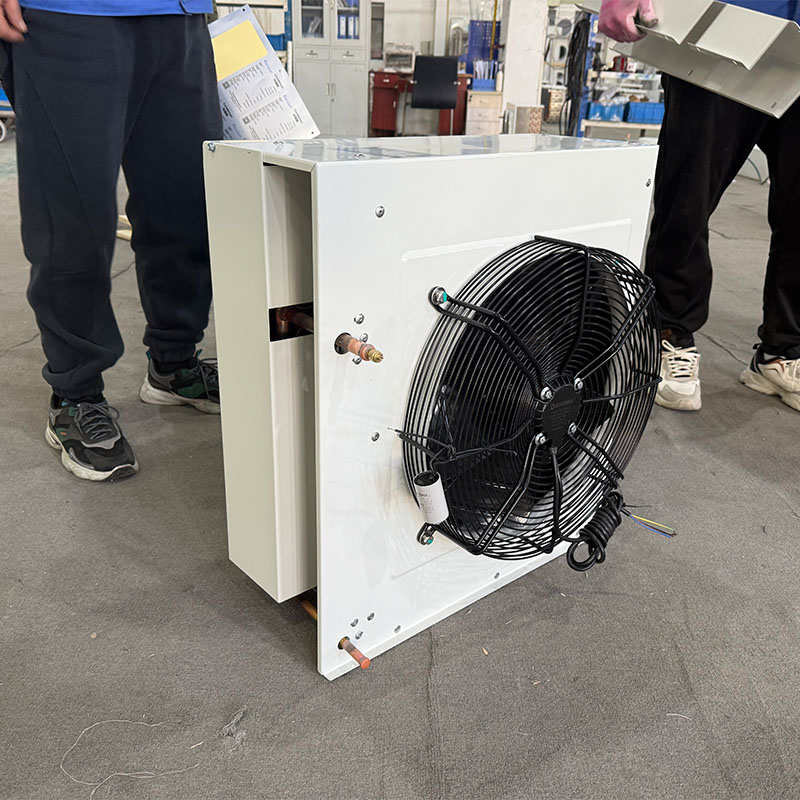
When assessing potential manufacturers for outdoor condensers, consider their experience, production capabilities, and quality assurance processes. Companies with a proven track record, such as Shanghai EMTH, leverage over 20 years of manufacturing expertise and a robust R&D infrastructure to ensure high-quality products. It’s beneficial to review their certifications, patents, and compliance with industry standards, as these indicators often reflect the reliability and performance of their products.
Additionally, inquire about the manufacturer’s production capacity and lead times. Understanding their ability to meet your volume requirements, especially for customized solutions, is essential for ensuring timely deliveries. A reputable manufacturer should also offer transparency regarding their quality control processes, including how they inspect and test their products to ensure they meet specified standards.
Finally, consider the manufacturer’s customer service and support offerings. Efficient communication and responsiveness will be crucial during the procurement process, especially if you have specific requirements or need assistance with installation and maintenance.
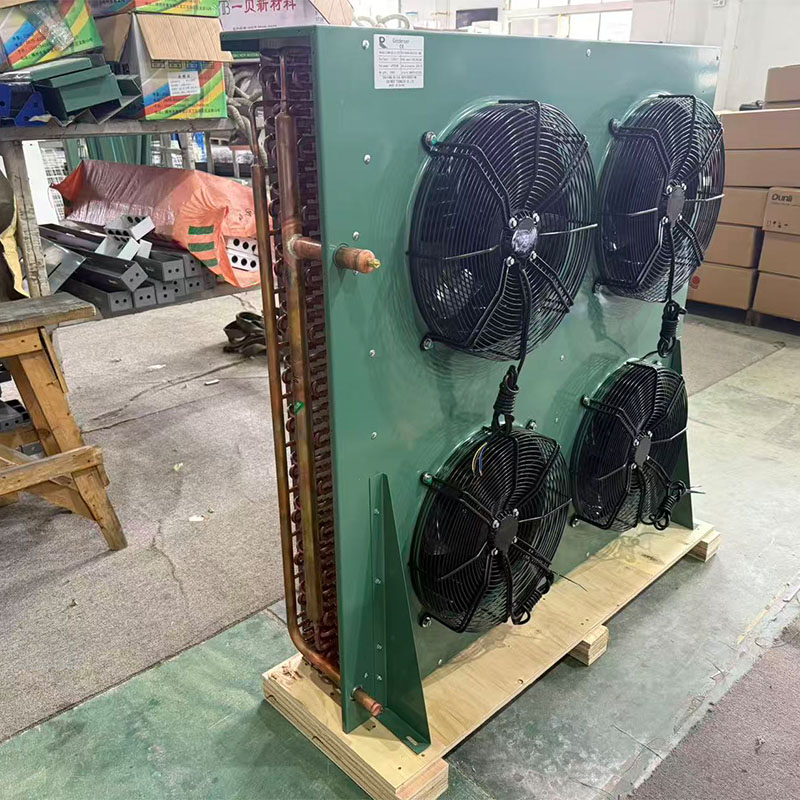
For a successful purchasing experience, buyers should prepare specific information before contacting manufacturers for quotes. Essential details include the type of outdoor condenser required, desired specifications (e.g., capacity, dimensions, and material), and the intended application. Additionally, it’s helpful to provide expected lead times and volume requirements to facilitate accurate quotations.
Before finalizing any order, buyers should also request samples to evaluate performance under real operating conditions. This can help identify potential issues related to compatibility with existing systems or specific environmental conditions. Furthermore, understanding the warranty terms and after-sales support can provide peace of mind regarding your investment.
Buyers should also consider the total cost of ownership, which includes not only the initial purchase price but also installation, maintenance, and energy consumption over time. A comprehensive assessment of these factors will lead to a more informed purchasing decision.
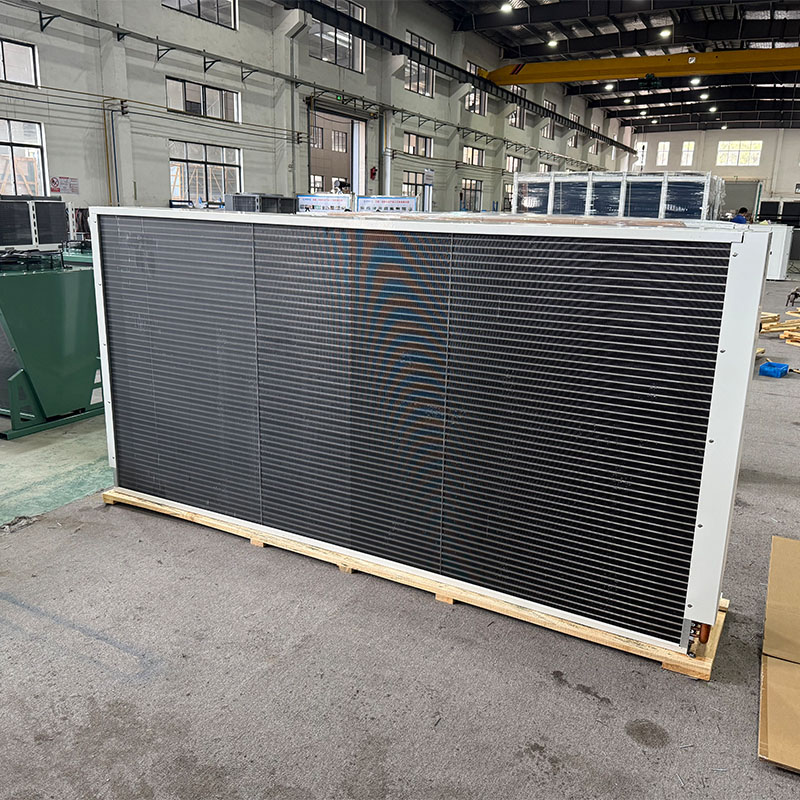
The cost of outdoor condensers can vary significantly based on several factors. First, the type and specifications of the condenser will influence the price. Higher efficiency models or those made from premium materials will generally come with a higher price tag. Customization options, such as specific dimensions or features tailored to unique applications, can also add to the cost.
Additionally, installation costs should be factored into the overall budget. Depending on the complexity of the installation and any additional infrastructure required, these costs can vary. It’s advisable to obtain multiple quotes from different suppliers and contractors to ensure competitive pricing.
Shipping and handling fees should also be considered, especially if the condenser needs to be transported over long distances or requires special handling due to its size or weight. Finally, buyers should be aware of potential import duties or taxes if sourcing from international manufacturers, as these can impact the total cost.
EMTH has a long-standing track record of success in the industry with more than 3,000 satisfied customers.
Special docking is available for a complete system of service. It includes creation of plans, Ice cube machine, landing plans, and after-sales support.
A modern factory of over 40000 square meters is in place to satisfy the majority of Condensing units requirements.
With more than 20 years of knowledge, we've developed a a complete production and sales and after-sales system with more than 20 patent certificates and a highly skilled R&D EMTH team.

Welcome to EMTH, a cold storage refrigeration equipment specialist in China! We offer innovative and effective cold storage solutions, including cold storage, evaporator, condensing unit and ice machine.
Room 304-305B, Building 5, BESHINE B.P, No. 559Zhuyuan Road, Minhang District 201112, Shanghai, China
Copyright © Shanghai EMTH Import & Export Co., Ltd. All Rights Reserved. - Privacy Policy
 EN
 AR
 BG
 HR
 CS
 DA
 NL
 FI
 FR
 DE
 EL
 IT
 JA
 KO
 NO
 PL
 PT
 RO
 RU
 ES
 TL
 IW
 ID
 LT
 SR
 VI
 HU
 TH
 MS
 AZ
 JW
 LO
 MN
 SO
 MY
 KK
 TG
 UZ
 GD
 XH