Open type condensing units are essential components in refrigeration systems, providing efficient cooling for various commercial applications. As a B2B buyer, you may have concerns regarding the technical specifications, cost factors, installation requirements, quality control measures, and applications of these units. This article aims to equip you with the necessary insights to make informed purchasing decisions regarding open type condensing units.
When evaluating open type condensing units, several key specifications should be considered to ensure optimal performance and suitability for your application.
Cooling Capacity: Measured in horsepower (HP) or kilowatts (kW), this specification indicates the unit's ability to remove heat. It’s essential to select a unit that matches the cooling needs of your specific application to avoid inefficiencies.
Refrigerant Type: The choice of refrigerant (e.g., R-410A, R-404A) affects not only cooling efficiency but also environmental compliance. Ensure that the refrigerant meets the latest environmental regulations and is compatible with your existing system.
Compressor Type: Open type condensing units typically use reciprocating or scroll compressors. Each type has its advantages in terms of efficiency, noise level, and maintenance requirements. Understanding these differences can help you make an informed choice based on your operational needs. For example, compressors for refrigeration tools can enhance the performance of these units.
Operating Conditions: Consider the temperature and humidity levels in which the unit will operate. This includes assessing the ambient temperature range and the expected load conditions, as these factors can impact the unit's performance and longevity.
Dimensions and Weight: Ensure that the unit fits your installation space and can be easily transported and installed. Compact designs may be beneficial for limited spaces, while larger units might offer enhanced performance.
Understanding these specifications will help you identify the right open type condensing unit that aligns with your operational requirements and business goals.
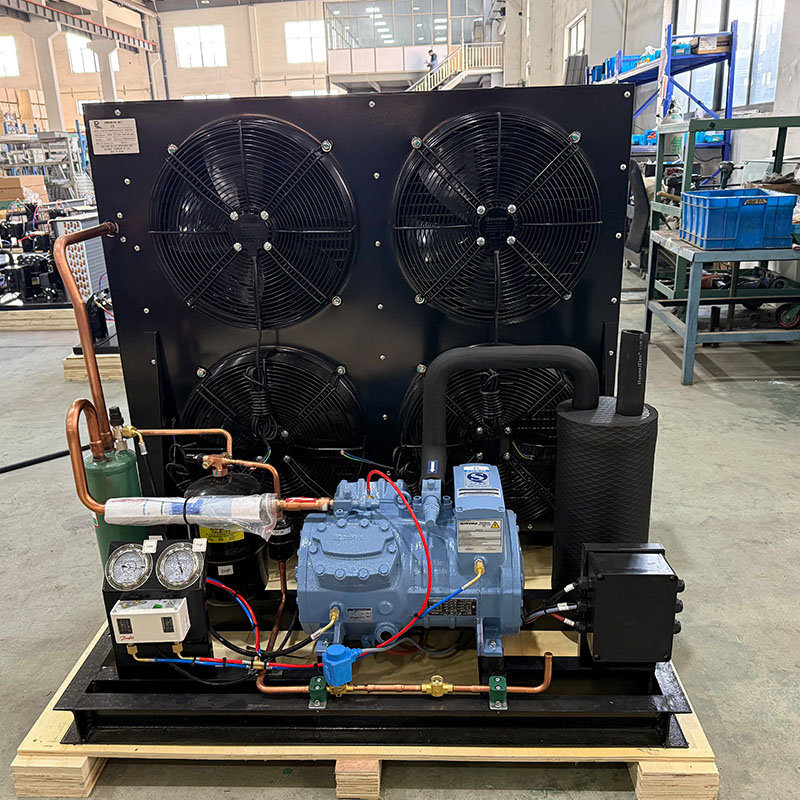
When purchasing open type condensing units in bulk, several cost factors come into play that can significantly impact your total expenditure.
Unit Price: The base price per unit can vary based on specifications, brand reputation, and manufacturing processes. When evaluating quotes, compare prices for similar specifications to ensure you are getting a competitive rate.
Quantity Discounts: Many manufacturers offer tiered pricing based on order volume. Purchasing larger quantities can lead to substantial savings, so be sure to discuss volume pricing with potential suppliers.
Shipping Costs: Freight charges can add to your total cost, especially for bulk orders. Consider the delivery destination, shipping method, and any associated tariffs or duties, especially if importing.
Lead Time: Shorter lead times may come at a premium. If your project timeline is flexible, you might choose to prioritize cost over speed, which can lead to better pricing options.
Installation and Support Services: Some suppliers offer installation and ongoing support as part of the purchase. While this may increase the initial cost, it can save you from potential future expenses associated with improper installation or maintenance. Additionally, ensure to look into the electric box for cold room temperature control for improved efficiency.
By understanding these cost factors, you can make more strategic purchasing decisions that align with your budget and project timelines.
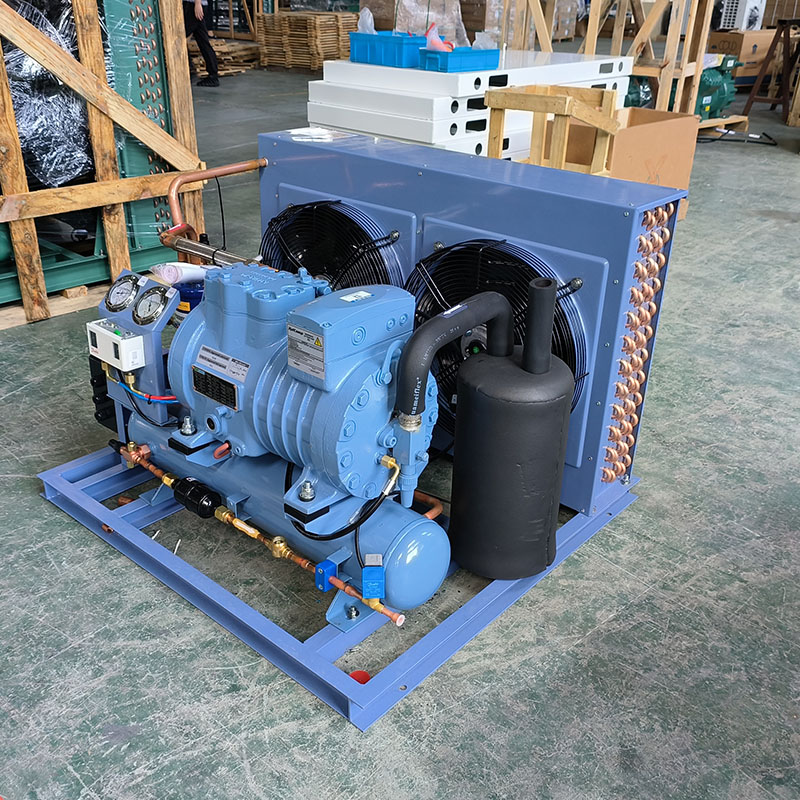
Proper installation of open type condensing units is critical to ensure optimal performance and longevity. Here are key considerations:
Site Preparation: Ensure that the installation site is adequately prepared. This includes a stable foundation, necessary electrical connections, and proper drainage systems for condensation.
Clearance Space: Follow the manufacturer’s guidelines regarding clearance space around the unit. Proper airflow is essential for efficient operation, so make sure there is ample space for ventilation and maintenance access.
Electrical Connections: Use qualified personnel for electrical connections to comply with local codes and ensure safety. Check voltage and amperage requirements to avoid damage to the unit.
Refrigerant Piping: Ensure that the refrigerant piping is correctly insulated and leak-free. Poorly installed piping can lead to inefficiencies and increased operational costs.
Testing and Commissioning: After installation, conduct thorough testing to ensure that the unit operates within specified parameters. This step may include checking refrigerant levels, pressure testing, and verifying temperature outputs.
Following these installation guidelines will help ensure that your open type condensing unit operates efficiently and effectively in your commercial setting.
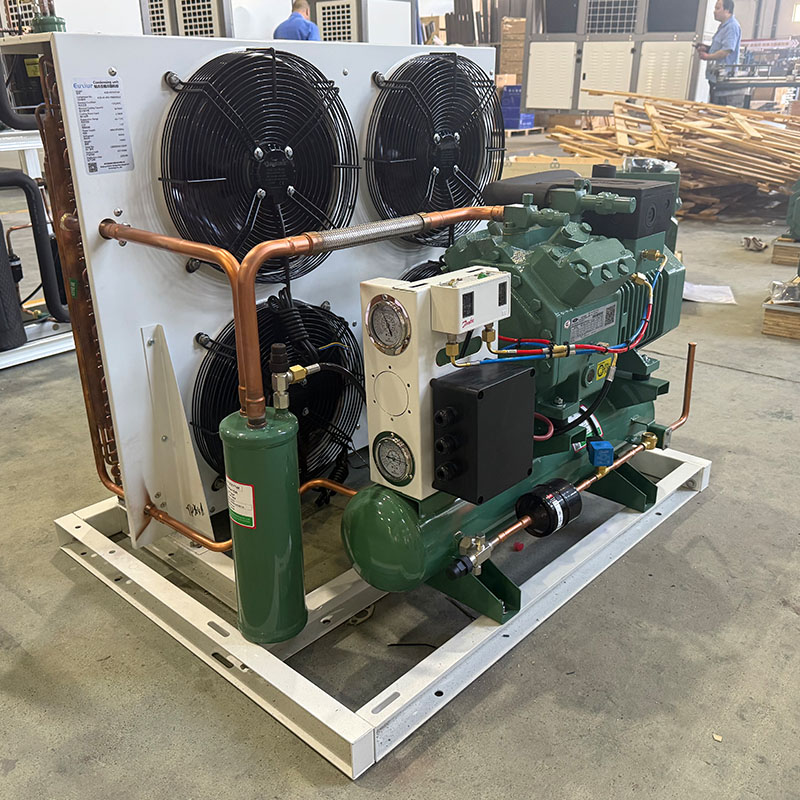
Quality control is crucial in the manufacturing of open type condensing units to guarantee reliability and performance. Here are some measures to consider:
Material Selection: High-quality materials, such as corrosion-resistant metals and effective insulation, are essential for durability. Confirm that the manufacturer uses materials that meet industry standards and are appropriate for the intended application.
Production Processes: Established manufacturers typically follow stringent production processes that include regular inspections and testing at various stages of manufacturing. Look for companies with certifications that indicate adherence to quality management systems, such as ISO 9001.
Functional Testing: Before final assembly, components should undergo functional testing to ensure they meet performance specifications. This includes pressure tests, leak tests, and operational checks on compressors and electrical systems.
Final Inspection: A comprehensive final inspection should verify the unit's overall quality, including checks on dimensions, finish, and documentation. This step is vital for ensuring that the unit meets all specified requirements before delivery.
Post-Sale Support: Reliable manufacturers provide ongoing support, including warranty services and troubleshooting assistance. This support can be a crucial indicator of a manufacturer’s commitment to quality.
By prioritizing quality control measures, you can ensure that the open type condensing units you purchase meet the necessary standards for performance and reliability.
With a great reputation in the business and over 3,000+ clients that they have served, EMTH EMTH is a trustworthy established supplier that is praised by its clients.
With more than 20 years of knowledge, we've developed a a complete production and sales and after-sales process with more than 20 patent certificates and a skilled R&D EMTH team.
Special docking is available for a complete system of service. It includes creation of plans, Axial fans, landing plans, and after-sales support.
A modern plant of over 40000 square meters is in place to meet the majority Ice maker for under counter demands for production.

Welcome to EMTH, a cold storage refrigeration equipment specialist in China! We offer innovative and effective cold storage solutions, including cold storage, evaporator, condensing unit and ice machine.
Room 304-305B, Building 5, BESHINE B.P, No. 559Zhuyuan Road, Minhang District 201112, Shanghai, China
Copyright © Shanghai EMTH Import & Export Co., Ltd. All Rights Reserved. - Privacy Policy
 EN
 AR
 BG
 HR
 CS
 DA
 NL
 FI
 FR
 DE
 EL
 IT
 JA
 KO
 NO
 PL
 PT
 RO
 RU
 ES
 TL
 IW
 ID
 LT
 SR
 VI
 HU
 TH
 MS
 AZ
 JW
 LO
 MN
 SO
 MY
 KK
 TG
 UZ
 GD
 XH