A condensing unit for a walk-in cooler is a critical component of any commercial refrigeration system, responsible for removing heat from the refrigerant in order to maintain optimal temperatures. As purchasing managers, distributors, and engineers consider their options, they often seek to ensure reliability, efficiency, and compatibility with their specific applications. This article aims to guide you through the essential aspects of selecting a condensing unit for your walk-in cooler, covering specifications, sourcing suppliers, cost considerations, and common issues.
Selecting the appropriate condensing unit involves understanding your specific cooling requirements. Factors such as the size of the walk-in cooler, the type of products being stored, and the ambient temperature conditions play significant roles.
For instance, a unit designed for high ambient temperatures may require a more powerful compressor compared to one intended for cooler environments. Additionally, consider the cooling capacity, typically measured in BTUs, which should align with your cooler's dimensions and product load. You should also evaluate energy efficiency ratings, as higher efficiency can lead to cost savings over the unit's lifespan.
Customization options are also crucial. Many manufacturers, like Shanghai EMTH, offer tailored solutions that can meet unique specifications, ensuring the unit is perfectly suited for your operational needs. Don’t forget to verify the compatibility of the condensing unit with your existing refrigeration systems, as integration issues can lead to performance inefficiencies.
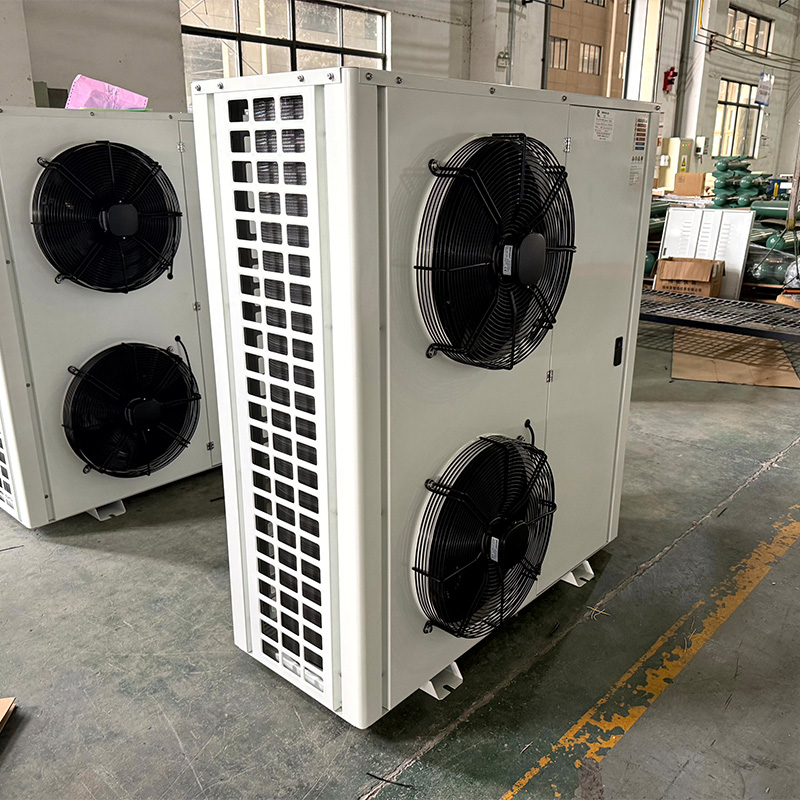
Identifying reliable suppliers for condensing units is essential for ensuring quality and support. Start by compiling a list of manufacturers with a proven track record in the refrigeration industry. Look for companies that have extensive experience and a comprehensive range of products. Suppliers with established reputations, such as Shanghai EMTH, often provide insights into their manufacturing processes, quality control measures, and customer service capabilities.
Engaging in industry trade shows and networking events can also help you discover potential suppliers. These venues offer opportunities to discuss product specifications in person and assess the credibility of manufacturers directly. Additionally, consider online platforms and industry forums for reviews and testimonials from other buyers, which can provide valuable insights into supplier reliability.
Before finalizing a supplier, verify their certifications and compliance with industry standards. This can include ISO certifications or adherence to local regulations, which are indicators of a supplier’s commitment to quality and safety.
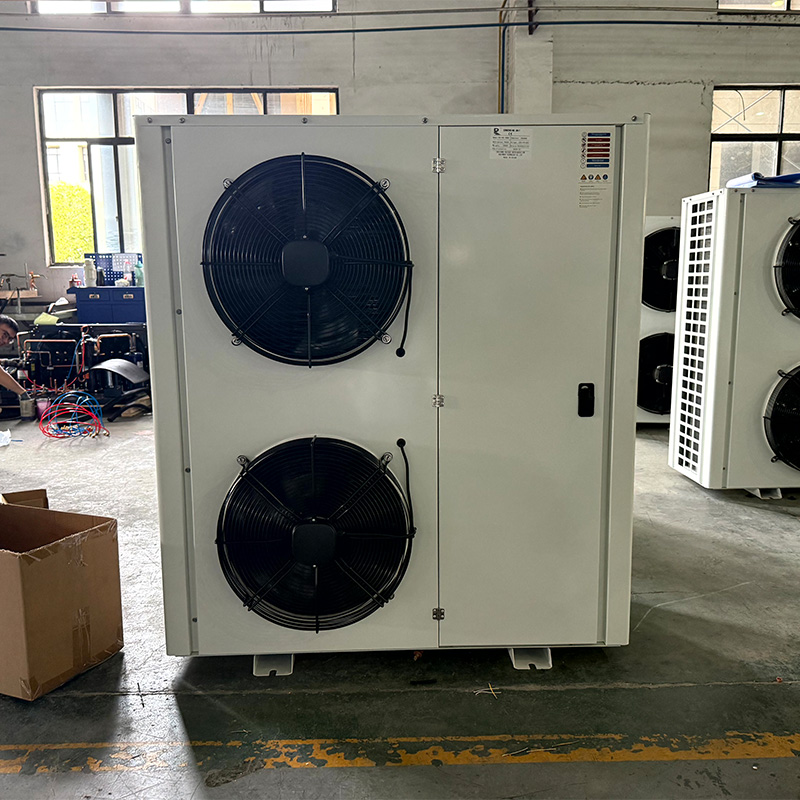
When evaluating condensing units, several key specifications must be understood. Firstly, the cooling capacity is paramount; it should match the thermal load required for your walk-in cooler. This is typically calculated based on the volume of the cooler and the products stored within.
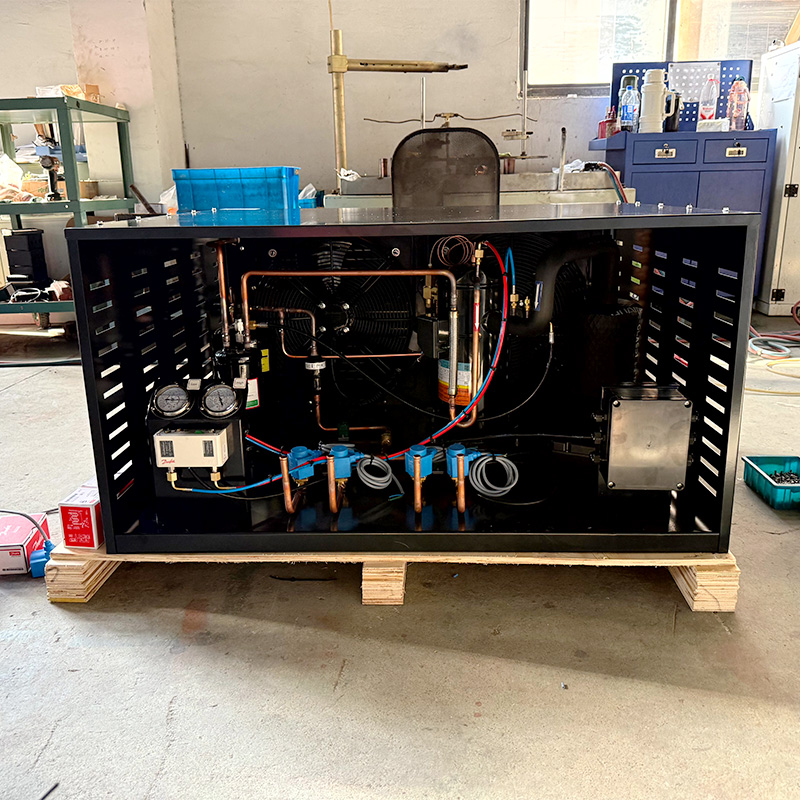
Next, consider the evaporator and compressor type—options include reciprocating, scroll, or rotary compressors. Each has its advantages; for example, scroll compressors are often more efficient and quieter, making them suitable for commercial applications.
Refrigerant type is another important specification. Common refrigerants include R-404A and R-410A, each with different environmental impacts and efficiency ratings. Ensure you choose a condensing unit that uses a refrigerant compliant with local regulations and is compatible with your existing system.
Lastly, take note of the dimensions and weight of the unit, as these will affect installation logistics. Ensuring that the unit fits your designated space without compromising airflow is crucial for optimal performance.
Several factors influence the cost of condensing units for walk-in coolers, including the initial purchase price, installation costs, and ongoing operational expenses. Initial costs can vary significantly based on the unit's specifications and features. Higher efficiency models may have a more substantial upfront cost but can lead to lower energy bills over time, making them a wise long-term investment.
Installation costs should also be factored in. Depending on the complexity of the installation, you may need to hire specialized technicians. This is particularly important when retrofitting a new unit into an existing system to ensure compatibility and performance.
Operational costs are another critical consideration. This includes energy consumption, which can vary widely between units. Look for energy efficiency ratings, such as EER (Energy Efficiency Ratio) or SEER (Seasonal Energy Efficiency Ratio), as these will help you estimate long-term savings.
Additionally, consider warranty and maintenance costs. A unit with a longer warranty may be indicative of higher quality, but it’s essential to understand what is covered and for how long.
EMTH EMTH has a solid track record in the field, with over 3,000+ happy customers.
With more than 20 years of knowledge, we've developed a a complete production and sales and after-sales process with more than 20 patent certificates and a skilled R&D EMTH team.
A modern plant of over 4000 square meters is in operation to meet the majority Ice maker for commercial production requirements.
Complete service program, from formulating of plans to the production and Ice maker for under counter, to after-sales service, there are specific docking.

Welcome to EMTH, a cold storage refrigeration equipment specialist in China! We offer innovative and effective cold storage solutions, including cold storage, evaporator, condensing unit and ice machine.
Room 304-305B, Building 5, BESHINE B.P, No. 559Zhuyuan Road, Minhang District 201112, Shanghai, China
Copyright © Shanghai EMTH Import & Export Co., Ltd. All Rights Reserved. - Privacy Policy
 EN
 AR
 BG
 HR
 CS
 DA
 NL
 FI
 FR
 DE
 EL
 IT
 JA
 KO
 NO
 PL
 PT
 RO
 RU
 ES
 TL
 IW
 ID
 LT
 SR
 VI
 HU
 TH
 MS
 AZ
 JW
 LO
 MN
 SO
 MY
 KK
 TG
 UZ
 GD
 XH