A chiller condenser is a crucial component in refrigeration systems, responsible for dissipating heat extracted from the refrigerant. For B2B buyers, understanding the specifications and selecting the right condenser for specific applications can significantly impact the efficiency and effectiveness of their cooling systems. This article will address the key specifications, selection criteria, quality factors, installation guidance, and common issues related to chiller condensers, helping buyers make informed decisions.
Chiller condensers come with various specifications that directly influence their performance in different applications. Key specifications include:
Capacity: Measured in tons or kilowatts, capacity indicates the amount of heat the condenser can remove from the refrigerant. Buyers must assess their cooling requirements to select a condenser with adequate capacity.
Material: Common materials include copper and aluminum, each offering distinct thermal conductivity and corrosion resistance properties. The choice of material should align with the operational environment and the refrigerant type used.
Dimensions: The size and layout of the condenser must fit the installation space. Accurate dimensions ensure proper airflow and heat exchange, which are vital for efficient operation.
Pressure Ratings: Condensers are rated for specific pressure levels. Understanding these ratings helps prevent operational failures, as exceeding the limits can lead to leaks or catastrophic failures.
Type: Condensers can be air-cooled, water-cooled, or evaporative. Each type has unique advantages depending on the cooling requirements, available resources, and environmental conditions. For more information on different types of condensers, check our page on Condenser.
Understanding these specifications allows buyers to effectively match a chiller condenser to their specific project requirements.
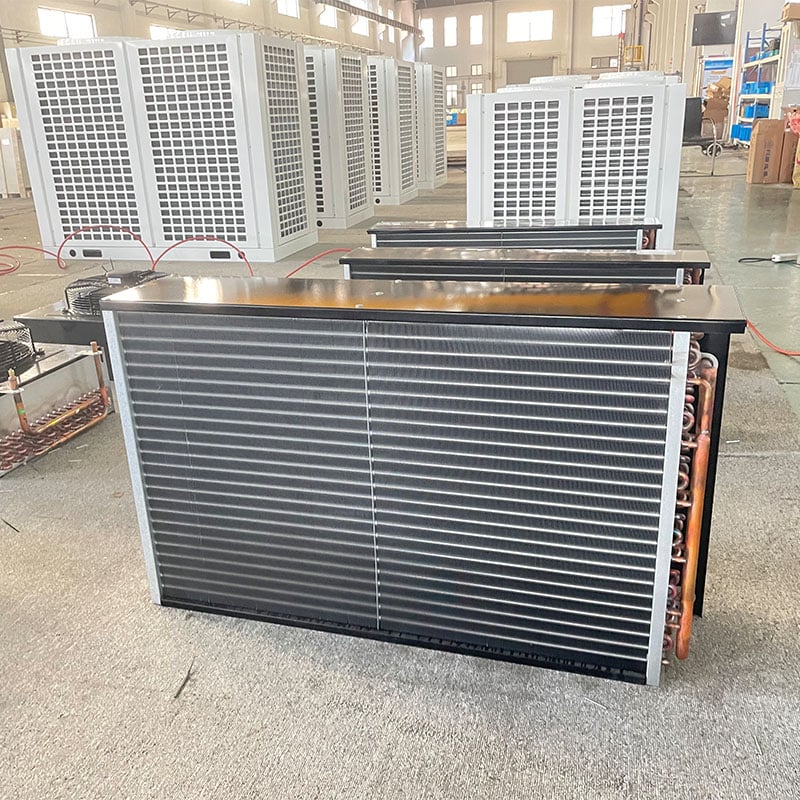
Selecting the right chiller condenser involves evaluating several factors:
Application Requirements: Determine the specific cooling needs of your operation. Different industries, such as food processing, pharmaceuticals, or HVAC, may have unique demands that dictate condenser type and specifications.
Operating Environment: Consider factors such as ambient temperature, humidity, and space constraints. For example, air-cooled condensers may be more suitable for areas with limited water supply, while water-cooled units can offer higher efficiency in humid climates. For efficient solutions, consider our Air Curtain options.
Energy Efficiency: Look for condensers with high efficiency ratings. Energy-efficient models not only reduce operational costs but also contribute to sustainability goals.
Customization Options: Evaluate whether the manufacturer offers customization for specific needs, such as unique dimensions or materials. Custom solutions can enhance compatibility with existing systems.
Cost Considerations: Balance initial investment against long-term operational costs. Sometimes, a higher upfront cost may lead to significant savings in energy and maintenance over time.
By carefully assessing these factors, buyers can ensure they select a condenser that meets their operational demands and budget.
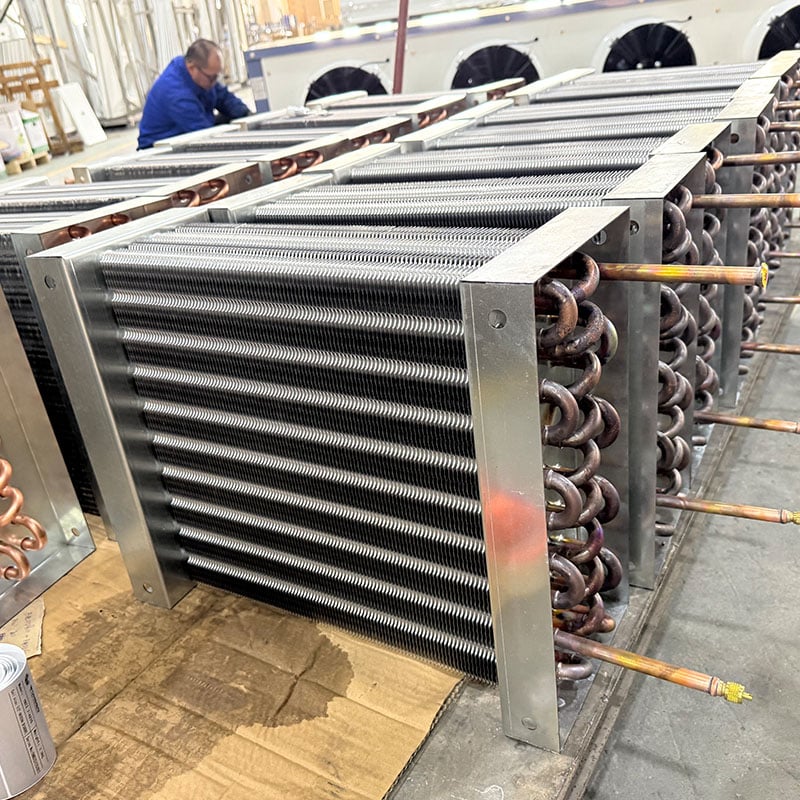
Quality plays a critical role in the performance and longevity of chiller condensers. Important quality factors include:
Manufacturing Standards: Verify that the condenser is produced according to industry standards and certifications. This ensures reliability and safety in operation.
Material Integrity: Assess the quality of materials used. High-grade materials resist corrosion and wear, extending the life of the condenser.
Quality Control Processes: Inquire about the manufacturer’s quality assurance practices. Rigorous testing and inspection protocols help identify defects before the product reaches the market.
Warranty and Support: A strong warranty indicates the manufacturer’s confidence in their product. Additionally, reliable customer support can be invaluable for troubleshooting and maintenance.
Reviews and References: Seek feedback from other users and industry references. First-hand experiences can provide insights into the condenser’s performance and reliability.
By focusing on these quality factors, buyers can mitigate risks associated with poor product performance and ensure a more reliable cooling solution.
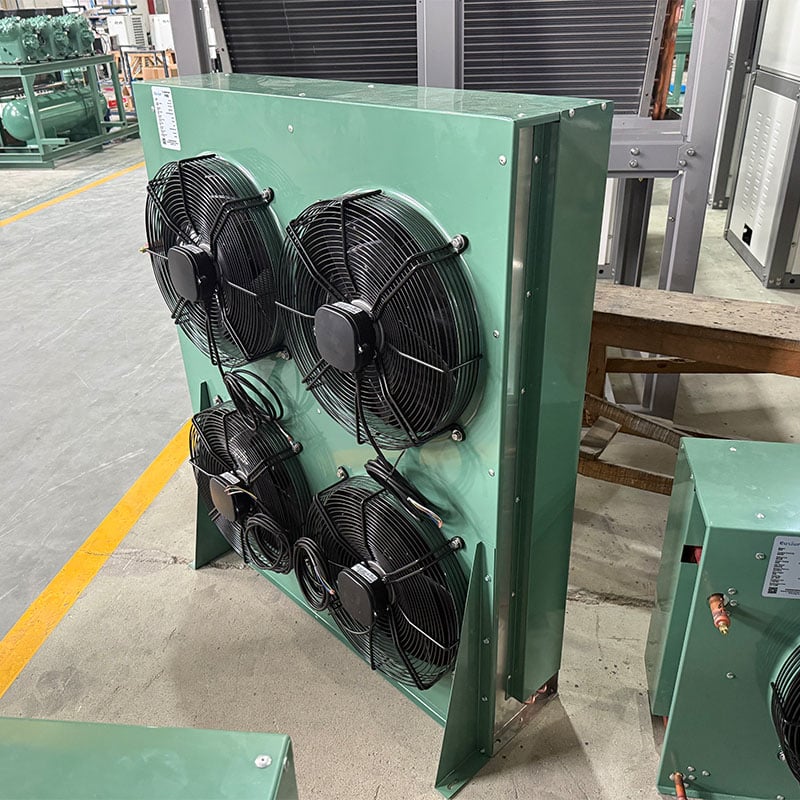
Proper installation of chiller condensers is essential for optimal performance. Here are some key installation tips:
Site Preparation: Ensure that the installation site is clean and free of obstructions. Adequate space for airflow and service access is crucial.
Alignment and Support: Verify that the condenser is level and securely mounted. Misalignment can lead to vibrations and reduced efficiency.
Connection Verification: Check all refrigerant and water connections for leaks. Proper sealing ensures efficient operation and prevents refrigerant loss.
Electrical Connections: Ensure that electrical wiring meets local codes and manufacturer specifications. Inadequate electrical supply can lead to operational issues.
Testing Post-Installation: After installation, conduct thorough testing to confirm that the system operates within the specified parameters. Monitor for unusual noises, vibrations, or temperature fluctuations.
Following this guidance can help prevent common installation problems and ensure the condenser operates efficiently from the start.
Special docking is available for a complete system of service. It includes creation of plans, Axial fans, landing plans, and after-sales support.
A modern plant of over 4000 square meters is in operation to meet the majority Refrigeration condenser production requirements.
More than 20 years of' experience and an experienced EMTH R&D staff.
With a great reputation in the business and over 3,000+ clients that they have served, EMTH EMTH is a trustworthy established supplier that is praised by its clients.

Welcome to EMTH, a cold storage refrigeration equipment specialist in China! We offer innovative and effective cold storage solutions, including cold storage, evaporator, condensing unit and ice machine.
Room 304-305B, Building 5, BESHINE B.P, No. 559Zhuyuan Road, Minhang District 201112, Shanghai, China
Copyright © Shanghai EMTH Import & Export Co., Ltd. All Rights Reserved. - Privacy Policy
 EN
 AR
 BG
 HR
 CS
 DA
 NL
 FI
 FR
 DE
 EL
 IT
 JA
 KO
 NO
 PL
 PT
 RO
 RU
 ES
 TL
 IW
 ID
 LT
 SR
 VI
 HU
 TH
 MS
 AZ
 JW
 LO
 MN
 SO
 MY
 KK
 TG
 UZ
 GD
 XH