Choosing the right condenser coil is critical for ensuring the efficiency and reliability of refrigeration systems. As a core component, condenser coils play a pivotal role in heat exchange processes, affecting overall performance and energy consumption. For B2B buyers such as purchasing managers and engineers, understanding the specifications, sourcing options, and installation guidance for condenser coils is essential. This article offers insights that will help you make informed decisions, ensuring that you select the most suitable condenser coil for your specific project needs.
Selecting the appropriate condenser coil involves several key considerations. First, you need to determine the required cooling capacity based on your application. This is often measured in BTUs (British Thermal Units) or kW (kilowatts). A coil that’s inadequately sized may lead to inefficient cooling, increased energy costs, and shorter equipment life.
Next, consider the material of the coil. Most condenser coils are made from copper or aluminum. Copper coils offer superior thermal conductivity and corrosion resistance, which can be crucial for systems operating in harsh environments. Aluminum, while less conductive, tends to be lighter and more cost-effective, making it suitable for specific applications where weight is a concern.
Finally, evaluate the design of the coil. Options such as fin spacing, tube diameter, and overall dimensions should align with your system’s operational requirements. Custom designs may also be available to meet unique specifications, allowing for better integration into existing systems. For instance, you might explore options like YH Type Condenser for specific applications.
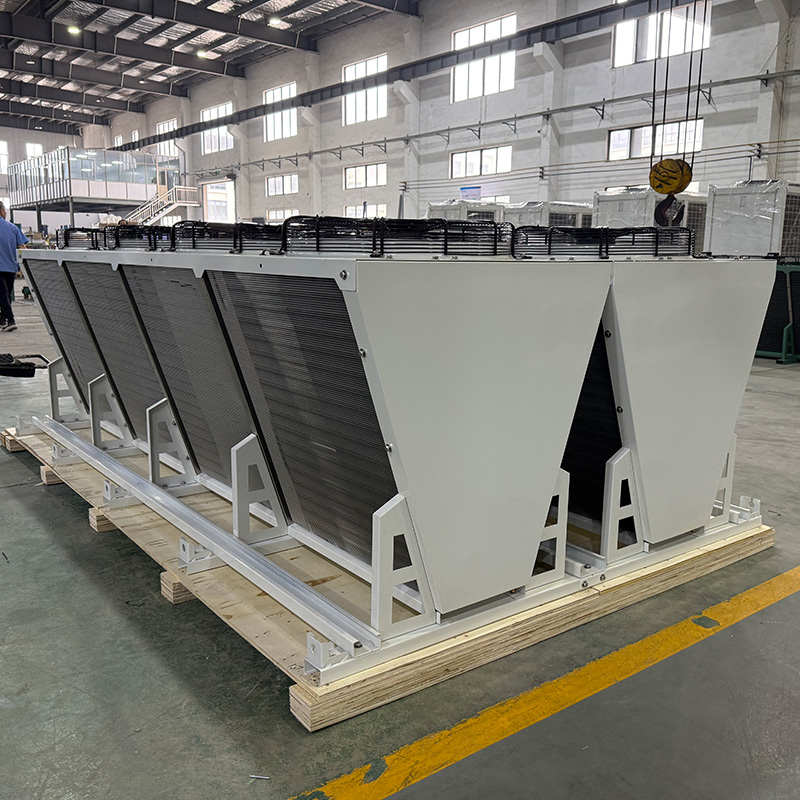
When sourcing condenser coils in bulk, it is advisable to work with reputable manufacturers who have proven experience in the industry. Companies like Shanghai EMTH leverage over 20 years of experience in manufacturing refrigeration equipment, ensuring that buyers receive high-quality products backed by extensive research and development.
For bulk orders, consider factors such as minimum order quantities (MOQ) and lead times. A reliable manufacturer will offer flexibility in order sizes while maintaining consistent production quality. It’s also beneficial to inquire about their export capabilities if you’re sourcing internationally, as this can affect logistics and shipping costs.
Establishing a good relationship with your supplier is crucial. Look for manufacturers who provide transparent communication, detailed product specifications, and robust customer support. This will ensure that you receive not only the products you need but also the guidance necessary for successful implementation.
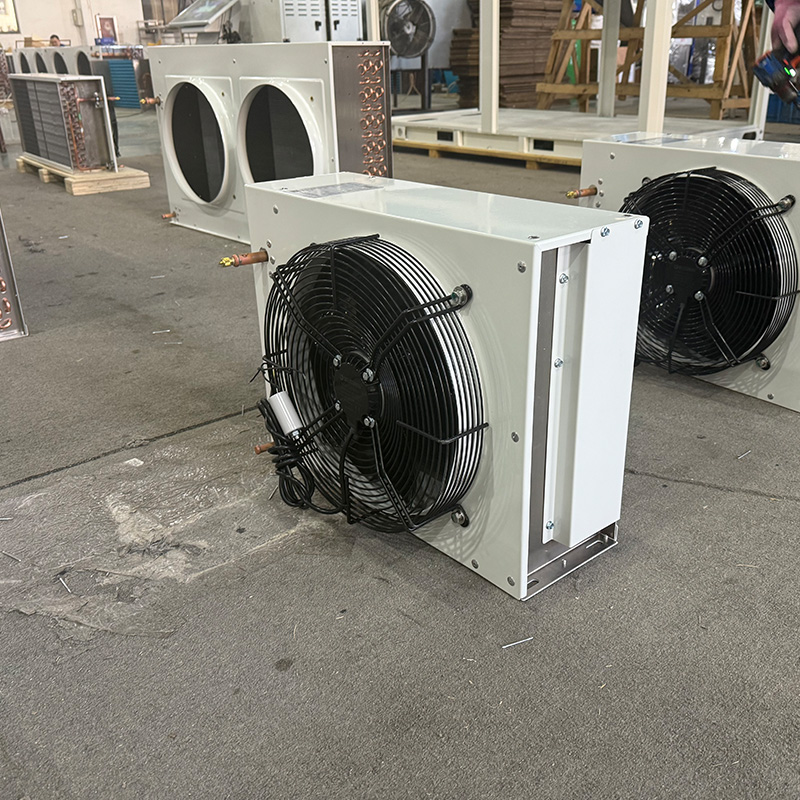
To ensure that the condenser coils meet your performance expectations, a thorough quality evaluation process should be in place. This typically includes assessing material integrity, manufacturing precision, and overall construction quality. Key performance indicators to watch for include:
Thermal Efficiency: Verify the thermal conductivity of the coil material and its design effectiveness. Corrosion Resistance: Especially important for coils exposed to moisture or chemical environments, ensure that protective coatings or materials meet industry standards. Pressure Ratings: Confirm that the coils are rated for the specific pressures they will encounter in operation; this is vital for preventing failures and ensuring safety.Sample testing is also a critical part of the evaluation process. Before finalizing large orders, request samples of the condenser coils. Testing these samples under your specific operational conditions can help identify any performance issues that may not be apparent from specifications alone.
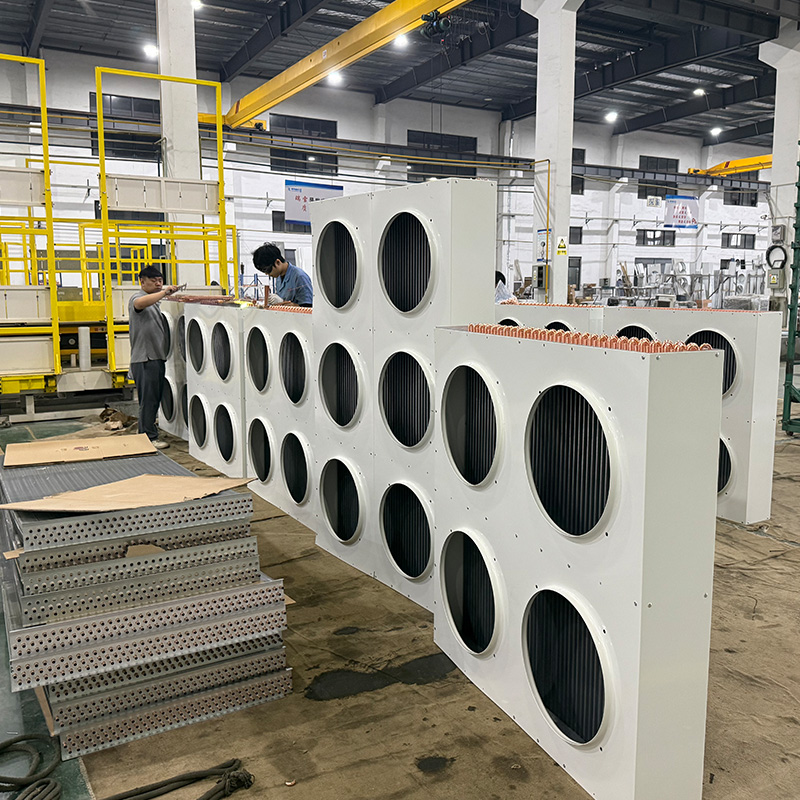
Proper installation is key to maximizing the efficiency of condenser coils. Begin by reviewing the manufacturer's installation guidelines, as these will provide essential information on fitting and operational requirements.
Ensure that the installation location allows for adequate airflow around the coils. Obstruction can lead to overheating and reduced efficiency. Additionally, pay careful attention to the orientation of the coils; improper positioning can hinder performance and lead to premature wear.
During installation, it’s crucial to use compatible components and follow best practices for connecting the coils to the refrigeration system. Leaks in the refrigerant lines can significantly affect system performance. Conduct thorough leak testing after installation to ensure that the system is airtight.
Regular maintenance checks post-installation will also contribute to long-term efficiency. Cleaning the coils periodically and checking for signs of wear or corrosion can prevent costly repairs down the line. Consider using components such as the Compressor For Refrigeration Tools And Equipment to enhance overall system performance.
A modern plant of over 4000 square meters is in operation to meet the majority Refrigeration condenser production requirements.
Special docking is offered to provide a full range of service. This includes the creation of Cuber ice machine, production installations, landing plans, and after-sales support.
With a good reputation in the industry and more than 3,000 clients who have been served, Condensing unit is a trustworthy established supplier that has been recognized by other customers.
More than 20 years of' experience and an experienced R&D EMTH team.

Welcome to EMTH, a cold storage refrigeration equipment specialist in China! We offer innovative and effective cold storage solutions, including cold storage, evaporator, condensing unit and ice machine.
Room 304-305B, Building 5, BESHINE B.P, No. 559Zhuyuan Road, Minhang District 201112, Shanghai, China
Copyright © Shanghai EMTH Import & Export Co., Ltd. All Rights Reserved. - Privacy Policy
 EN
 AR
 BG
 HR
 CS
 DA
 NL
 FI
 FR
 DE
 EL
 IT
 JA
 KO
 NO
 PL
 PT
 RO
 RU
 ES
 TL
 IW
 ID
 LT
 SR
 VI
 HU
 TH
 MS
 AZ
 JW
 LO
 MN
 SO
 MY
 KK
 TG
 UZ
 GD
 XH