Understanding compressor condenser units is crucial for professionals in the refrigeration industry. These units play a vital role in cooling systems, responsible for dissipating heat and ensuring efficient operation. Buyers often face concerns regarding reliability, quality control, installation, maintenance, and sourcing trustworthy suppliers. This article will address these issues, providing insights into selecting and maintaining compressor condenser units effectively.
When sourcing compressor condenser units, it’s essential to consider several factors that affect performance and reliability. Begin by evaluating the specifications that match your application requirements. Key specifications include cooling capacity, pressure ratings, and energy efficiency ratings.
Look for manufacturers with an established reputation for quality. A company like Shanghai EMTH, with over 20 years of experience in refrigeration equipment manufacturing, is a strong candidate. Check for certifications that validate the manufacturer’s compliance with industry standards.
Additionally, inquire about the materials used in the condenser units. High-quality materials contribute to durability and longevity. For instance, corrosion-resistant materials are essential for units exposed to humid or corrosive environments. Understanding the manufacturer's production capabilities, such as their ability to customize units according to specific needs, can also help ensure you source reliable products.
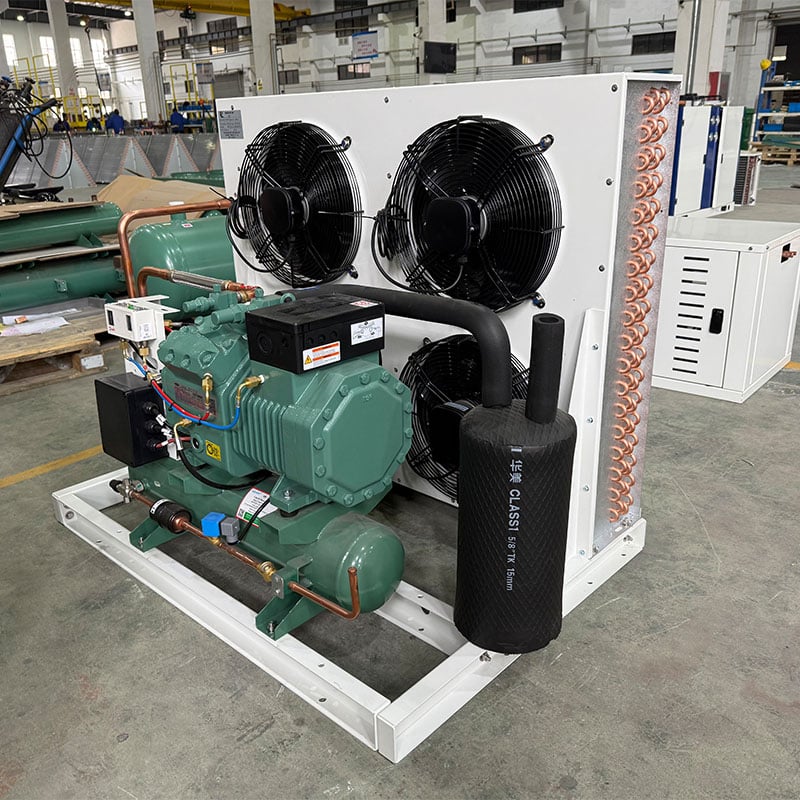
Quality control is a critical aspect of manufacturing compressor condenser units. A robust quality control process ensures that each unit meets performance specifications and industry standards. This process typically involves multiple stages, including raw material inspection, in-process quality checks, and final product testing.
Manufacturers often conduct performance testing under various conditions to assess efficiency and reliability. For instance, units may be tested for leak integrity, pressure performance, and temperature control capabilities. It's beneficial to ask potential suppliers about their quality control protocols and any certifications they hold, such as ISO standards.
Moreover, a thorough quality inspection should include a review of the manufacturing process itself. Experienced manufacturers, like Shanghai EMTH, utilize advanced production equipment and technology to enhance consistency and reduce defects. Buyers should insist on documentation of quality inspections and test results to ensure that the units will perform as expected in real-world applications.
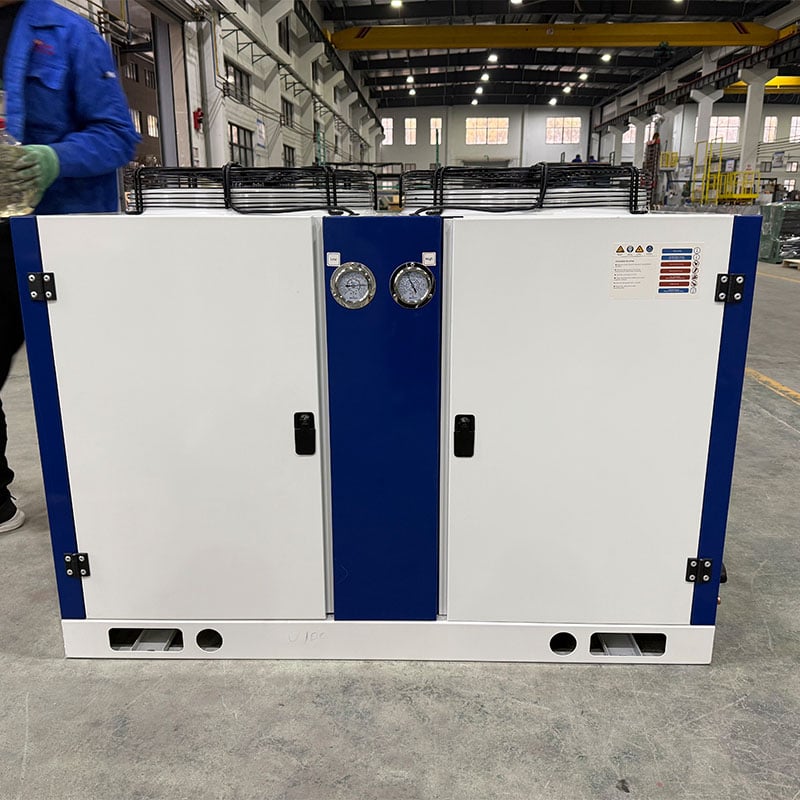
Proper installation of compressor condenser units is essential for optimal performance. Begin by reviewing the manufacturer’s installation manual, which should provide detailed guidelines specific to the model you are installing. Key considerations include:
Location: Ensure the unit is positioned in a well-ventilated area to promote efficient heat exchange. Avoid placing it in enclosed spaces that may hinder airflow.
Mounting: Use appropriate mounting techniques to minimize vibrations and noise. Secure mounting can also enhance the unit's lifespan by reducing wear and tear.
Connections: Pay close attention to refrigerant line connections to prevent leaks. Proper insulation of these lines is also necessary to maintain efficiency.
Electrical Setup: Ensure that the electrical connections comply with local codes and the manufacturer's specifications. A qualified technician should handle electrical work to ensure safety and compliance.
Initial Testing: After installation, conduct a thorough inspection and operational test to verify that the unit functions correctly before putting it into regular use.
By following these guidelines and utilizing the expertise of experienced technicians, you can ensure that your compressor condenser units operate efficiently and reliably.
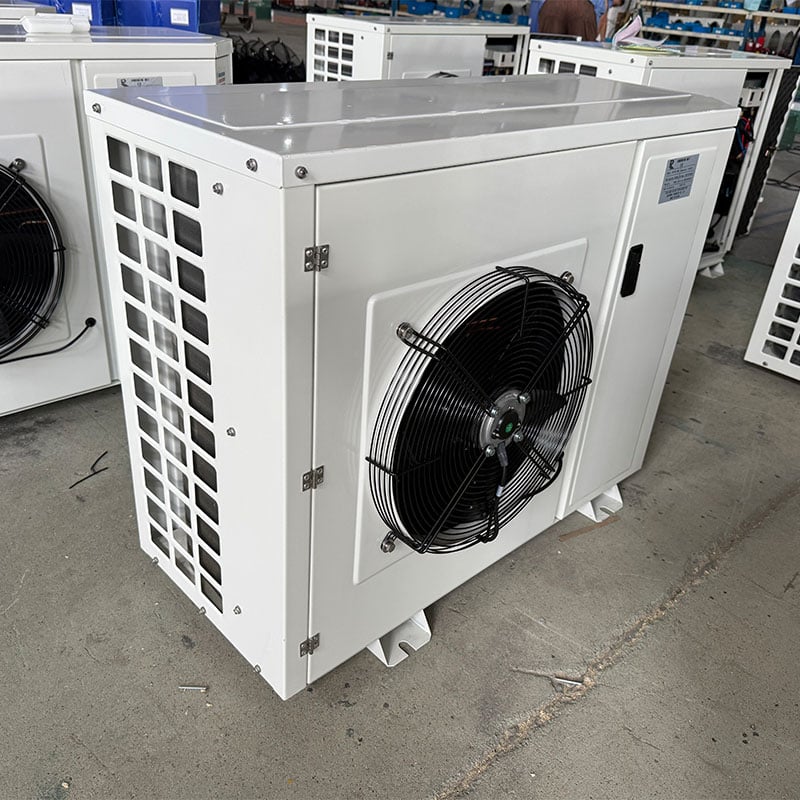
Despite their reliability, compressor condenser units can experience several common issues. Understanding these problems and their solutions can save time and reduce downtime. Here are some frequent challenges:
Refrigerant Leaks: One of the most common issues is refrigerant leakage, which can reduce cooling efficiency and lead to system failure. Regular maintenance checks can help identify leaks early. Technicians should use electronic leak detectors to pinpoint issues accurately.
Overheating: Overheating can occur due to poor airflow or blocked condenser coils. Regular cleaning and maintenance of the coils can prevent this problem. Ensure that surrounding areas are free of debris and obstructions.
Compressor Failure: A failing compressor can be costly. Signs include unusual noises or reduced cooling capacity. Regularly scheduled maintenance and timely replacement of worn parts can prolong the life of the compressor.
Electrical Failures: Issues with electrical components can lead to unit malfunctions. Regular inspections of wiring and connections can help identify potential problems before they escalate.
By being proactive in maintenance and addressing these common issues quickly, buyers can ensure their compressor condenser units continue to operate effectively.
With a full service system, from the formulation of plans, production of Condensing units as well as project landing until after-sales assistance, there's special docking.
A modern facility of more than 40,000 square meters is available to meet the majority of EMTH requirements.
With more than 20 years of knowledge, we've developed a a complete production and sales and after-sales system with more than 20 patent certificates and a highly skilled R&D EMTH team.
With a good name in the industry, with over 3,000+ clients serviced, EMTH EMTH is a trustworthy established supplier that is praised by its clients.

Welcome to EMTH, a cold storage refrigeration equipment specialist in China! We offer innovative and effective cold storage solutions, including cold storage, evaporator, condensing unit and ice machine.
Room 304-305B, Building 5, BESHINE B.P, No. 559Zhuyuan Road, Minhang District 201112, Shanghai, China
Copyright © Shanghai EMTH Import & Export Co., Ltd. All Rights Reserved. - Privacy Policy
 EN
 AR
 BG
 HR
 CS
 DA
 NL
 FI
 FR
 DE
 EL
 IT
 JA
 KO
 NO
 PL
 PT
 RO
 RU
 ES
 TL
 IW
 ID
 LT
 SR
 VI
 HU
 TH
 MS
 AZ
 JW
 LO
 MN
 SO
 MY
 KK
 TG
 UZ
 GD
 XH