Air cooled condensers for walk in coolers are essential components in refrigeration systems, primarily used to remove heat from the refrigerant, allowing the system to cool effectively. For B2B buyers, including purchasing managers and engineers, concerns often revolve around efficiency, compatibility, installation, and cost. This article will provide valuable insights into selecting the right air cooled condenser for your needs, installation guidance, cost factors, application scenarios, and key considerations to ensure a successful purchase.
When seeking suppliers for air cooled condensers for walk in coolers, it is crucial to evaluate multiple options. Start by identifying manufacturers with a proven track record in refrigeration equipment. Look for companies like Shanghai EMTH, a branch of Zhejiang RUIXUE, which boasts over 20 years of experience and multiple patents in the industry.
Consider the following when selecting a supplier:
Reputation: Research online reviews and case studies to gauge their reliability.Production Capacity: Ensure the supplier can meet your bulk order requirements, particularly if you need multiple units for a larger installation.Customization: Many suppliers offer customization options to tailor the product to specific application requirements, such as size, material, or design.Lead Times: Ask about production times and any potential delays to ensure timely delivery.When buying in bulk, negotiate pricing based on volume. Many manufacturers offer discounts for larger orders, which can significantly reduce your overall costs. Ensure you clearly communicate your specifications, including dimensions and performance requirements, when discussing bulk purchases.
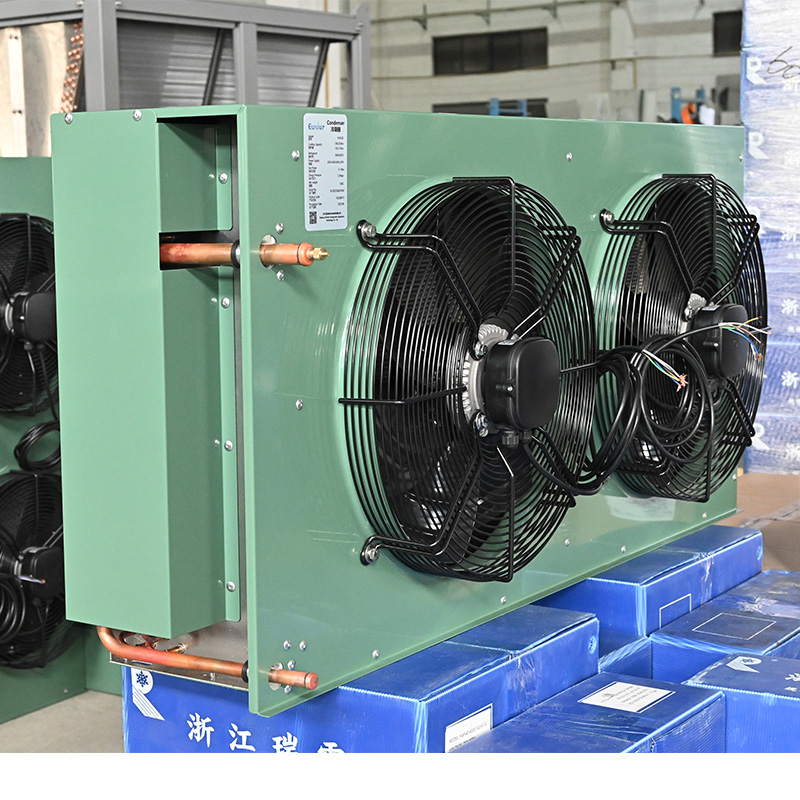
Proper installation of air cooled condensers is crucial for ensuring optimal performance and longevity. Here are essential steps to follow:
Location Selection: Choose a location with adequate airflow to prevent overheating. Avoid placing the condenser in enclosed spaces or near heat sources.
Mounting: Ensure that the condenser is mounted securely on a level surface to minimize vibrations. This helps maintain structural integrity and reduces noise levels.
Electrical Connections: Follow local electrical codes when making connections. Ensure that the power supply matches the specifications of the condenser to avoid operational issues.
Refrigerant Lines: Properly insulate and route refrigerant lines to prevent leaks and ensure efficient heat exchange. Any bends in the line should be smooth to reduce pressure drops.
Testing: After installation, perform a thorough test to check for leaks, ensure proper airflow, and evaluate temperature regulation. This process helps identify any installation errors before the system goes into full operation.
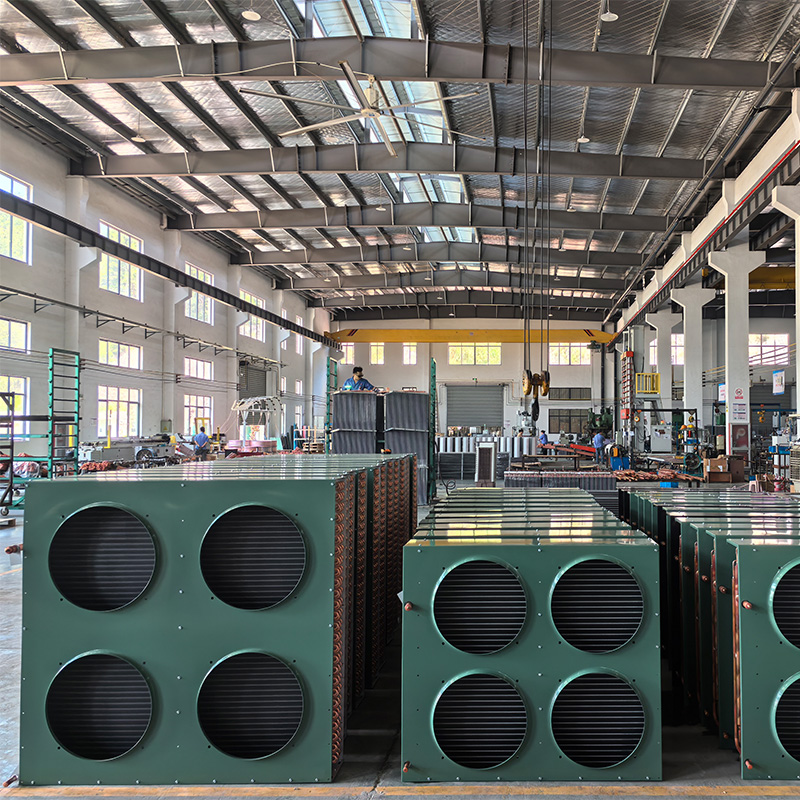
When evaluating costs for air cooled condensers, several factors come into play. Understanding these can help buyers make informed purchasing decisions:
Material Costs: The choice of materials, such as aluminum or copper, impacts durability and heat transfer efficiency. Copper typically offers better thermal conductivity but may be more expensive than aluminum.
Specifications: Dimensions, cooling capacity, and energy efficiency ratings can all affect price. Ensure that you choose a model that meets your cooling needs without overspending on unnecessary features.
Customization: Custom features can increase costs. Evaluate whether specific adaptations are essential for your application or if standard models suffice.
Shipping and Handling: Factor in transportation costs, especially if ordering from overseas suppliers. Understand the terms for delivery, as these can influence the final price.
After-Sales Services: Consider suppliers that offer warranties or maintenance services, as these can provide long-term value that offsets initial costs.
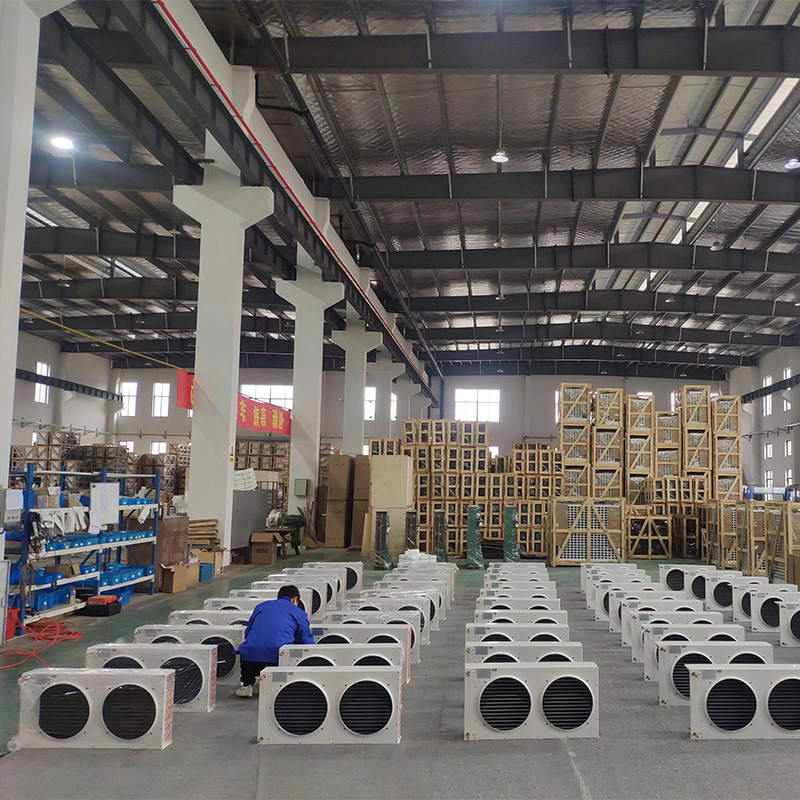
Air cooled condensers are versatile components used in various industrial refrigeration applications, including:
Walk-in Coolers: Essential for maintaining temperature in food storage, ensuring freshness and compliance with health regulations.
Cold Storage Facilities: Used in warehouses for perishable goods, these condensers help regulate temperature and humidity.
Process Cooling: Industries such as pharmaceuticals and chemicals rely on precise temperature control, making air cooled condensers crucial for operational efficiency.
HVAC Systems: Integrated into larger HVAC systems, these condensers help manage indoor climates in commercial buildings, contributing to energy efficiency. Additionally, air curtains can complement these systems by minimizing energy loss.
By understanding these applications, buyers can better assess their specific needs and choose the right condenser for their operations.
With a good reputation in the industry and more than 3,000 clients who have been served, Condensing unit is a trustworthy established supplier that has been recognized by other customers.
More than 20 years of of experience and a professional R&D EMTH staff.
Special docking is offered for a complete service. This includes the design of Commercial ice maker, production installation, landing projects, and after-sales support.
A modern factory of over 40000 square meters is in place to satisfy the majority of Condensing units requirements.

Welcome to EMTH, a cold storage refrigeration equipment specialist in China! We offer innovative and effective cold storage solutions, including cold storage, evaporator, condensing unit and ice machine.
Room 304-305B, Building 5, BESHINE B.P, No. 559Zhuyuan Road, Minhang District 201112, Shanghai, China
Copyright © Shanghai EMTH Import & Export Co., Ltd. All Rights Reserved. - Privacy Policy
 EN
 AR
 BG
 HR
 CS
 DA
 NL
 FI
 FR
 DE
 EL
 IT
 JA
 KO
 NO
 PL
 PT
 RO
 RU
 ES
 TL
 IW
 ID
 LT
 SR
 VI
 HU
 TH
 MS
 AZ
 JW
 LO
 MN
 SO
 MY
 KK
 TG
 UZ
 GD
 XH