Walk-in cold rooms are essential for businesses requiring temperature-sensitive storage solutions, such as food processing, pharmaceuticals, and logistics. These refrigerated spaces offer a controlled environment for perishable goods, enhancing product longevity and safety. As a B2B buyer, your primary concerns may include product specifications, customization options, installation processes, and cost considerations. This article will provide insights into choosing the right walk-in cold rooms for your needs, guiding you through critical factors that influence your purchasing decision.
When selecting walk-in cold rooms, the first step is to assess your specific storage requirements. Consider the type of products you intend to store, their volume, and the temperature ranges necessary for preservation. For instance, food products may require temperatures between -18°C to 5°C, while pharmaceuticals may call for even stricter controls.
Next, evaluate the space available in your facility. Walk-in cold rooms come in various sizes and configurations, making it essential to measure your space accurately. Ensure there’s adequate clearance for doors and ventilation systems, as well as compliance with local building codes.
Additionally, consider the customization options available. Shanghai EMTH offers tailored solutions to meet specific requirements, including insulation thickness, shelving layouts, and door configurations. Customization can significantly impact performance and energy efficiency, so engage with your supplier to identify the best options for your application. For more about how different components can enhance your cold room's efficiency, explore our Refrigeration Accessories.
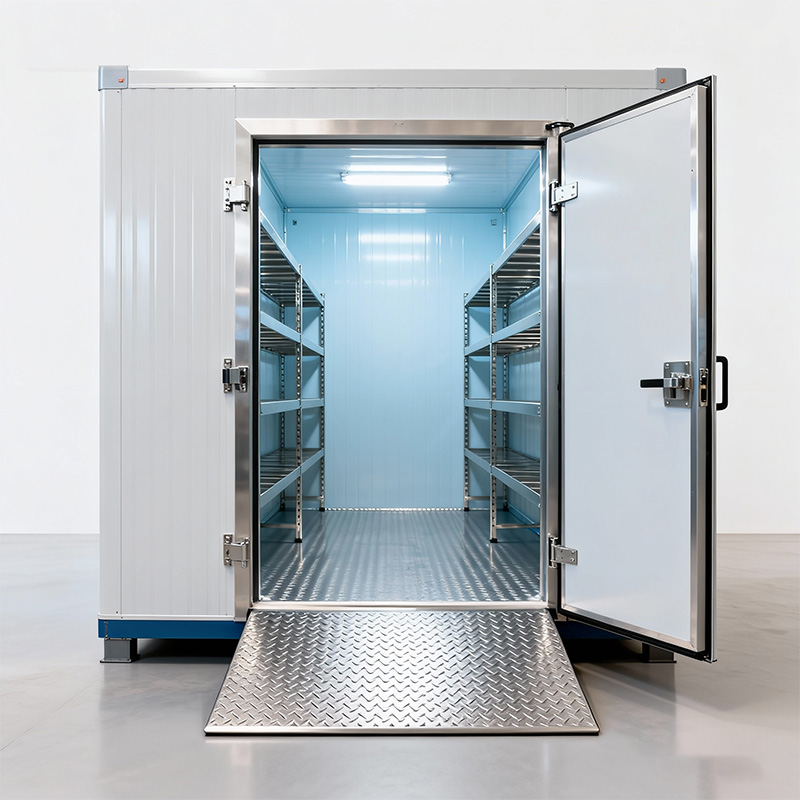
When evaluating walk-in cold rooms, focus on several key features:
Insulation Material: The quality of insulation affects energy efficiency and temperature stability. High-density polyurethane foam is commonly used for its excellent insulation properties. Verify the thickness of the insulation—typically 75mm to 150mm—depending on your temperature requirements.
Cooling System: Different cooling systems are available, including direct expansion and chilled water systems. Assess the cooling capacity needed to maintain the desired temperature based on the room size and load.
Durability and Construction: Look for cold rooms constructed from high-quality materials such as galvanized steel or stainless steel, which resist corrosion and wear over time. Check for reinforced floors if heavy loads are expected.
Accessibility: Consider door types and sizes. Sliding or hinged doors can significantly affect workflow and accessibility. Ensure they are easily operable and properly insulated to prevent temperature loss.
Energy Efficiency: Energy costs are a major consideration for walk-in cold rooms. Look for models with energy-efficient compressors and automated control systems that optimize energy use. An efficient Compressor can make a significant difference in long-term operational costs.
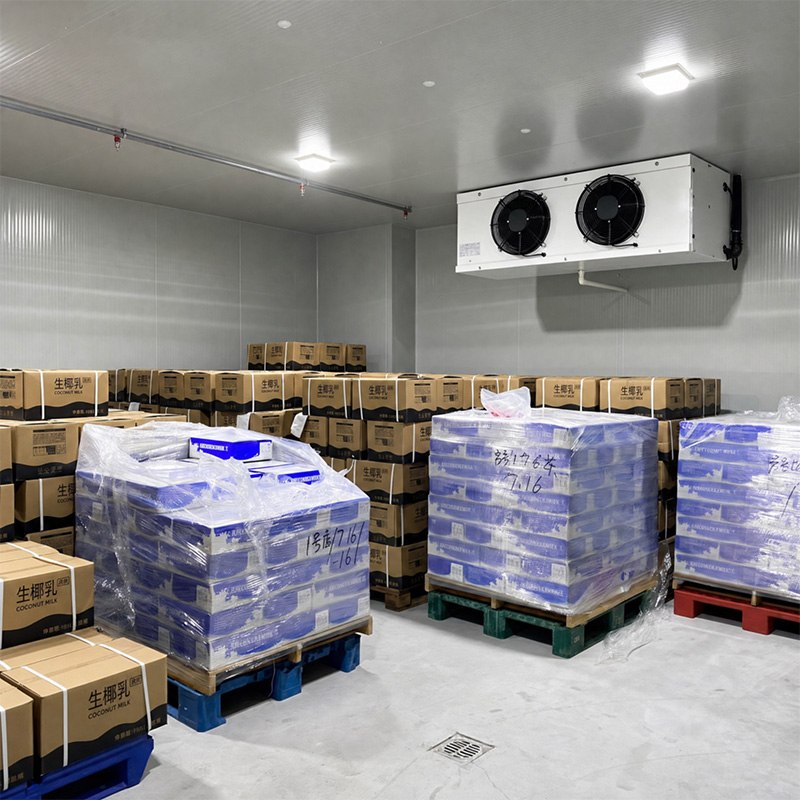
The cost of walk-in cold rooms can vary significantly based on several factors:
Size and Configuration: Larger and more complex configurations typically come at a higher price. Custom designs can also increase costs.
Insulation Type and Thickness: Higher-quality insulation materials and greater thickness will add to the overall cost but can lead to significant energy savings in the long run.
Cooling System: The choice of cooling technology influences the price. Advanced systems may have higher upfront costs but provide better efficiency and lower operating costs.
Installation Complexity: If your site requires extensive modifications for installation, this can increase labor costs. Ensure to factor in the installation services provided by your supplier.
Additional Features: Options like remote monitoring systems, alarm capabilities for temperature fluctuations, and advanced shelving may also impact pricing.
When budgeting for walk-in cold rooms, consider both the initial investment and long-term operational costs.
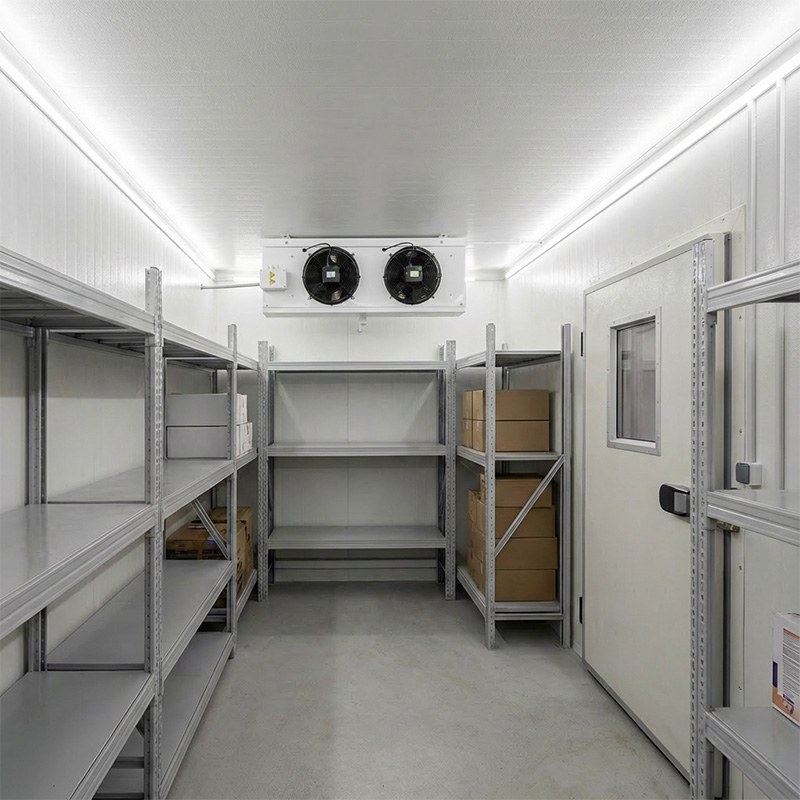
Proper installation of walk-in cold rooms is crucial for optimal performance. Here are some essential steps to ensure a successful installation:
Site Preparation: Ensure the installation site is clean, level, and free from debris. It should be capable of supporting the weight of the cold room and its contents.
Follow Manufacturer Guidelines: Adhere strictly to the installation manual provided by the manufacturer. This includes details on assembling panels, securing insulation, and installing the cooling unit.
Electrical and Plumbing Work: Coordinate with licensed professionals for any necessary electrical connections and plumbing. This ensures compliance with safety codes and regulations.
Temperature Testing: Once installed, conduct temperature tests to confirm that the cold room maintains the desired temperatures under various loads. This step is critical before full-scale operation.
Regular Maintenance: Establish a routine maintenance schedule, including checking door seals, cleaning evaporator coils, and inspecting the cooling system, to ensure long-lasting performance.
Complete service program, from formulating of plans to the production and Ice maker for under counter, to after-sales service, there are specific docking.
After more than 20 years of expertise, we've got full sales and production and after-sales process with more than 20 patent certificates and a skilled R&D EMTH team.
EMTH EMTH has a track record in the field with over 3,000+ happy customers.
A modern facility of more than 40,000 square meters is available to meet the majority of EMTH requirements.

Welcome to EMTH, a cold storage refrigeration equipment specialist in China! We offer innovative and effective cold storage solutions, including cold storage, evaporator, condensing unit and ice machine.
Room 304-305B, Building 5, BESHINE B.P, No. 559Zhuyuan Road, Minhang District 201112, Shanghai, China
Copyright © Shanghai EMTH Import & Export Co., Ltd. All Rights Reserved. - Privacy Policy
 EN
 AR
 BG
 HR
 CS
 DA
 NL
 FI
 FR
 DE
 EL
 IT
 JA
 KO
 NO
 PL
 PT
 RO
 RU
 ES
 TL
 IW
 ID
 LT
 SR
 VI
 HU
 TH
 MS
 AZ
 JW
 LO
 MN
 SO
 MY
 KK
 TG
 UZ
 GD
 XH