Industrial evaporators are crucial components in various refrigeration systems, serving to absorb heat and facilitate the cooling process in applications ranging from food preservation to chemical manufacturing. For B2B buyers—such as purchasing managers and engineers—selecting the right industrial evaporator entails careful consideration of specifications, supplier reliability, and long-term operational efficiency. This article will explore key factors to consider when choosing an industrial evaporator supplier, address common problems and their solutions, compare different types of evaporators, provide wholesale purchasing tips, and indicate where to find reliable suppliers.
When selecting a supplier for industrial evaporators, several critical factors should be evaluated. Firstly, the manufacturer’s experience and expertise in refrigeration equipment play a significant role. A company like Shanghai EMTH, with over 20 years in the industry and a strong focus on quality, can provide insights into the latest technologies and trends. Moreover, you might also consider suppliers who offer specialized products like the Bitzer Condensing Unit for enhanced operational efficiency.
Buyers should also assess the supplier's production capabilities, including their manufacturing processes, equipment, and quality control measures. Key specifications to confirm include the materials used for evaporators, as these directly impact performance, durability, and compatibility with specific applications. Certifications and compliance with industry standards are essential to ensure that the products meet regulatory requirements.
Additionally, it's crucial to discuss customization options. Many suppliers offer tailored solutions based on the unique needs of each client, which can significantly enhance efficiency and effectiveness. Finally, evaluate the supplier's service offerings, including installation support, maintenance services, and warranty terms, to ensure a comprehensive solution.
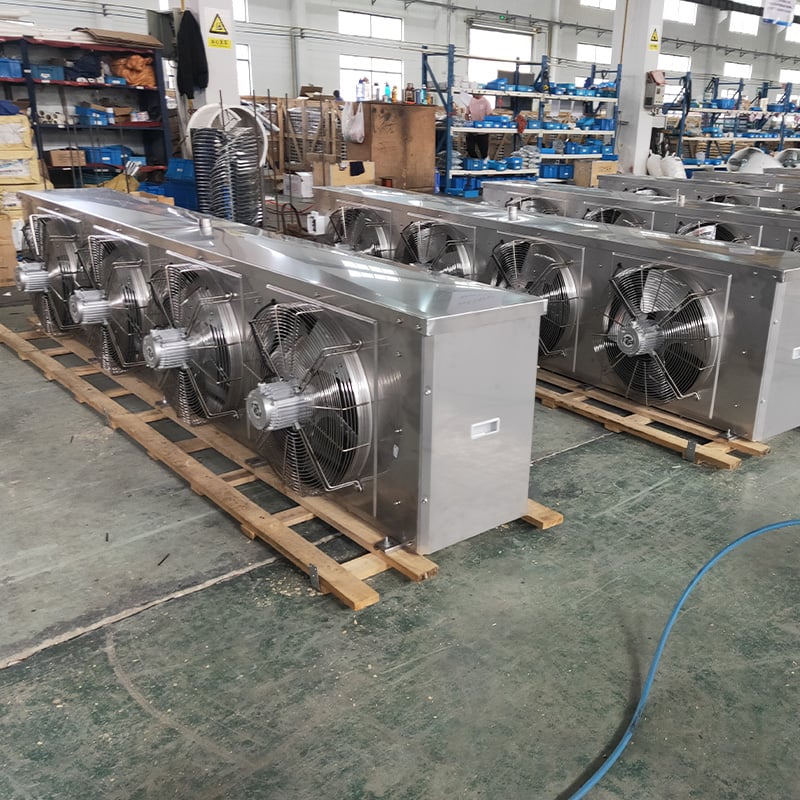
Industrial evaporators can encounter several common issues that may affect their performance and longevity. One prevalent problem is inefficient heat exchange, often due to fouling or scaling on the evaporator coils. To mitigate this, routine maintenance and cleaning schedules should be established. Regular inspections can help identify early signs of buildup, allowing for timely intervention.
Another issue is refrigerant leakage, which not only affects cooling efficiency but can also lead to safety hazards. Suppliers should offer robust leak detection solutions and recommend appropriate materials that can withstand the operating conditions of your system. For instance, considering reliable components such as the Compressor For Refrigeration Tools And Equipment can optimize your system's performance.
Additionally, improper sizing of evaporators can lead to inadequate cooling or increased energy consumption. Buyers should work closely with suppliers to ensure that the evaporator is correctly sized for the specific application. This often involves providing detailed information about the intended use, ambient conditions, and required cooling capacity.
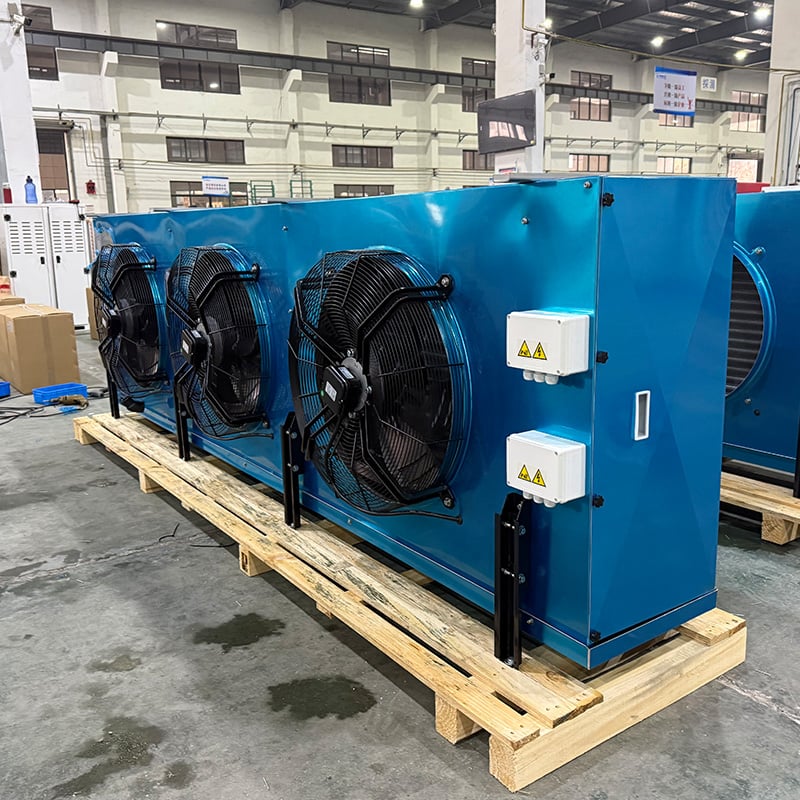
Industrial evaporators come in various types, each designed for specific applications and operational conditions. The most common types include:
Shell-and-Tube Evaporators: Known for their versatility and robust design, these evaporators are ideal for high-pressure applications and can be customized for different refrigerants.
Plate Evaporators: These evaporators are compact and efficient, making them suitable for smaller systems where space is a constraint. They offer a high heat transfer surface area but may require more frequent maintenance due to fouling.
Falling Film Evaporators: Often used in food processing and chemical engineering, these evaporators are efficient for heat-sensitive products, allowing for lower operating temperatures.
Forced Circulation Evaporators: Ideal for viscous liquids, these evaporators ensure uniform heat distribution and are effective in preventing scaling.
When comparing these types, consider factors such as heat transfer efficiency, maintenance requirements, space constraints, and application suitability. Working with experienced suppliers can also provide insights into which type best meets your operational needs.
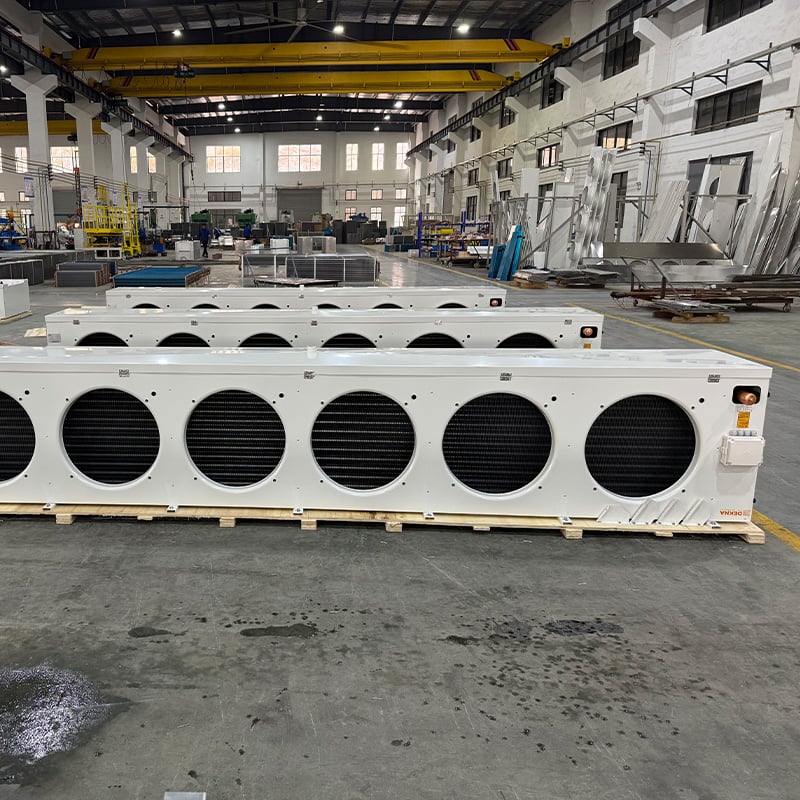
Purchasing industrial evaporators in bulk can offer significant cost savings, but it requires careful planning. Start by defining your requirements, including the type and specifications of the evaporators needed, anticipated quantities, and delivery timelines. Providing this information upfront can help suppliers offer accurate quotations.
When requesting quotes, include details about the intended application and any specific operational conditions to ensure that the recommended products are suitable. It's also advisable to ask about minimum order quantities (MOQ) and lead times, as these can vary between suppliers.
Additionally, inquire about pricing structures. Some suppliers offer tiered pricing based on order volume, which can further reduce costs. Don't hesitate to negotiate terms that may include payment options, delivery schedules, and after-sales support.
Finally, consider requesting samples or prototypes before committing to a large order. This allows for testing and evaluation under actual operating conditions, ensuring that the product meets performance expectations.
A modern factory of over 40,000 square meters is available to fulfill the majority of EMTH demands for production.
EMTH has a long-standing track record of success in the industry with more than 3,000 satisfied customers.
With more than 20 years of knowledge, we've developed a a complete production and sales and after-sales process with more than 20 patent certificates and a skilled R&D EMTH team.
Complete service program, from formulating of plans to the production and Ice maker for under counter, to after-sales service, there are specific docking.

Welcome to EMTH, a cold storage refrigeration equipment specialist in China! We offer innovative and effective cold storage solutions, including cold storage, evaporator, condensing unit and ice machine.
Room 304-305B, Building 5, BESHINE B.P, No. 559Zhuyuan Road, Minhang District 201112, Shanghai, China
Copyright © Shanghai EMTH Import & Export Co., Ltd. All Rights Reserved. - Privacy Policy
 EN
 AR
 BG
 HR
 CS
 DA
 NL
 FI
 FR
 DE
 EL
 IT
 JA
 KO
 NO
 PL
 PT
 RO
 RU
 ES
 TL
 IW
 ID
 LT
 SR
 VI
 HU
 TH
 MS
 AZ
 JW
 LO
 MN
 SO
 MY
 KK
 TG
 UZ
 GD
 XH