Evaporators are essential components in refrigeration systems, responsible for absorbing heat and providing cooling in various applications. For B2B buyers, understanding the key specifications, costs, installation requirements, common issues, and applications of evaporators is crucial for making informed purchasing decisions. This article aims to equip purchasing managers, engineers, and product managers with the necessary knowledge to evaluate evaporator options effectively.
When comparing evaporator models, several key specifications can significantly influence performance and suitability for specific applications:
Capacity: Measured in BTUs or tons, the evaporator's cooling capacity should match the thermal load of the application. An oversized unit can lead to inefficiencies, while an undersized unit may not meet cooling demands.
Type: Evaporators come in various types, such as direct expansion (DX) and flooded systems. DX evaporators are suitable for smaller systems, while flooded evaporators are better for larger, industrial applications due to their efficiency in handling high loads.
Material: The construction material impacts durability and efficiency. Copper coils are commonly used for their excellent thermal conductivity, while aluminum is lighter and resistant to corrosion but may not conduct heat as effectively.
Dimensions: The physical size of the evaporator, including height, width, and depth, must be compatible with the installation space. Ensure that the dimensions account for airflow and maintenance access.
Fins and Tubes: The design and spacing of fins can affect heat exchange efficiency. The number of tubes and their arrangement can also enhance performance; more tubes typically mean better heat transfer but may require more maintenance.
Energy Efficiency Ratio (EER): This ratio indicates the cooling output in relation to energy input. Higher EER values signal better efficiency, which can lead to cost savings on energy bills.
By considering these specifications, buyers can better assess which evaporator models will fulfill their operational needs and financial constraints. Additionally, buyers should also consider the associated Refrigeration Accessories that can enhance the performance of these evaporators.
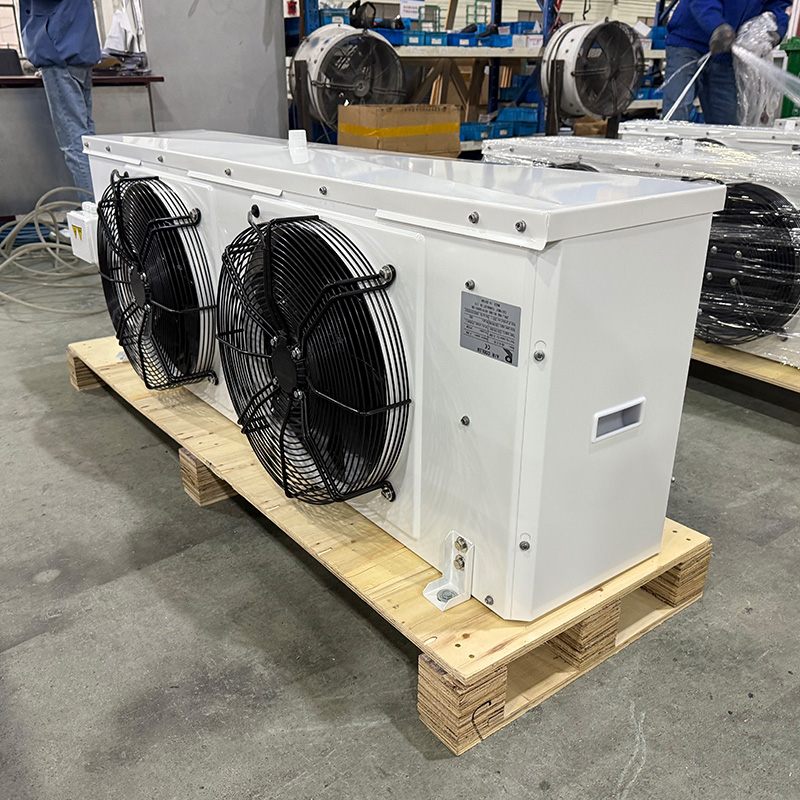
Sourcing evaporators in bulk involves evaluating several cost factors to ensure a sound investment:
Unit Price: The initial cost of each evaporator can vary based on specifications and brand reputation. Bulk purchases often come with discounts, so it's essential to negotiate pricing with suppliers.
Shipping and Handling: Transportation costs can significantly affect the total expenditure. Consider the shipping method, distance, and packaging requirements. Proper packing is crucial to avoid damage during transit, which may incur additional costs.
Installation Costs: Installation may require specialized labor, which can add to the overall expense. Ensure that the installation requirements are clear and that the supplier provides necessary guidelines or services.
Maintenance and Operational Costs: Long-term operational efficiency impacts total costs. Evaporators with higher energy efficiency may have a higher upfront cost but can lead to savings over time through reduced energy consumption.
Warranty and Support: Evaluate the warranty offered and the availability of customer support. A robust warranty can mitigate future repair costs, while responsive support can reduce downtime during operational issues.
By assessing these cost factors, buyers can make more informed decisions when sourcing evaporators, ensuring they align with both budget and operational needs.
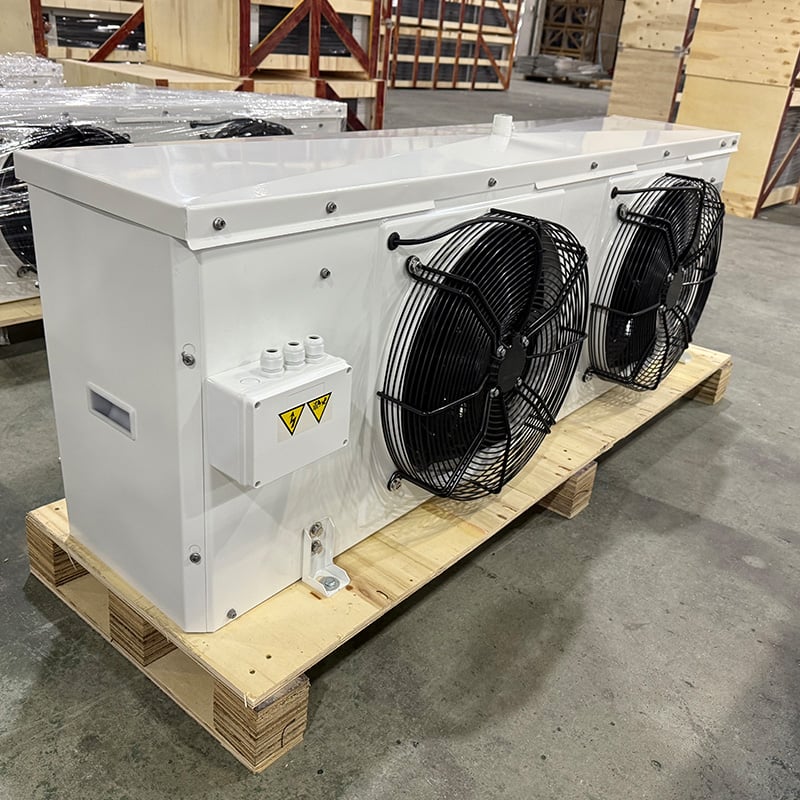
Proper installation of evaporators is crucial for maximizing their efficiency and longevity. Here are some guidelines to follow:
Location Selection: Install the evaporator in a location that allows for adequate airflow. Avoid placing it in spaces with obstructions or high ambient temperatures, as these factors can hinder performance.
Level Installation: Ensure the evaporator is installed on a level surface to promote proper drainage of condensate. Uneven surfaces can lead to pooling, resulting in decreased efficiency and potential damage.
Ducting and Airflow: Properly size and install ductwork to facilitate optimal airflow. Ensure that there are no leaks in the ductwork, as this can lead to significant energy losses.
Insulation: Insulate refrigerant lines to minimize heat gain during transport. Uninsulated lines can lead to inefficiencies and increased operational costs.
Electrical Connections: Verify that electrical connections comply with local codes and that they match the evaporator’s specifications. Incorrect connections can lead to malfunction or safety hazards.
Commissioning: After installation, conduct a thorough inspection and commissioning process. This should include checking for leaks, verifying airflow, and ensuring that all components function correctly.
Following these installation guidelines will help ensure that the evaporator operates at peak efficiency, contributing to a reliable refrigeration system.
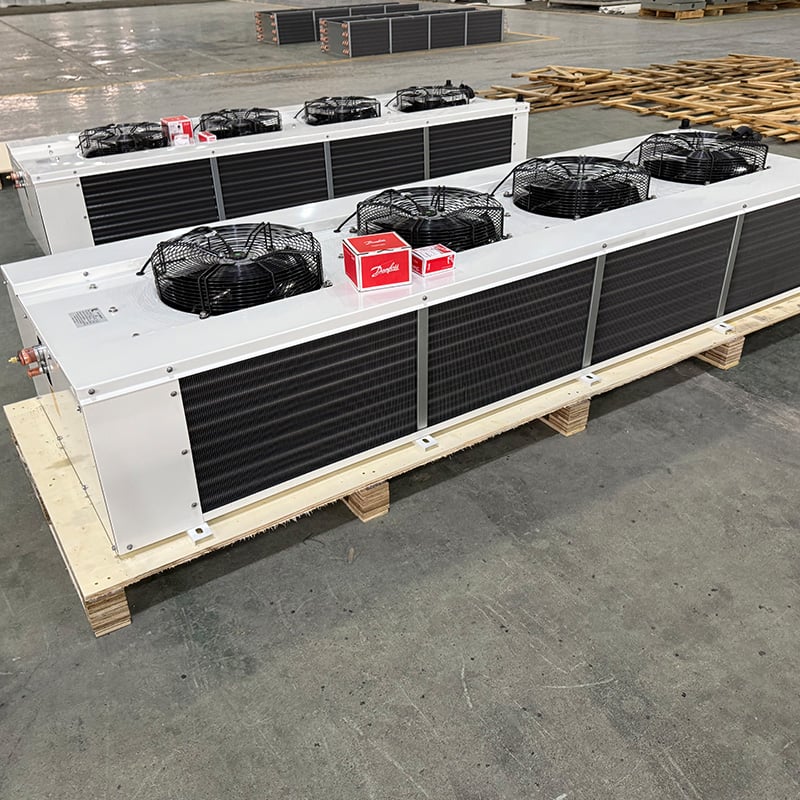
Understanding common evaporator problems can help buyers and operators anticipate issues and implement effective solutions:
Frost Build-Up: Excessive frost on the evaporator coils can hinder performance. This typically occurs due to inadequate airflow, low refrigerant levels, or malfunctioning defrost controls. Regular maintenance, including cleaning coils and ensuring proper airflow, can mitigate this issue.
Refrigerant Leaks: Leaks can lead to reduced cooling performance and increased energy costs. Regular inspections for signs of oil or refrigerant around the coils and fittings are essential. If a leak is detected, it should be addressed immediately by a qualified technician.
Noise Issues: Unusual noises can indicate mechanical problems, such as a failing fan motor or loose components. Regular checks and maintenance can identify these issues early, preventing further damage.
Inefficient Cooling: If the evaporator fails to cool effectively, check for dirty coils, insufficient refrigerant, or airflow obstructions. Cleaning the coils and ensuring proper refrigerant levels can often resolve this issue.
Short Cycling: This occurs when the evaporator turns on and off rapidly, which can lead to increased wear and tear. Possible causes include incorrect thermostat settings or issues with the compressor. Adjustments or repairs may be necessary to resolve this.
By recognizing these common problems and their solutions, buyers can maintain their evaporators effectively, ensuring their longevity and efficiency.
Complete service program, from formulating of plans to the production and Ice maker for under counter, to after-sales service, there are specific docking.
With a strong reputation in the business and over 3,000+ clients that they have served, EMTH EMTH is a trustworthy, proven supplier that has been acknowledged by other clients.
A modern plant of over 40000 square meters is in place to meet the EMTH majority manufacturing requirements.
We have more than 20 years of experience and a highly skilled R&D EMTH staff.

Welcome to EMTH, a cold storage refrigeration equipment specialist in China! We offer innovative and effective cold storage solutions, including cold storage, evaporator, condensing unit and ice machine.
Room 304-305B, Building 5, BESHINE B.P, No. 559Zhuyuan Road, Minhang District 201112, Shanghai, China
Copyright © Shanghai EMTH Import & Export Co., Ltd. All Rights Reserved. - Privacy Policy
 EN
 AR
 BG
 HR
 CS
 DA
 NL
 FI
 FR
 DE
 EL
 IT
 JA
 KO
 NO
 PL
 PT
 RO
 RU
 ES
 TL
 IW
 ID
 LT
 SR
 VI
 HU
 TH
 MS
 AZ
 JW
 LO
 MN
 SO
 MY
 KK
 TG
 UZ
 GD
 XH