In the realm of refrigeration, the evaporator plays a vital role in ensuring efficient cooling within freezers. An evaporator in a freezer absorbs heat from the interior, allowing the freezer to maintain low temperatures essential for food preservation and other applications. For B2B buyers—such as purchasing managers, engineers, and product managers—understanding the specifications and selection criteria for freezer evaporators is crucial. This article will clarify key specifications, considerations for sourcing, installation challenges, and how to find reliable suppliers, ultimately aiding in informed purchasing decisions.
When evaluating an evaporator in a freezer, key specifications to consider include the evaporator type, cooling capacity, and dimensions.
Evaporator Type: There are typically two types of evaporators used in freezers: direct expansion (DX) and flooded evaporators. DX systems are commonly employed in commercial freezers due to their efficiency and compactness. Flooded evaporators, on the other hand, are advantageous in larger installations where higher cooling capacities are required.
Cooling Capacity: This specification is crucial as it dictates the amount of heat the evaporator can absorb. It is typically measured in BTUs (British Thermal Units) or kW (kilowatts). Buyers should evaluate the cooling capacity based on the expected load to ensure the evaporator can maintain the desired temperature effectively.
Dimensions and Layout: The physical dimensions of the evaporator must match the installation space available in the freezer. This includes width, height, and depth. Additionally, the layout—whether vertical or horizontal—should be considered to ensure optimal airflow and efficiency. For instance, the H Type Condensing Units may be an excellent choice for specific layout requirements.
Understanding these specifications will help buyers select the right evaporator for their specific application, improving performance and reliability.
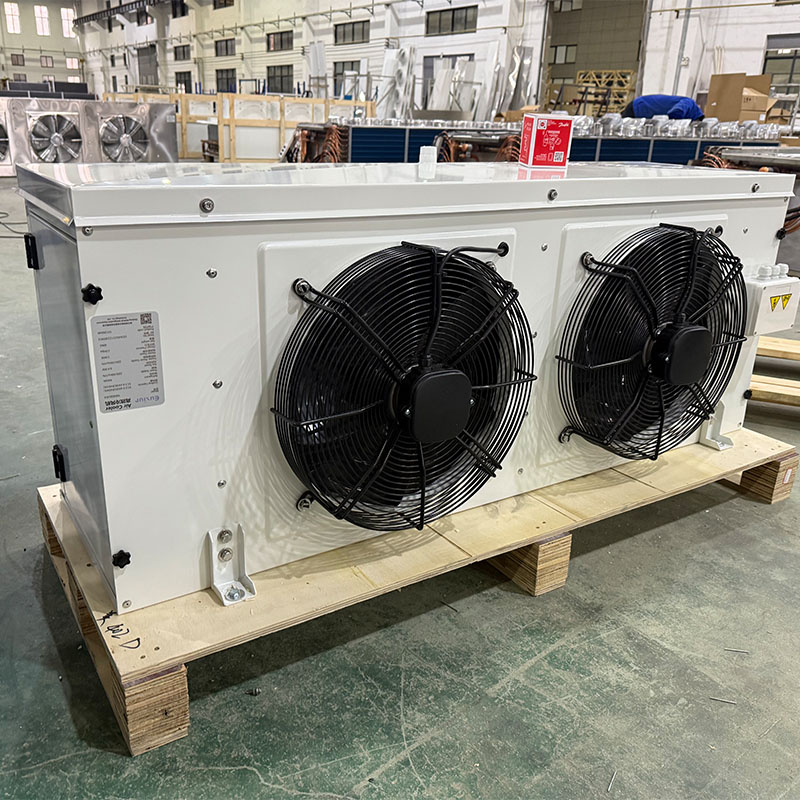
Selecting the right evaporator involves considering several practical factors beyond just technical specifications. Here are key aspects buyers should assess:
Material Quality: The materials used in the evaporator, such as copper for tubing and aluminum for fins, can significantly impact durability and heat transfer efficiency. Corrosion-resistant materials are especially important in environments with high humidity or exposure to cleaning agents.
Energy Efficiency: Look for evaporators with a high Energy Efficiency Ratio (EER) or Seasonal Energy Efficiency Ratio (SEER). These ratings indicate the unit's efficiency, which can lead to reduced operating costs over time.
Customization Options: Depending on specific applications, buyers may require customized evaporator designs. Suppliers that offer options for customization can help ensure the evaporator meets unique operational demands, such as those offered by Invotech Condensing Unit.
Certifications: Verify if the evaporator complies with industry standards such as CE or UL certifications. These certifications can provide assurance of product safety and performance.
By focusing on these elements, buyers can ensure they are investing in an evaporator that not only meets technical requirements but also aligns with operational efficiency and longevity.
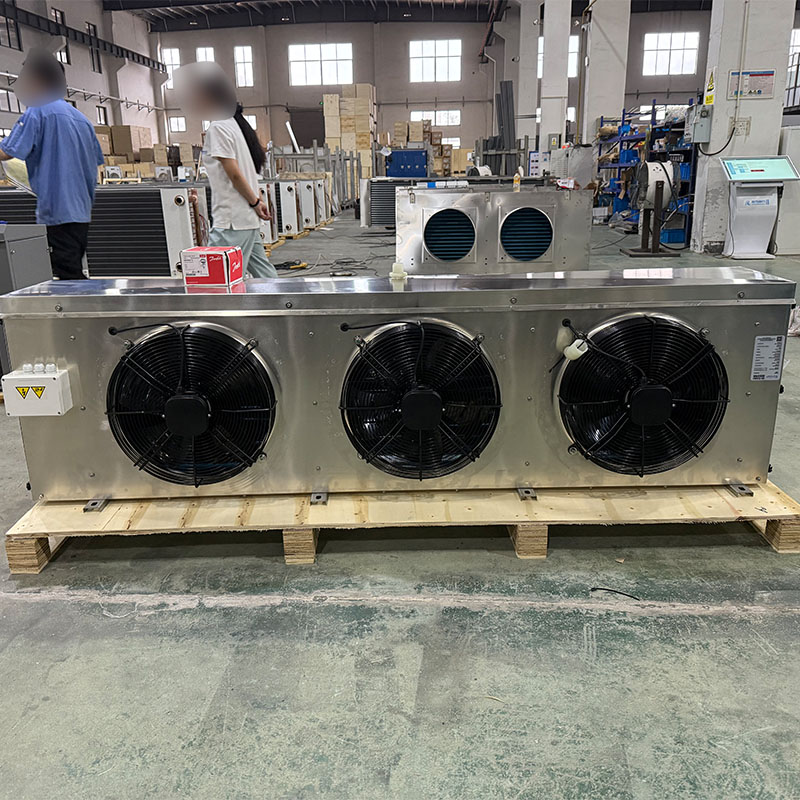
Several cost factors come into play when sourcing evaporators for freezers, including:
Material and Manufacturing Costs: The choice of materials and the complexity of the manufacturing process can significantly affect the final price. For example, copper tubing may be more expensive than aluminum, but it offers better thermal conductivity.
Volume and MOQ (Minimum Order Quantity): Suppliers often have a minimum order quantity that can influence overall costs. Larger orders may afford buyers reduced unit costs, while smaller orders could incur higher per-unit prices.
Shipping and Handling: Costs associated with transportation and logistics should be factored into the total expenditure. Buyers should inquire about shipping options, as well as potential customs duties if sourcing from international suppliers.
Warranty and After-Sales Support: Understanding the warranty period and the level of after-sales support can impact the overall value of the purchase. Suppliers that provide comprehensive support may have higher initial costs but can save buyers money in maintenance and replacements over time.
Being aware of these factors can enable buyers to make more informed decisions and optimize their budgets for purchasing evaporators.
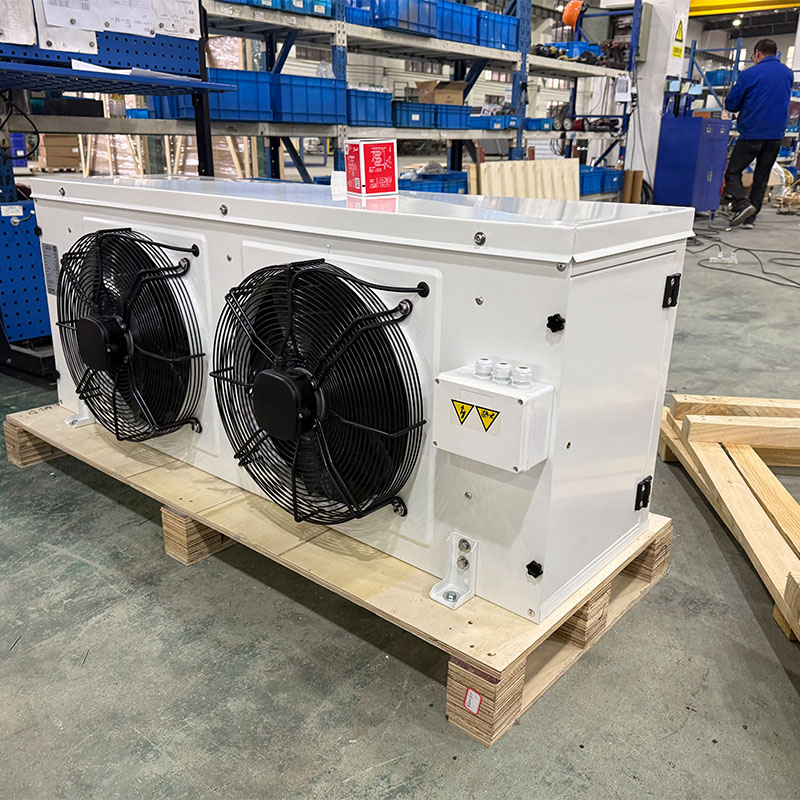
Installing an evaporator in a freezer comes with its own set of challenges that buyers should be prepared for:
Space Limitations: Often, the designated installation area may not accommodate the evaporator's dimensions or layout. Buyers should ensure accurate measurements and consider airflow requirements when designing the installation space.
Compatibility with Existing Systems: An evaporator must be compatible with the freezer's existing refrigeration system. This includes ensuring that the refrigerant type and flow rate match the requirements of both the evaporator and the overall system.
Condensate Drainage: Proper drainage for condensate is essential to prevent water accumulation, which can lead to operational inefficiencies or damage. Buyers should plan for adequate drainage solutions during installation.
Electrical Connections: Ensuring that electrical connections are safely and efficiently made is crucial. Misconnections can lead to equipment failure or hazards.
Anticipating these challenges allows buyers to work closely with installation teams and ensure that the process goes smoothly, ultimately leading to enhanced operational efficiency.
A modern plant of over 4000 square meters is in operation to meet the majority Refrigeration condenser production requirements.
Special docking is available for a complete system of service. It includes creation of plans, Axial fans, landing plans, and after-sales support.
More than 20 years of' experience and an experienced R&D EMTH team.
EMTH EMTH has a solid track record in the field, with over 3,000+ happy customers.

Welcome to EMTH, a cold storage refrigeration equipment specialist in China! We offer innovative and effective cold storage solutions, including cold storage, evaporator, condensing unit and ice machine.
Room 304-305B, Building 5, BESHINE B.P, No. 559Zhuyuan Road, Minhang District 201112, Shanghai, China
Copyright © Shanghai EMTH Import & Export Co., Ltd. All Rights Reserved. - Privacy Policy
 EN
 AR
 BG
 HR
 CS
 DA
 NL
 FI
 FR
 DE
 EL
 IT
 JA
 KO
 NO
 PL
 PT
 RO
 RU
 ES
 TL
 IW
 ID
 LT
 SR
 VI
 HU
 TH
 MS
 AZ
 JW
 LO
 MN
 SO
 MY
 KK
 TG
 UZ
 GD
 XH