In the competitive landscape of industrial refrigeration, a custom cool room can be a game-changer for businesses needing tailored temperature-controlled environments. These specialized spaces are designed to meet the specific requirements of various industries, ensuring that products are stored at optimal conditions. For B2B buyers, the main concerns often include product specifications, quality assurance, customization options, and expert guidance throughout the purchasing process. This article will provide valuable insights into selecting, purchasing, and maintaining custom cool rooms, helping you make informed decisions for your business needs.
Selecting the appropriate custom cool room involves understanding your specific requirements. Key considerations include size, temperature range, and insulation materials. The dimensions of the cool room should accommodate your storage needs while allowing for efficient airflow and temperature regulation. Typically, the thickness of insulation panels affects thermal efficiency and energy costs; a common choice is polyurethane foam due to its excellent insulating properties.
Temperature requirements are crucial, particularly for industries like food and pharmaceuticals, where strict compliance with regulations is necessary. Determine the temperature range needed for your products and confirm that the cool room can maintain these conditions consistently. Additionally, consider humidity control features to prevent spoilage or degradation of sensitive items.
Customization options should also be explored. Many manufacturers, including Shanghai EMTH, offer solutions tailored to specific operational needs, such as modular designs for easy expansion or integration with existing systems. Be sure to communicate your requirements clearly to the manufacturer to ensure the final product matches your expectations. For example, consider integrating an H Type Condensing Units to enhance cooling efficiency.
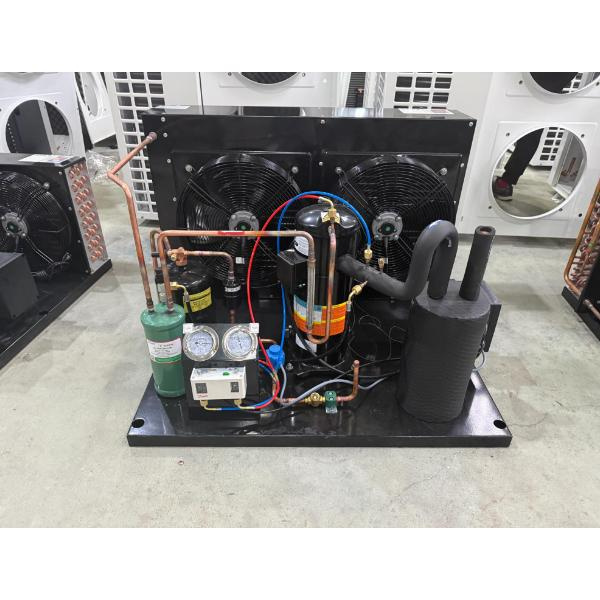
When purchasing custom cool rooms in bulk, it's essential to establish a clear understanding of your needs and budget. Begin by compiling a comprehensive list of specifications, including the number of units required, dimensions, temperature settings, and any additional features such as shelving or lighting.
Requesting quotes from multiple suppliers can provide insight into pricing structures and lead times. Ensure that each supplier offers detailed information on their quality control processes, as this can significantly impact the reliability and lifespan of your cool rooms. Additionally, inquire about the refrigerator spare parts compressors to ensure optimal performance.
It's also advisable to inquire about minimum order quantities (MOQ) and potential discounts for bulk purchases. Suppliers may have flexible pricing structures or promotional offers for larger orders, so it's worth discussing this during negotiations. Lastly, consider the lead time for production and delivery to ensure that your timeline aligns with your operational needs.

Proper installation of custom cool rooms is critical for ensuring optimal performance and longevity. Engage with the manufacturer or a certified installation team to manage this process, as they possess the expertise to handle the complexities involved.
During installation, ensure that the site is prepared according to specifications. This includes verifying that the foundation is level and capable of supporting the weight of the cool room. It's also essential to consider access points for equipment and personnel, as well as adherence to local building codes and regulations.
After installation, conduct a thorough inspection to ensure all components are functioning correctly, including refrigeration units, insulation integrity, and sealing. Regular maintenance checks should be scheduled to identify potential issues early, such as refrigerant leaks or insulation wear, which can compromise performance.
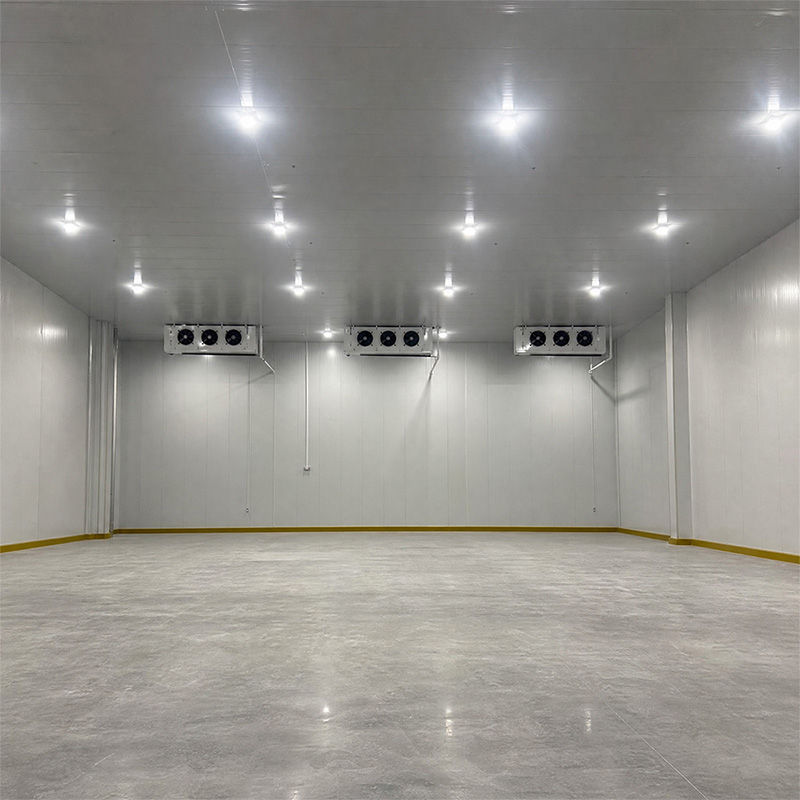
Even with the best planning, issues can arise with custom cool rooms. Common problems include inadequate temperature control, humidity fluctuations, and energy inefficiency.
Inadequate temperature control can often be traced back to poor insulation or malfunctioning refrigeration units. Regular inspections and maintenance can help identify these issues before they escalate. For humidity control, consider installing dehumidifiers or humidity monitoring systems to maintain optimal levels for sensitive products.
Energy inefficiency is another concern, particularly with rising energy costs. Ensure that the cool room is equipped with energy-efficient components, such as LED lighting and high-efficiency condensers. Regularly check seals and insulation for any signs of wear, as leaks can lead to increased energy consumption.
Communication with the manufacturer is essential when troubleshooting these issues. They can provide guidance on best practices for maintenance and may offer warranty services to address any manufacturing defects.
After more than 20 years of expertise, we've got full sales and production and after-sales process with more than 20 patent certificates and a skilled R&D EMTH team.
With a strong reputation in the field and over 3,000+ customers served, EMTH EMTH is a trustworthy known and dependable supplier that has been acknowledged by other clients.
A modern plant of over 4000 square meters is in operation to meet the majority Refrigeration condenser production requirements.
Special docking is available for a complete system of service. It includes creation of plans, Ice cube machine, landing plans, and after-sales support.

Welcome to EMTH, a cold storage refrigeration equipment specialist in China! We offer innovative and effective cold storage solutions, including cold storage, evaporator, condensing unit and ice machine.
Room 304-305B, Building 5, BESHINE B.P, No. 559Zhuyuan Road, Minhang District 201112, Shanghai, China
Copyright © Shanghai EMTH Import & Export Co., Ltd. All Rights Reserved. - Privacy Policy
 EN
 AR
 BG
 HR
 CS
 DA
 NL
 FI
 FR
 DE
 EL
 IT
 JA
 KO
 NO
 PL
 PT
 RO
 RU
 ES
 TL
 IW
 ID
 LT
 SR
 VI
 HU
 TH
 MS
 AZ
 JW
 LO
 MN
 SO
 MY
 KK
 TG
 UZ
 GD
 XH