Condensing units are essential components in refrigeration systems, providing the means to transfer heat from the refrigerant to the surrounding environment. For B2B buyers, particularly purchasing managers, engineers, and distributors, understanding the right condensing unit for your specific needs is crucial. This article aims to guide you through the selection process, key specifications, quality evaluation, common issues, and the material advantages of our condensing units, ultimately helping you make an informed purchasing decision.
When selecting a condensing unit, consider your specific application requirements such as cooling capacity, efficiency, and space constraints. The cooling capacity is typically measured in BTUs or tons, and it must match the needs of your system for optimal performance. Additionally, efficiency ratings, such as the Energy Efficiency Ratio (EER) or Seasonal Energy Efficiency Ratio (SEER), are important factors that impact operational costs. For instance, using a Bitzer Condensing Unit can enhance efficiency due to its advanced technology.
It's also essential to evaluate the physical dimensions of the unit, ensuring it fits within your designated space. Some units may require additional clearance for airflow, which should be factored into your planning. Furthermore, consider the refrigerant type used in the condensing unit. Different refrigerants have varying environmental impacts and efficiency levels, influencing your long-term operational costs and compliance with regulations.
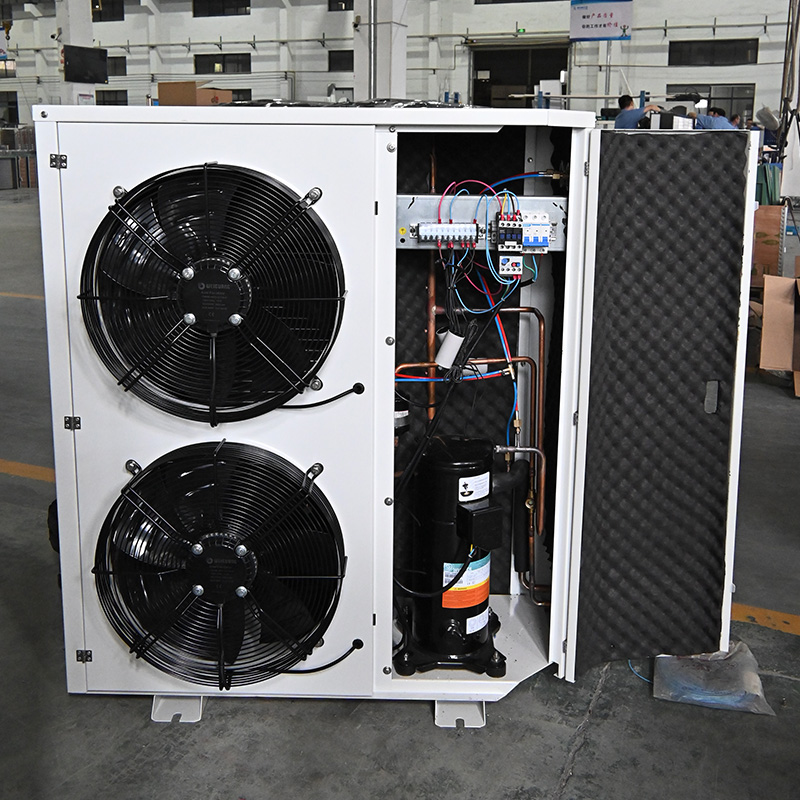
When sourcing condensing units, several key specifications should be evaluated:
Cooling Capacity: Ensure that the unit can meet the demands of your refrigeration system without excessive energy consumption.
Compressor Type: Different compressors (scroll, reciprocating, or screw) offer various benefits in terms of efficiency, maintenance, and noise levels. Choose a compressor that aligns with your operational priorities.
Refrigerant Compatibility: Verify that the unit is designed for the refrigerant you intend to use, as this affects both performance and compliance with environmental regulations.
Operating Conditions: Assess the ambient temperature range and humidity levels in which the condensing unit will operate to ensure reliable performance.
Electrical Specifications: Confirm the voltage and phase requirements to avoid compatibility issues with your existing infrastructure.
Control System: Advanced control systems can enhance operational efficiency and monitoring capabilities. Consider whether integration with existing systems is necessary.
Each of these specifications plays a critical role in ensuring that the condensing unit operates effectively and efficiently in your application.
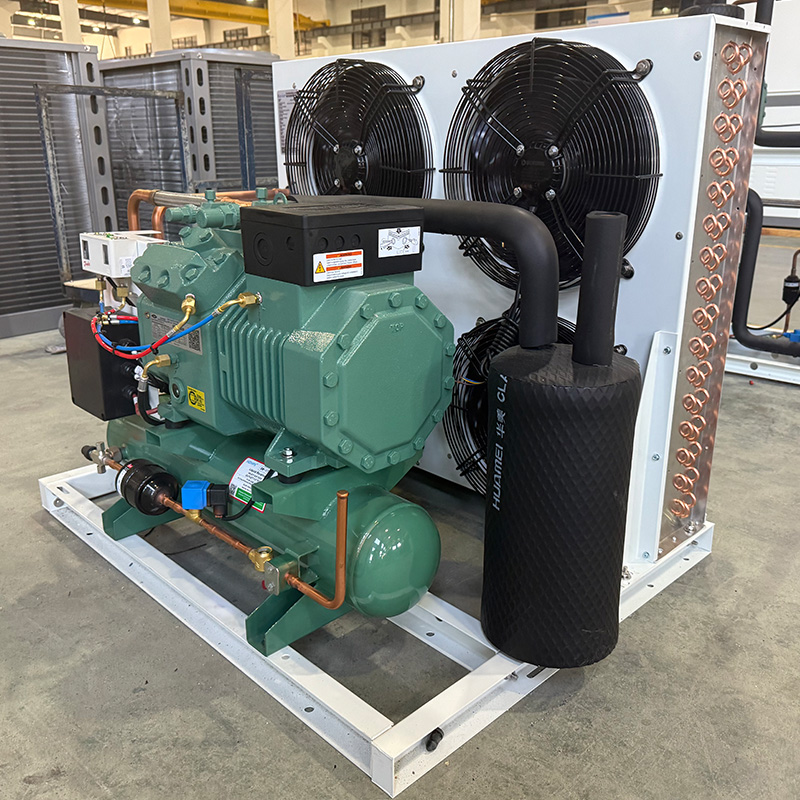
Quality evaluation of condensing units involves assessing both the manufacturing processes and the end product. Start by reviewing the manufacturer's quality control systems and certifications. A reputable manufacturer, like Shanghai EMTH, often implements stringent quality assurance measures at various production stages, from material selection to final assembly.
Requesting product samples is also advisable. This allows for hands-on inspection of the unit's build quality, including welds, seals, and overall finish. Pay attention to the materials used, as high-quality components can significantly enhance durability and performance. For example, our Compressor for Refrigeration Tools and Equipment is designed with these considerations in mind.
Additionally, consider the warranty and after-sales support offered by the manufacturer. A robust warranty policy often indicates confidence in the product's reliability, while strong customer support can assist in resolving any issues that may arise during operation.
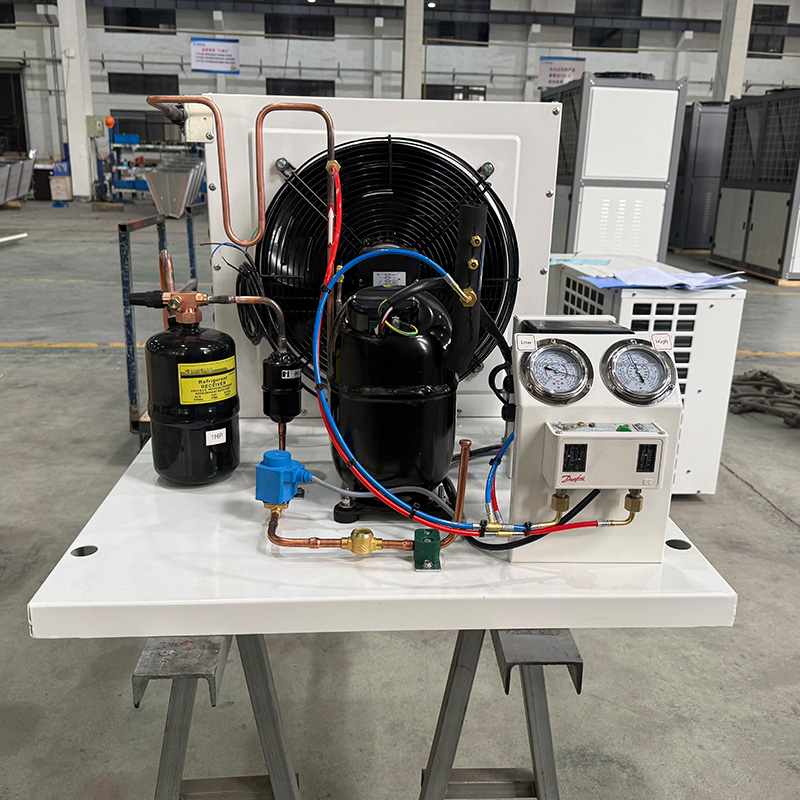
Understanding common issues with condensing units can help you troubleshoot effectively. Some frequent problems include:
Overheating: This can occur due to inadequate airflow or blocked coils. Regular maintenance, including cleaning the coils and ensuring proper ventilation, is essential to prevent overheating.
Refrigerant Leaks: Leaks can lead to reduced efficiency and increased operating costs. Regular inspections for signs of oil stains or frost can help identify leaks early.
Faulty Electrical Components: Issues such as tripped breakers or burned-out fuses may indicate electrical problems. Ensure that all electrical connections are secure and that the appropriate fuses are used.
Noise Issues: Excessive noise can stem from loose components or worn-out parts. Routine maintenance checks can help identify and rectify these issues before they escalate.
By being aware of these potential problems and addressing them proactively, you can extend the lifespan of your condensing units and improve overall system performance.
A modern facility of more than 40,000 square meters is available to meet the majority of EMTH requirements.
With a strong reputation in the field and over 3,000+ customers served, EMTH EMTH is a trustworthy known and dependable supplier that has been acknowledged by other clients.
With more than 20 years of knowledge, we've developed a a complete production and sales and after-sales system with more than 20 patent certificates and a highly skilled R&D EMTH team.
Special docking is offered for a complete service. This includes the design of Coldrooms, production installation, landing projects, and after-sales support.

Welcome to EMTH, a cold storage refrigeration equipment specialist in China! We offer innovative and effective cold storage solutions, including cold storage, evaporator, condensing unit and ice machine.
Room 304-305B, Building 5, BESHINE B.P, No. 559Zhuyuan Road, Minhang District 201112, Shanghai, China
Copyright © Shanghai EMTH Import & Export Co., Ltd. All Rights Reserved. - Privacy Policy
 EN
 AR
 BG
 HR
 CS
 DA
 NL
 FI
 FR
 DE
 EL
 IT
 JA
 KO
 NO
 PL
 PT
 RO
 RU
 ES
 TL
 IW
 ID
 LT
 SR
 VI
 HU
 TH
 MS
 AZ
 JW
 LO
 MN
 SO
 MY
 KK
 TG
 UZ
 GD
 XH