Choosing the right condenser type is crucial for the efficiency and effectiveness of refrigeration systems. With various options available, each designed for specific applications, B2B buyers, including purchasing managers and engineers, need to carefully consider their unique requirements. This article will help you navigate the complexities of condenser types, addressing key concerns such as selection criteria, common issues, cost factors, and application suitability.
Selecting the appropriate condenser type involves understanding several critical factors. First, consider the application environment, including temperature ranges and humidity levels. Different condensers operate more effectively under specific conditions; for instance, air-cooled condensers are often used in environments where water availability is limited, while water-cooled models are more efficient in large industrial setups.
Next, evaluate the capacity requirements. The condenser must match the cooling load of your system. Oversizing can lead to inefficiencies and increased operational costs, while undersizing may fail to provide adequate cooling. Additionally, consider the materials used in the condenser’s construction. Corrosion-resistant materials, like stainless steel or coated metals, are essential for environments with high humidity or exposure to chemicals. For example, the YH Type Condenser is designed with such materials to enhance durability.
Lastly, assess the installation and maintenance requirements. Some condenser types require more intensive maintenance protocols, which can affect operational downtime. Understanding these factors will help you select a condenser that aligns with your operational goals and maintenance capabilities.
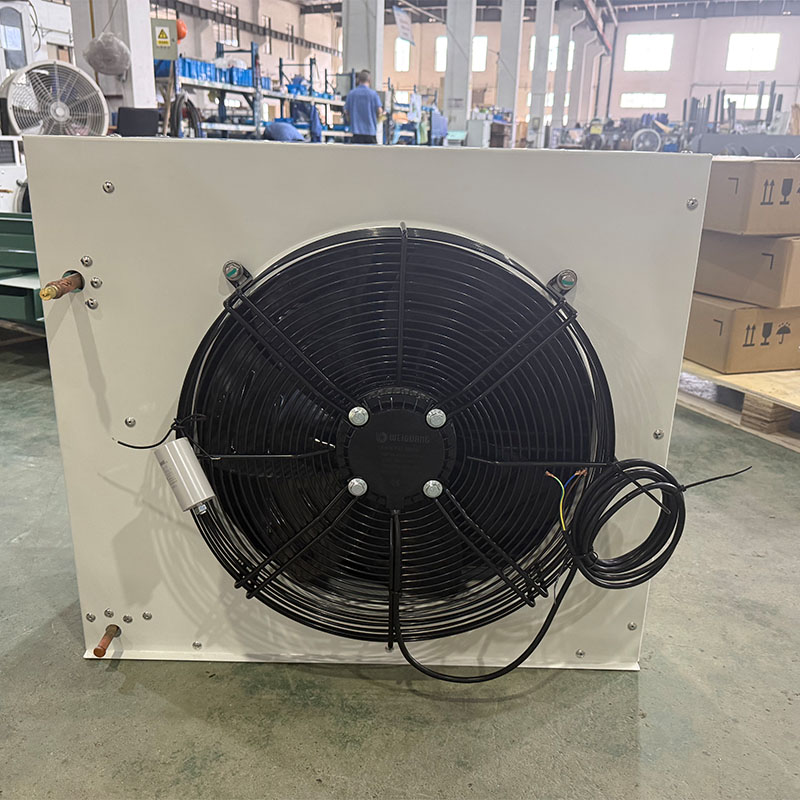
The best condenser type for your needs largely depends on the specific application and operational requirements. For example:
Air-Cooled Condensers: Ideal for smaller applications or locations without access to water. They are easier to install and require less maintenance but can be less efficient in high ambient temperatures.
Water-Cooled Condensers: Suitable for larger refrigeration systems, particularly in industrial settings. They offer higher efficiency and are often used in centralized cooling systems. However, they require a reliable water source, adding to operational costs.
Evaporative Condensers: These combine air and water cooling methods, making them effective for large-scale applications. They can significantly reduce energy consumption, but their installation and maintenance can be more complex.
Shell and Tube: This type is commonly used in industrial applications for its durability and high heat exchange efficiency. They require accurate sizing to match the cooling needs. Consider options like the Invotech Condensing Unit for reliable performance.
When choosing, consider factors such as space availability, energy efficiency, and long-term operational costs. Consulting with a manufacturer can provide tailored recommendations based on your specific needs.
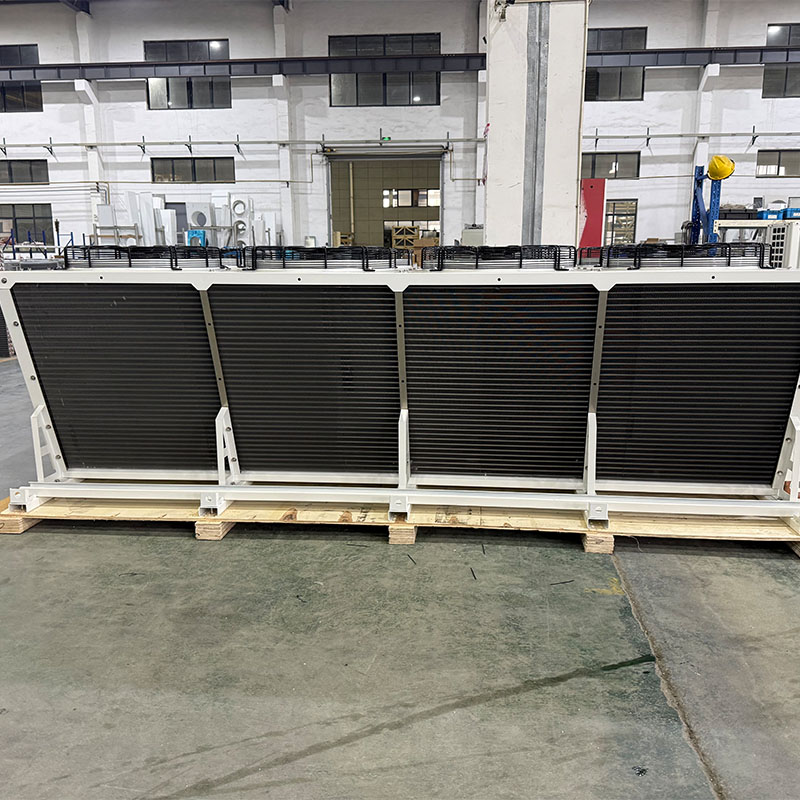
Despite their essential role, condensers can experience several issues that may disrupt operations. Common problems include:
Inefficient Cooling: This can result from improper sizing, dirty coils, or inadequate airflow. Regular maintenance and cleaning can mitigate these issues. Buyers should implement a maintenance schedule to ensure optimal performance.
Corrosion: In environments with high humidity or exposure to corrosive substances, condensers can deteriorate quickly. Selecting corrosion-resistant materials and finishes can significantly enhance the lifespan of the unit.
Noise: Air-cooled condensers can generate significant noise, which may be a concern in residential or noise-sensitive areas. Opting for models designed for lower noise output can alleviate this issue.
Ice Formation: In colder climates or during low-load conditions, ice can form on the condenser coils, reducing efficiency. Implementing a defrost cycle or selecting a model designed for such conditions can help address this problem.
Buyers should conduct periodic inspections and engage in preventive maintenance practices to identify and rectify these issues before they escalate.
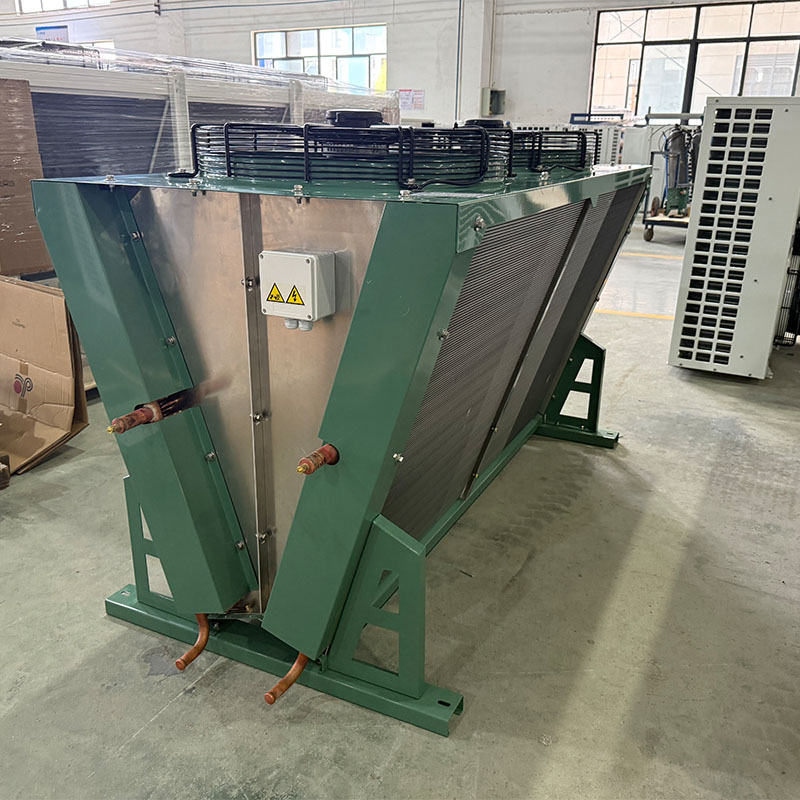
When purchasing condensers in bulk, various cost factors must be taken into account to ensure a sound investment. First, consider the initial purchase price, which can vary significantly between different types and models. While air-cooled condensers may have a lower upfront cost, water-cooled options often provide better long-term efficiencies, potentially lowering operational costs.
Next, evaluate installation costs. Some condenser types may require specialized installation, leading to higher labor expenses. Additionally, consider the operational costs, including energy consumption and maintenance. Selecting energy-efficient models like the Refcomp Condensing Unit can lead to substantial savings over time.
Finally, assess the lead time and supply chain stability. Longer lead times can affect project timelines, while supply chain disruptions can lead to additional costs. Engaging with a reliable manufacturer can help mitigate these risks.
More than 20 years of of experience and a professional R&D EMTH staff.
With a good name in the industry, with over 3,000+ clients serviced, EMTH EMTH is a trustworthy established supplier that is praised by its clients.
Special docking is available for a complete system of service. It includes creation of plans, Axial fans, landing plans, and after-sales support.
A modern factory of over 40000 square meters is in place to satisfy the majority of Condensing units requirements.

Welcome to EMTH, a cold storage refrigeration equipment specialist in China! We offer innovative and effective cold storage solutions, including cold storage, evaporator, condensing unit and ice machine.
Room 304-305B, Building 5, BESHINE B.P, No. 559Zhuyuan Road, Minhang District 201112, Shanghai, China
Copyright © Shanghai EMTH Import & Export Co., Ltd. All Rights Reserved. - Privacy Policy
 EN
 AR
 BG
 HR
 CS
 DA
 NL
 FI
 FR
 DE
 EL
 IT
 JA
 KO
 NO
 PL
 PT
 RO
 RU
 ES
 TL
 IW
 ID
 LT
 SR
 VI
 HU
 TH
 MS
 AZ
 JW
 LO
 MN
 SO
 MY
 KK
 TG
 UZ
 GD
 XH