Condensers for coolers play a crucial role in industrial refrigeration systems, ensuring efficient cooling by dissipating heat. As a purchasing manager or engineer, understanding the specifications, applications, and installation guidelines for condensers is vital to making informed decisions. This article will guide you through the key aspects of selecting the right condenser for your cooling needs, addressing common issues, and providing practical tips for installation and selection.
When evaluating condensers for coolers, it's essential to compare several specifications to find the right fit for your application. Key specifications include:
Cooling Capacity: Measured in BTUs or kW, this indicates how much heat the condenser can remove from the cooling medium. Ensure that the capacity matches your cooling requirements to avoid inefficiencies or equipment failure.
Material: Condensers are typically made from materials such as copper, aluminum, or stainless steel. Copper provides excellent thermal conductivity but may not be suitable for all environments, while aluminum is lightweight and resistant to corrosion. Stainless steel is durable and ideal for harsh conditions but may be more expensive.
Size and Dimensions: The physical dimensions of the condenser are crucial for installation. Ensure that the condenser fits within your designated space and allows for proper airflow and maintenance access.
Pressure Ratings: Condensers must operate safely within specific pressure ranges. Confirm the maximum allowable working pressure (MAWP) to ensure compatibility with your system.
Efficiency Ratings: Look for condensers with high energy efficiency ratings. This not only reduces operational costs but also minimizes environmental impact.
Understanding these specifications helps you assess how different condensers will perform in your specific application, ensuring optimal efficiency and reliability.
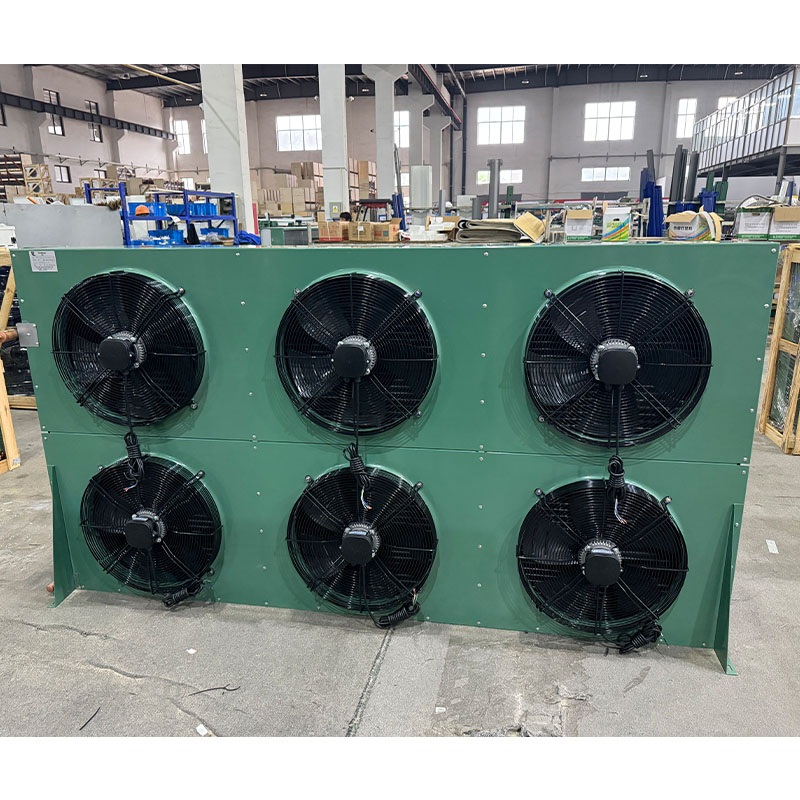
Condensers are utilized in a variety of industrial cooling applications. Some of the top applications include:
Refrigerated Warehousing: In cold storage facilities, condensers are essential for maintaining low temperatures. They support the efficient functioning of refrigeration units, which are critical for preserving perishable goods. For instance, Cold Room solutions often rely on these condensers for effective temperature control.
Food and Beverage Processing: In the food industry, condensers help regulate temperatures during processing, storage, and transportation. They ensure that products remain safe and fresh, complying with health and safety regulations.
HVAC Systems: In commercial buildings, condensers are part of HVAC systems, providing climate control for comfortable working environments. They help regulate indoor temperatures and improve air quality.
Pharmaceutical Manufacturing: Precise temperature control is crucial in pharmaceutical production. Condensers play a significant role in maintaining the integrity of sensitive materials and ensuring compliance with industry standards. The H Type Condensing Units are particularly effective in these settings.
Understanding the specific applications of condensers helps buyers tailor their choices to meet the unique demands of their industry.
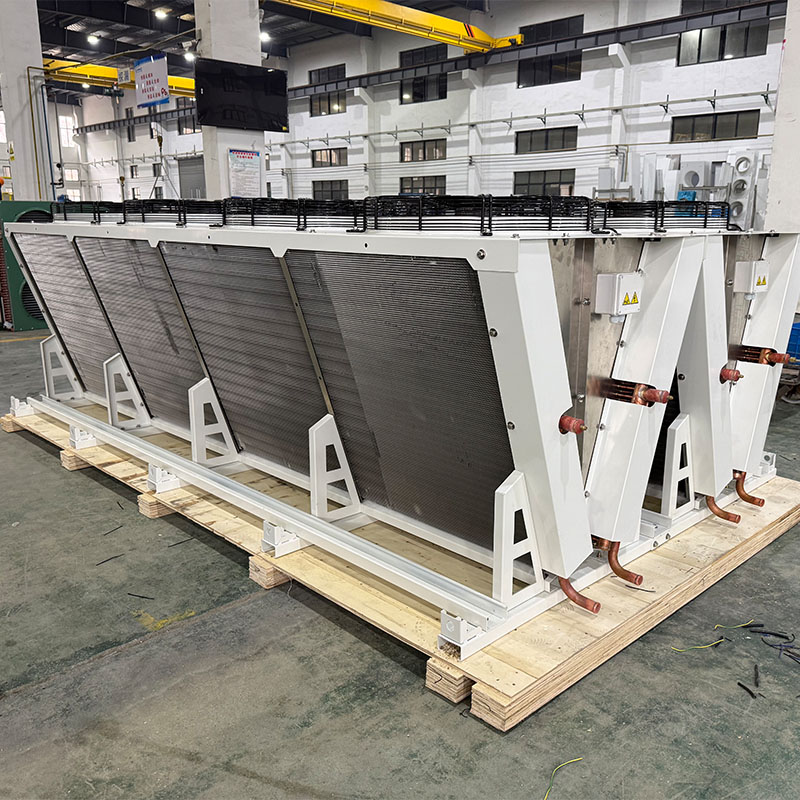
While condensers are generally reliable, they can encounter several common problems. Being aware of these issues can help you take preventive measures:
Refrigerant Leaks: These can lead to inefficiencies and environmental concerns. Regularly inspect connections and joints for signs of wear or damage. Employing pressure testing can help identify leaks before they become severe.
Overheating: Condensers can overheat due to insufficient airflow or excessive ambient temperatures. Ensure that the condenser is adequately ventilated and not obstructed by debris or other equipment. Additionally, verify that the condenser is sized correctly for the application.
Fouling: Dust and debris can accumulate on the condenser coils, reducing efficiency. Regular cleaning and maintenance are necessary to keep the coils free from obstructions.
Corrosion: Depending on the environment, condensers can be susceptible to corrosion. Selecting the appropriate materials and applying protective coatings can help mitigate this risk.
By proactively addressing these potential issues, you can enhance the longevity and performance of your condensers.
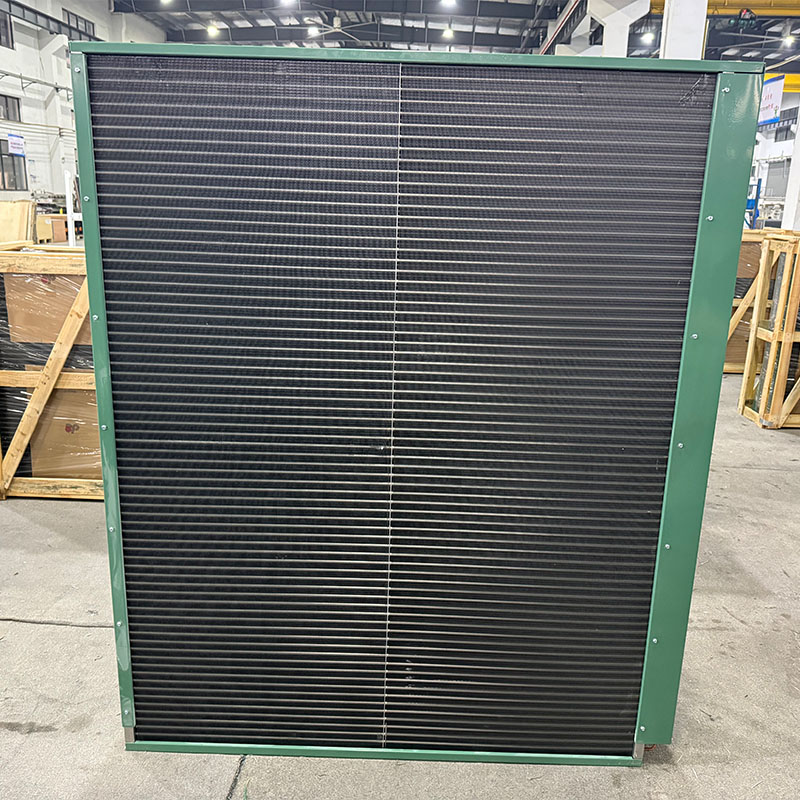
Proper installation is critical for maximizing the performance of condensers in refrigeration systems. Here are some essential guidelines to follow:
Location: Install the condenser in a well-ventilated area, away from heat sources and obstructions. Ensure that the unit has sufficient clearance to allow for proper airflow.
Mounting: Securely mount the condenser to minimize vibration and noise. Use appropriate mounting hardware and follow the manufacturer's specifications.
Connection: Ensure that all refrigerant lines are properly connected and insulated. Verify that the connections are tight to prevent leaks.
Testing: After installation, conduct a thorough performance test. Check for leaks, monitor pressure levels, and ensure that the system operates within specified parameters.
By adhering to these guidelines, you can ensure a successful installation that optimizes the performance of your condenser.
More than 20 years of' experience and an experienced EMTH R&D staff.
Special docking is offered for a complete service. This includes the design of Coldrooms, production installation, landing projects, and after-sales support.
With a great reputation in the business and over 3,000+ clients that they have served, EMTH EMTH is a trustworthy established supplier that is praised by its clients.
A modern plant of over 4000 square meters is in operation to meet the majority Refrigeration condenser production requirements.

Welcome to EMTH, a cold storage refrigeration equipment specialist in China! We offer innovative and effective cold storage solutions, including cold storage, evaporator, condensing unit and ice machine.
Room 304-305B, Building 5, BESHINE B.P, No. 559Zhuyuan Road, Minhang District 201112, Shanghai, China
Copyright © Shanghai EMTH Import & Export Co., Ltd. All Rights Reserved. - Privacy Policy
 EN
 AR
 BG
 HR
 CS
 DA
 NL
 FI
 FR
 DE
 EL
 IT
 JA
 KO
 NO
 PL
 PT
 RO
 RU
 ES
 TL
 IW
 ID
 LT
 SR
 VI
 HU
 TH
 MS
 AZ
 JW
 LO
 MN
 SO
 MY
 KK
 TG
 UZ
 GD
 XH