A compressor unit is a crucial component in refrigeration systems, responsible for compressing refrigerant gas to facilitate heat exchange and cooling. For B2B buyers, concerns often center around reliability, efficiency, installation issues, and quality assurance. This article will help you navigate the complexities of selecting, installing, and maintaining a compressor unit, addressing common buyer questions and providing valuable insights into the manufacturing process.
When searching for reliable wholesale suppliers of compressor units, it’s essential to consider several key factors. Start by exploring manufacturers with a proven track record in the refrigeration equipment industry. Look for suppliers who have accumulated significant experience, such as Shanghai EMTH, a branch of Zhejiang RUIXUE, specializing in refrigeration equipment manufacturing for over 20 years.
Trade shows and industry exhibitions are also excellent venues to meet potential suppliers face-to-face and assess their product offerings firsthand. Online marketplaces and industry directories can provide valuable leads, but always verify the credibility of the suppliers by checking their certifications, customer reviews, and industry reputation.
Before finalizing any agreements, request samples to evaluate the product quality and compatibility with your specific application. This step helps ensure that the compressor unit will meet your operational requirements and performance expectations.
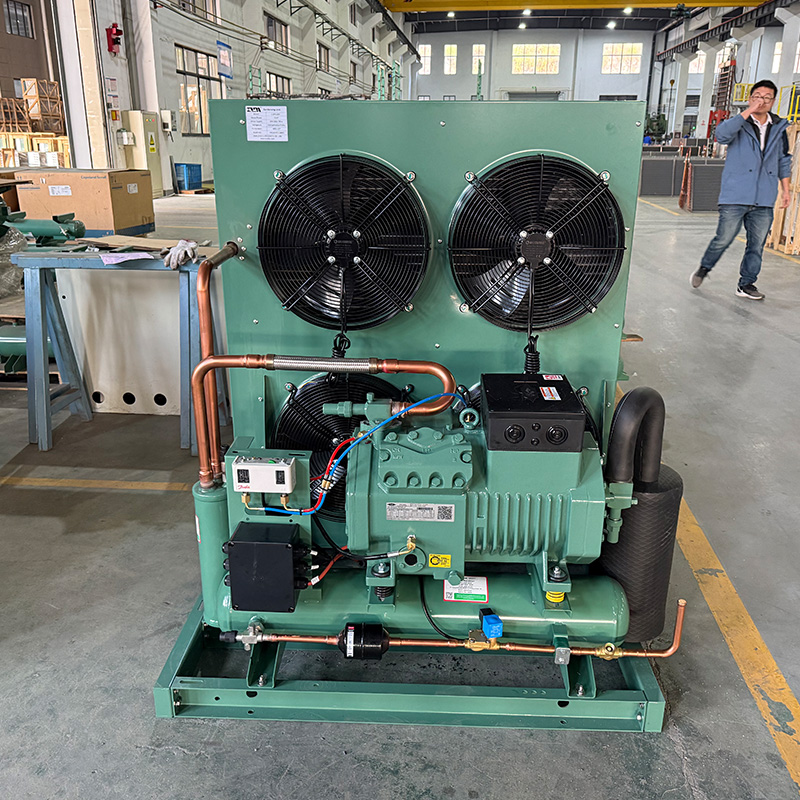
Installing a compressor unit can present various challenges that may affect its performance and longevity. One common issue is inadequate ventilation, which can lead to overheating. To mitigate this, ensure that the installation area has sufficient airflow and that the compressor is not obstructed by nearby equipment or structures.
Another frequent problem is incorrect electrical connections, which can cause operational failures. It’s crucial to follow the manufacturer's wiring diagrams and adhere to local electrical codes. Additionally, ensuring proper grounding is vital to prevent any electrical hazards.
Vibration and noise can also be issues during installation. Using vibration isolation pads can help minimize these nuisances, protecting both the compressor unit and surrounding equipment from potential damage.
Lastly, improper refrigerant charging can lead to inefficient cooling or even compressor failure. Always refer to the manufacturer’s specifications for correct refrigerant levels and ensure that the system is thoroughly checked before operation.
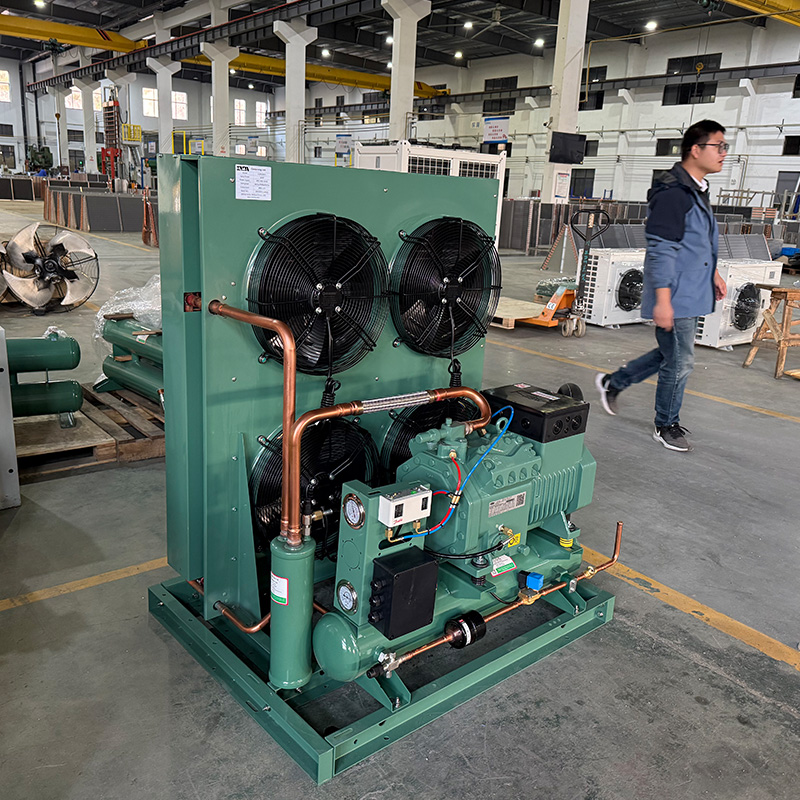
Quality control is paramount in the manufacturing of compressor units, as even minor defects can compromise performance and reliability. At Shanghai EMTH, rigorous quality control processes are implemented throughout production. This includes meticulous inspection of raw materials and components, ensuring they meet industry standards and specifications.
During the assembly process, each compressor unit undergoes a series of tests, including pressure testing and performance evaluations, to identify any potential issues before the unit is shipped. Additionally, manufacturers often employ statistical process control (SPC) techniques to monitor production processes continuously and identify any deviations from quality benchmarks.
Certification from recognized industry standards, such as ISO 9001, can indicate a supplier's commitment to maintaining high-quality manufacturing practices. Buyers should always inquire about the quality control measures in place and request documentation that supports compliance with relevant standards.
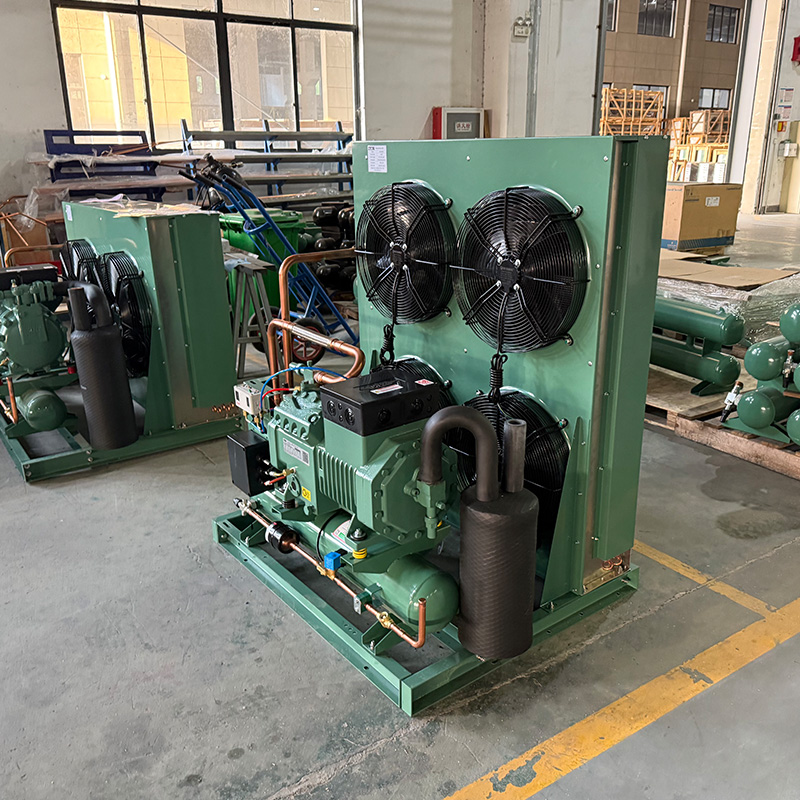
Compressor units find applications across a diverse range of industries, each with specific requirements. In the food and beverage sector, for instance, they are integral to refrigeration systems that preserve perishable goods, ensuring temperature consistency to prevent spoilage.
In the pharmaceutical industry, compressor units play a critical role in maintaining controlled environments for storing sensitive medications and vaccines, where temperature fluctuations can lead to efficacy loss. Similarly, in the HVAC industry, these units are essential for both residential and commercial climate control systems, providing efficient cooling and heating.
Moreover, in industrial manufacturing environments, compressor units are used in processes such as spray painting and chemical processing, where precise temperature management is essential. Understanding the specific requirements of your industry will help you select the right compressor unit tailored to your operational needs.
Special docking is available for a complete system of service. It includes creation of plans, Ice cube machine, landing plans, and after-sales support.
A modern facility of more than 40,000 square meters is available to meet the majority of EMTH requirements.
With a strong reputation in the field and over 3,000+ customers served, EMTH EMTH is a trustworthy known and dependable supplier that has been acknowledged by other clients.
Over 20 years of experience, we have the complete sales and after-sales systems with more than 20 patents and a professional R&D EMTH team.

Welcome to EMTH, a cold storage refrigeration equipment specialist in China! We offer innovative and effective cold storage solutions, including cold storage, evaporator, condensing unit and ice machine.
Room 304-305B, Building 5, BESHINE B.P, No. 559Zhuyuan Road, Minhang District 201112, Shanghai, China
Copyright © Shanghai EMTH Import & Export Co., Ltd. All Rights Reserved. - Privacy Policy
 EN
 AR
 BG
 HR
 CS
 DA
 NL
 FI
 FR
 DE
 EL
 IT
 JA
 KO
 NO
 PL
 PT
 RO
 RU
 ES
 TL
 IW
 ID
 LT
 SR
 VI
 HU
 TH
 MS
 AZ
 JW
 LO
 MN
 SO
 MY
 KK
 TG
 UZ
 GD
 XH