In the world of refrigeration, compressors and evaporators play critical roles in maintaining temperature control across various applications. Understanding how these components function, their specifications, and how to evaluate potential suppliers is essential for purchasing managers, engineers, and product managers. This article will delve into the key specifications to consider when assessing compressors and evaporators, offer guidance on finding reliable suppliers, discuss common issues and their solutions, explore the best applications for these components, and explain the material advantages of our products.
When evaluating compressors and evaporators, several key specifications should be at the forefront of your assessment.
Capacity: This is often measured in BTUs (British Thermal Units) or tons and indicates how much heat the units can remove from a space. It is crucial to match the capacity to the specific cooling load of your application to ensure efficiency.
Efficiency Ratings: Look for energy efficiency ratings such as EER (Energy Efficiency Ratio) or SEER (Seasonal Energy Efficiency Ratio). Higher ratings indicate more efficient operation, which can lead to lower operational costs over time.
Operating Range: The temperature and pressure ranges that a compressor or evaporator can handle are vital. Ensure that these specifications align with your operational needs to avoid equipment failure.
Material Composition: The materials used in construction impact durability and performance. For example, corrosion-resistant materials are essential in humid or harsh environments to extend the lifespan of the equipment.
Noise Levels: For applications like commercial refrigeration in restaurants or retail, noise levels can be a concern. Specifications should include sound ratings to help buyers select quieter models if necessary.
Control Mechanisms: Modern compressors and evaporators may feature advanced control systems like variable speed drives, which enhance efficiency and adaptability to changing load conditions.
Buyers should carefully assess these specifications to ensure that the selected products meet their unique operational requirements and industry standards.
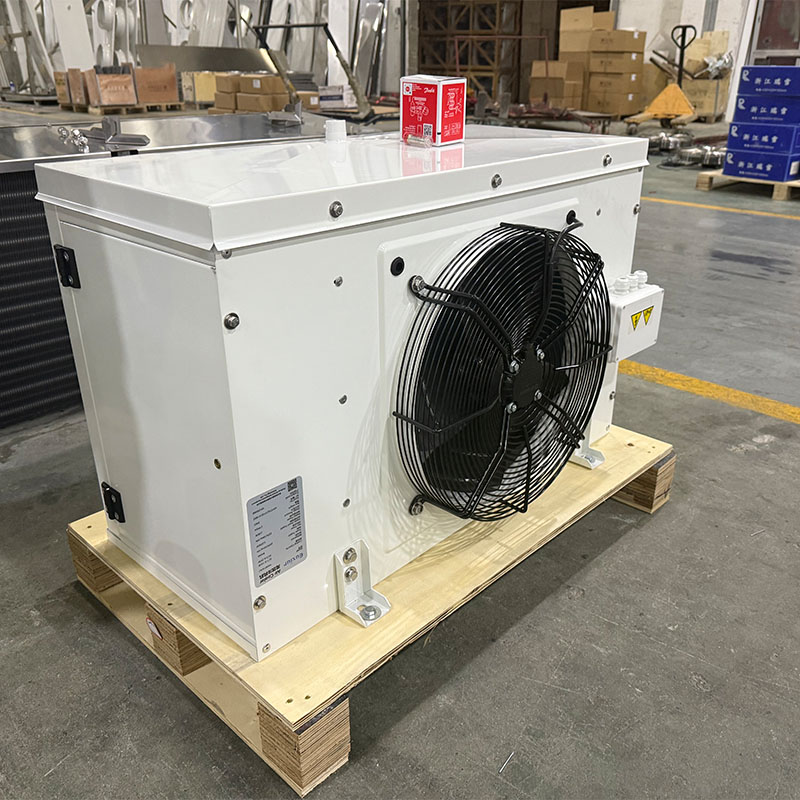
Identifying trustworthy suppliers for compressors and evaporators is crucial for ensuring product quality and consistency. Here are several strategies to consider:
Industry Experience: Look for suppliers with a proven track record in manufacturing refrigeration equipment. Companies with over 20 years of experience, like Shanghai EMTH, typically possess the knowledge and expertise to deliver high-quality products.
Certifications: Verify that the supplier holds relevant industry certifications, which can indicate adherence to quality and safety standards. This is particularly important for international trade.
Product Range and Customization: A supplier that offers a variety of products, including customization options, can better meet specific needs. Consider whether they can tailor solutions based on your operational requirements.
Quality Control Processes: Inquire about the supplier's quality assurance practices. A robust quality control process ensures that every unit meets the specified standards before it is shipped.
Customer Support and After-Sales Service: Reliable suppliers should provide comprehensive support, including installation guidance, maintenance tips, and responsive customer service for troubleshooting issues.
References and Reviews: Seek testimonials or reviews from previous customers. Positive feedback can provide insights into the supplier's reliability and product performance.
By prioritizing these factors, buyers can identify suppliers that will deliver not only quality products but also valuable partnership support.
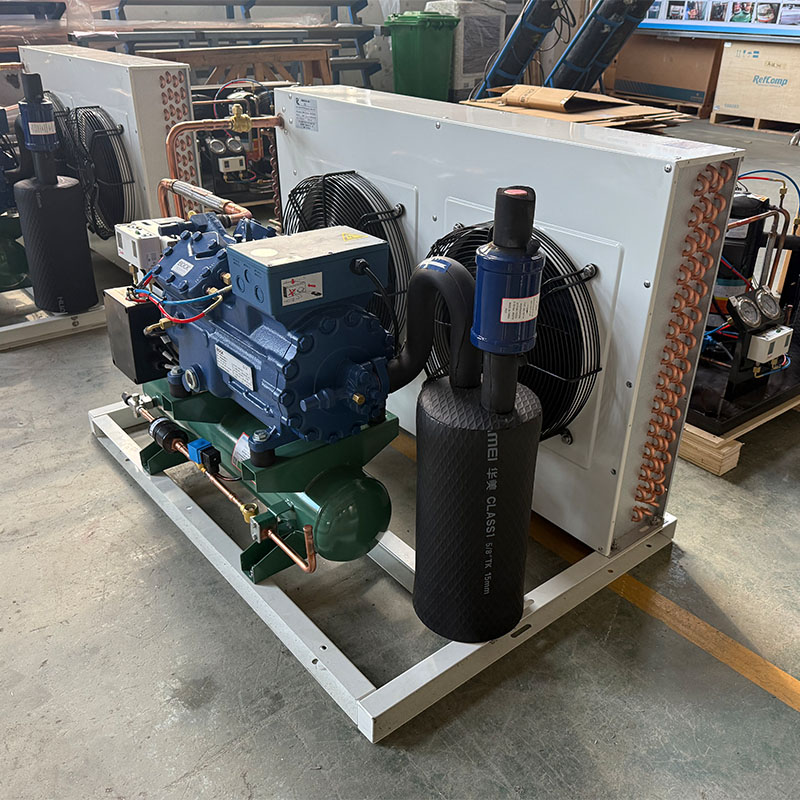
Understanding potential issues with compressors and evaporators can help buyers mitigate risks and ensure optimal performance. Here are some common problems and suggested solutions:
Refrigerant Leaks: One of the most frequent issues is refrigerant leaks, which can lead to decreased efficiency and system failure. Regular inspections and maintenance are essential to identify leaks early. If detected, repairs should be performed by qualified technicians to ensure proper handling of refrigerants.
Overheating: Compressors can overheat due to insufficient airflow, blocked condenser coils, or low refrigerant levels. Regular cleaning and maintenance, along with monitoring operating conditions, can prevent overheating. Buyers should ensure that the installation allows for adequate airflow.
Noise and Vibration: Excessive noise or vibration can indicate mechanical issues or improper installation. Buyers should check for loose components or misalignment during installation and conduct routine checks to maintain operational integrity.
Electrical Failures: Electrical issues can arise due to poor wiring, incorrect power supply, or component failures. Ensuring proper electrical installations and using components that meet the necessary electrical specifications can help minimize these risks.
Defrosting Problems: Evaporators may experience frost buildup, which affects performance. Implementing an appropriate defrost cycle and ensuring that the system is correctly sized for the application can help address this issue.
By proactively addressing these common problems, buyers can minimize downtime and maintain efficient operations in their refrigeration systems.
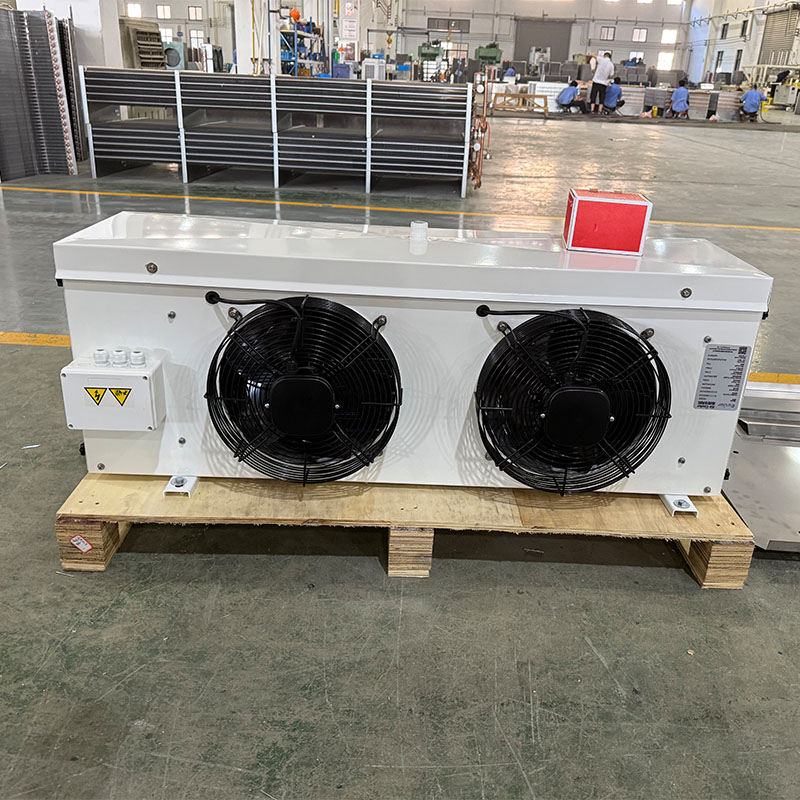
Compressors and evaporators are versatile components used across numerous industries. Here are some of the most common applications:
Food and Beverage: In the food industry, compressors and evaporators are essential for refrigeration systems in supermarkets, restaurants, and food processing facilities. They help maintain optimal temperatures for food safety and quality.
Pharmaceuticals: In the pharmaceutical sector, precise temperature control is critical for the storage of medications and vaccines. Specialized refrigeration systems ensure that these products remain effective and safe for use.
HVAC Systems: Compressors and evaporators are integral to heating, ventilation, and air conditioning (HVAC) systems, providing climate control for commercial and residential buildings.
Cold Storage Facilities: For businesses that rely on cold storage, such as logistics and distribution centers, reliable refrigeration systems are crucial for preserving perishable goods.
Industrial Applications: Various manufacturing processes require temperature control, making compressors and evaporators vital in industries such as chemical processing and metal fabrication.
Understanding the specific applications for compressors and evaporators can guide buyers in selecting the right products for their needs.
With a good name in the industry, with over 3,000+ clients serviced, EMTH EMTH is a trustworthy established supplier that is praised by its clients.
More than 20 years of' experience and an experienced R&D EMTH team.
A modern factory of over 40000 square meters is in place to meet the majority of the EMTH production needs.
Complete service program, from formulating of plans to the production and Ice maker for under counter, to after-sales service, there are specific docking.

Welcome to EMTH, a cold storage refrigeration equipment specialist in China! We offer innovative and effective cold storage solutions, including cold storage, evaporator, condensing unit and ice machine.
Room 304-305B, Building 5, BESHINE B.P, No. 559Zhuyuan Road, Minhang District 201112, Shanghai, China
Copyright © Shanghai EMTH Import & Export Co., Ltd. All Rights Reserved. - Privacy Policy
 EN
 AR
 BG
 HR
 CS
 DA
 NL
 FI
 FR
 DE
 EL
 IT
 JA
 KO
 NO
 PL
 PT
 RO
 RU
 ES
 TL
 IW
 ID
 LT
 SR
 VI
 HU
 TH
 MS
 AZ
 JW
 LO
 MN
 SO
 MY
 KK
 TG
 UZ
 GD
 XH