Cold storage cooling units are critical components in the preservation of perishable goods across various industries, including food and pharmaceuticals. These units help maintain optimal temperatures to ensure product quality and safety, which is a top concern for purchasing managers and distributors. , we will explore where to source reliable cold storage cooling units wholesale, provide installation guidance, identify common issues and solutions, discuss key specifications to consider, and share insights for successful purchasing decisions.
When sourcing cold storage cooling units, it’s essential to consider suppliers with a strong reputation and proven experience in the industry. Companies like Shanghai EMTH, a branch of Zhejiang RUIXUE, have over 20 years of manufacturing experience and hold multiple patents, indicating a commitment to innovation and quality. For example, they offer a variety of Refrigeration Accessories that enhance the functionality of cooling systems.
Buyers should evaluate suppliers based on their product range, manufacturing capabilities, and quality control processes. Look for manufacturers that provide comprehensive service, including installation support and after-sales assistance. Additionally, consider the supplier's export experience, as this can indicate their ability to meet international standards and regulations.
Establishing a long-term relationship with a trusted supplier can also lead to better pricing, customization options, and priority service. Engaging with suppliers at trade shows or industry conferences can help build rapport and facilitate direct discussions about specific product needs.
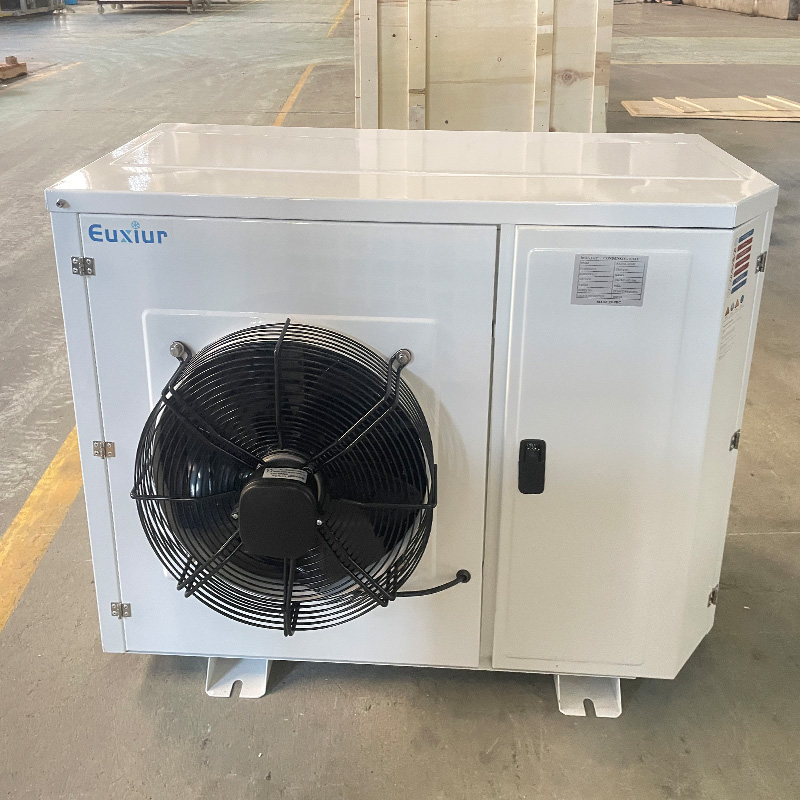
Proper installation of cold storage cooling units is essential for maximizing their efficiency and prolonging their lifespan. First, ensure that the installation site is appropriate, with adequate space for airflow and maintenance access. It’s also crucial to consider the unit's compatibility with existing infrastructure, such as electrical and plumbing systems.
Before installation, review the manufacturer's guidelines and ensure that all components are included. If possible, engage a professional installer who has experience with refrigeration systems. This can help prevent common installation errors, such as improper alignment or inadequate sealing, which may lead to energy inefficiency or product spoilage. Using high-quality parts, such as a reliable Solenoid Valve, can further enhance system reliability.
Once the unit is installed, conduct a thorough inspection to verify that it operates as expected. Monitor temperature settings and ensure that the cooling unit maintains the required conditions for the specific application. Regular maintenance checks and prompt repairs can further enhance the unit's performance.
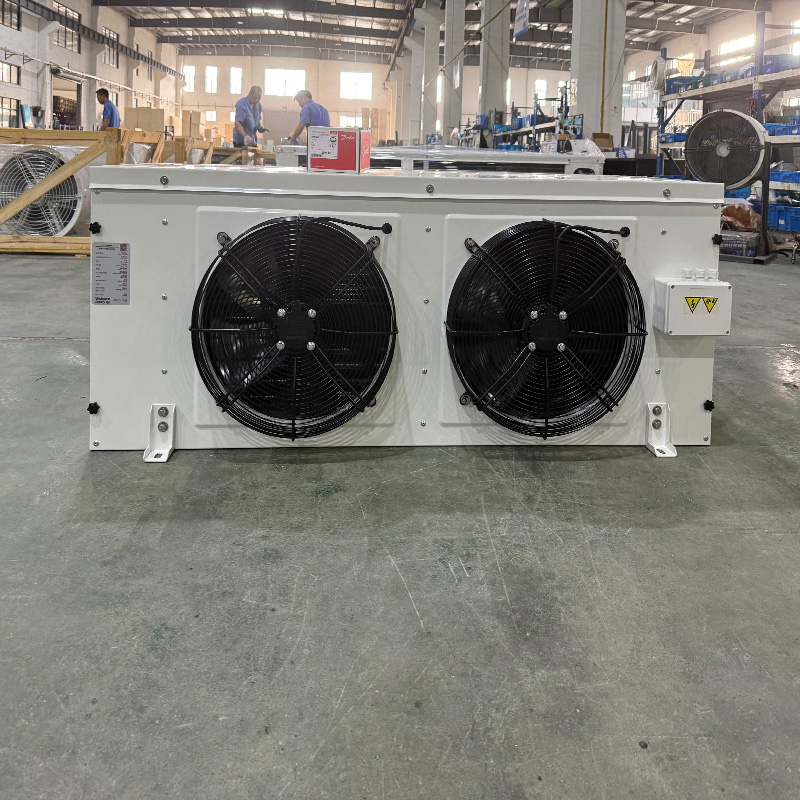
Despite their robustness, cold storage cooling units can encounter various problems that may affect their performance. Some common issues include:
Temperature Fluctuations: This can occur due to inadequate insulation, malfunctioning thermostats, or refrigerant leaks. To address this, regularly check insulation integrity, calibrate thermostats, and monitor refrigerant levels.
Excessive Noise: Unusual noises may indicate mechanical wear or loose components. Investigate the source of the noise and tighten or replace parts as necessary.
Frost Build-Up: This issue typically arises from improper humidity levels or door seal failures. Regularly inspect door seals and ensure that humidity controls are functioning correctly.
Inefficient Cooling: If the unit struggles to maintain set temperatures, it may be due to blocked air filters or evaporator coils. Cleaning or replacing these components can improve efficiency.
Proactive maintenance and timely troubleshooting can help mitigate these problems and extend the operational life of cold storage cooling units.
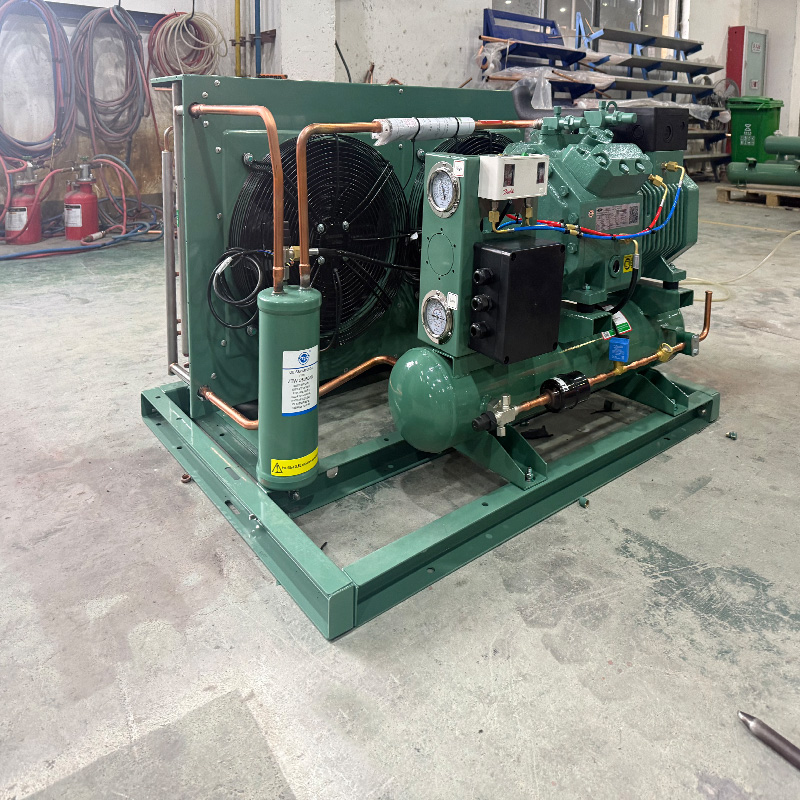
When evaluating cold storage cooling units, buyers should pay close attention to several key specifications, including:
Cooling Capacity: Measured in BTUs or kilowatts, this indicates the unit's ability to maintain desired temperatures. Choose a capacity that matches the volume of stored products, considering peak load requirements.
Energy Efficiency Rating: Units with higher energy efficiency ratings consume less power, leading to lower operational costs. Look for models with Energy Star certifications or similar efficiency standards.
Temperature Range: Ensure that the cooling unit can achieve the required temperature range for your specific application, whether for refrigeration or freezing.
Dimensions and Design: The physical dimensions must fit the installation space without compromising airflow. Additionally, consider the design features, such as door configurations and interior shelving, that suit your storage needs.
Material Construction: Durable materials ensure the longevity of the unit. Stainless steel interiors are often preferred for their resistance to corrosion and ease of cleaning.
Understanding these specifications helps buyers select the right cooling unit tailored to their operational requirements.
With more than 20 years of knowledge, we've developed a a complete production and sales and after-sales system with more than 20 patent certificates and a highly skilled R&D EMTH team.
A modern facility of more than 40,000 square meters is available to meet the majority of EMTH requirements.
With a strong reputation in the field and over 3,000+ customers served, EMTH EMTH is a trustworthy known and dependable supplier that has been acknowledged by other clients.
Special docking is offered to provide a full range of service. This includes the creation of Cuber ice machine, production installations, landing plans, and after-sales support.

Welcome to EMTH, a cold storage refrigeration equipment specialist in China! We offer innovative and effective cold storage solutions, including cold storage, evaporator, condensing unit and ice machine.
Room 304-305B, Building 5, BESHINE B.P, No. 559Zhuyuan Road, Minhang District 201112, Shanghai, China
Copyright © Shanghai EMTH Import & Export Co., Ltd. All Rights Reserved. - Privacy Policy
 EN
 AR
 BG
 HR
 CS
 DA
 NL
 FI
 FR
 DE
 EL
 IT
 JA
 KO
 NO
 PL
 PT
 RO
 RU
 ES
 TL
 IW
 ID
 LT
 SR
 VI
 HU
 TH
 MS
 AZ
 JW
 LO
 MN
 SO
 MY
 KK
 TG
 UZ
 GD
 XH