Cold room compressor units are essential components in refrigeration systems, serving as the heart of cold storage solutions for various industries. These units play a critical role in maintaining optimal temperatures for perishable goods, ensuring product integrity and compliance with safety regulations. B2B buyers, including purchasing managers and engineers, often face challenges in selecting the right unit that meets their specific operational needs. This article aims to provide practical insights into choosing, evaluating, and sourcing reliable cold room compressor units, helping buyers make informed decisions.
Selecting the right cold room compressor unit begins with understanding your specific requirements. Key factors include the type of application, the desired temperature range, and the size of the cold room. For instance, a unit designed for a meat storage facility may need to operate at lower temperatures compared to one used for fruit and vegetable storage. Consider options like the Bitzer Condensing Unit for efficient temperature management in such settings.
Additionally, consider the energy efficiency of the unit, as this can significantly impact operational costs over time. Look for units with a high Energy Efficiency Ratio (EER) or Seasonal Energy Efficiency Ratio (SEER), which indicates lower energy consumption for the cooling output provided. It is also beneficial to evaluate the noise levels of the compressor, especially if it will be installed in a public space or near employee work areas.
Lastly, assess the availability of maintenance support and the ease of accessing replacement parts. A unit that offers straightforward maintenance procedures can save time and costs in the long run. For example, the Refrigerator spare parts compressors can be a valuable resource for ongoing maintenance.
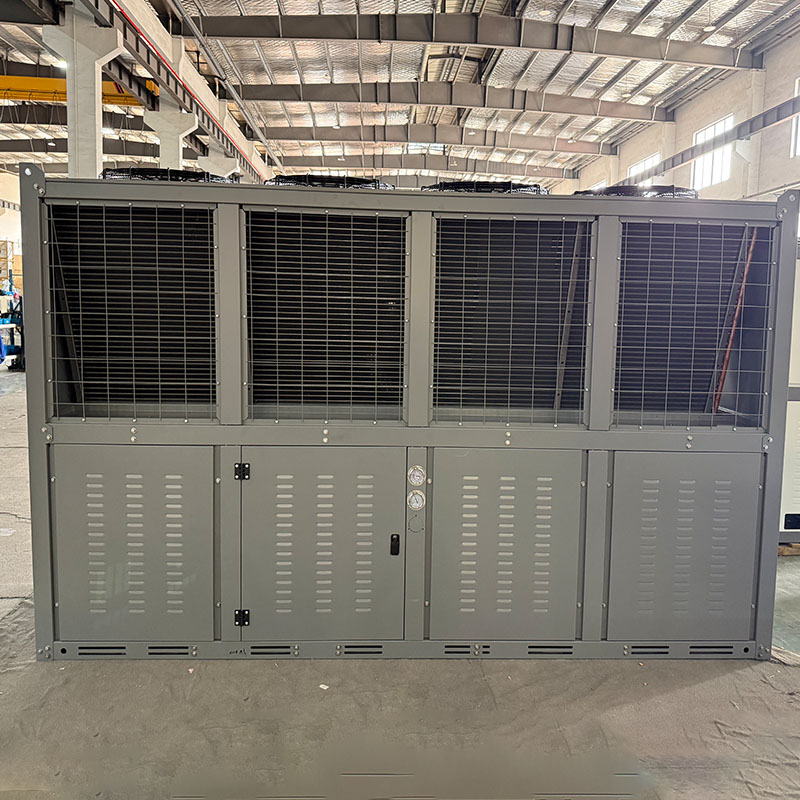
When evaluating cold room compressor units, several technical specifications are crucial to ensure optimal performance.
Cooling Capacity: Measured in BTUs (British Thermal Units) or kilowatts, this indicates how much heat a unit can remove from the cold room. Determine the cooling load by considering factors such as insulation quality, room dimensions, and the heat generated by stored products.
Refrigerant Type: Different refrigerants have varying environmental impacts and efficiency. Common refrigerants include R-134a and R-404A. Ensure compliance with local regulations regarding refrigerant use, especially concerning ozone-depleting substances.
Compressor Type: There are various types of compressors, including reciprocating, scroll, and screw compressors. Each type has its advantages; for example, scroll compressors are known for their efficiency and quieter operation, while reciprocating compressors are often more economical for smaller applications.
Operating Temperature Range: Check the manufacturer's specifications to ensure the compressor can handle the temperature requirements of your cold room. Units must be capable of maintaining the required temperatures under varying load conditions.
Power Supply and Voltage: Confirm that the power requirements of the compressor align with your facility's electrical infrastructure. This includes voltage, phase, and amperage specifications to avoid operational issues.
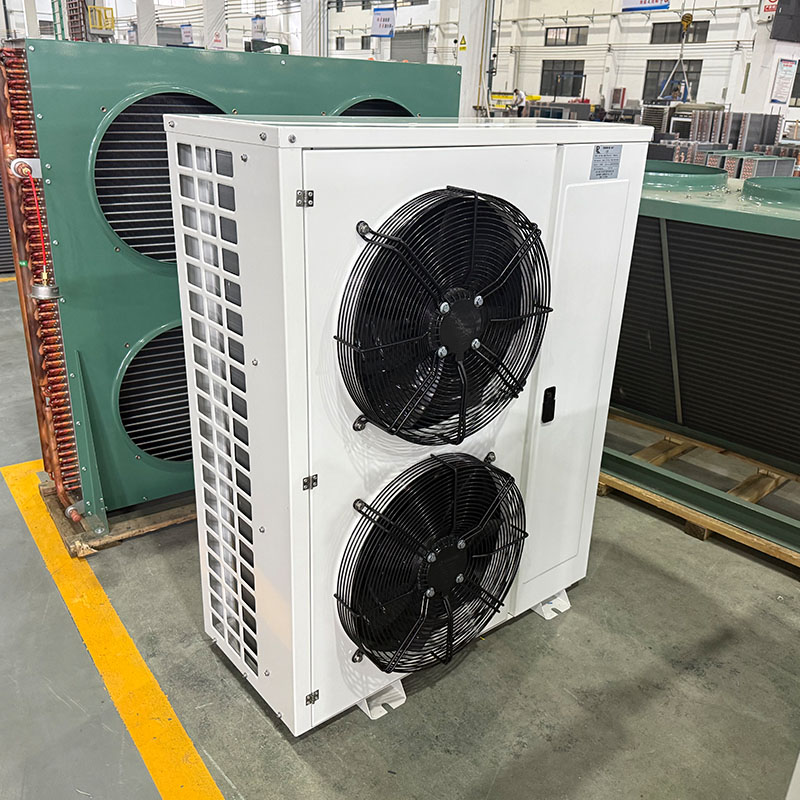
Finding a trustworthy supplier is a vital step in acquiring a cold room compressor unit. Start by researching manufacturers with proven expertise in refrigeration equipment, such as Shanghai EMTH, which has over 20 years of experience in the industry. Look for companies that provide comprehensive support, including installation assistance, warranty options, and after-sales service.
Additionally, seek suppliers that offer customization options to tailor the compressor unit to your specific requirements. This can include adjustments in size, cooling capacity, or additional features such as advanced control systems.
Request references or case studies from potential suppliers to understand their reliability and the satisfaction of previous clients. Online reviews and industry forums can also provide insights into the reputation of various manufacturers.
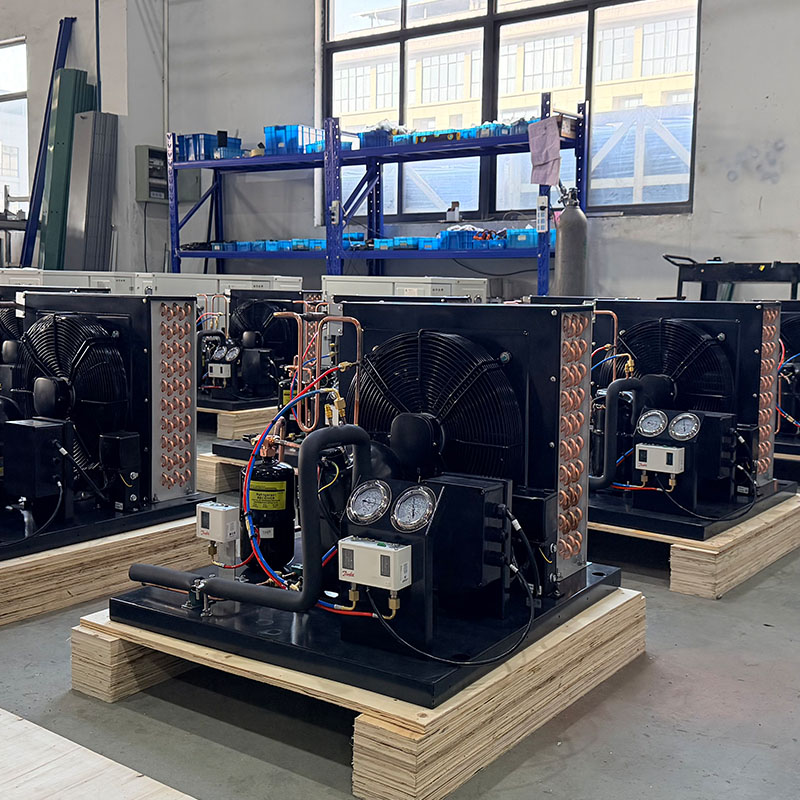
When vetting cold room compressor units, consider the following aspects:
Quality Certifications: Ensure the units meet relevant industry standards and certifications, such as ISO or CE certifications, which indicate adherence to quality and safety regulations.
Warranty Terms: A robust warranty can provide peace of mind. Look for warranties that cover both parts and labor, as this can protect your investment against premature failures.
Maintenance and Support Services: Evaluate the supplier's commitment to customer service. Reliable suppliers should offer ongoing support, including maintenance services, to ensure the longevity and efficiency of the unit.
Lead Times and Delivery: Confirm the expected lead times for unit delivery and installation. Understand any potential delays that could impact your operations.
Price Transparency: Request detailed quotations that break down costs, including installation, delivery, and any additional fees. This will help in comparing different suppliers more effectively.
Complete service program, from formulating of plans to the production and Cooling room, to after-sales service, there are specific docking.
More than 20 years of' experience and an experienced R&D EMTH team.
With a great reputation in the industry with over 3,000+ clients served, EMTH EMTH is a trustworthy known and dependable supplier that has been recognized by other clients.
A modern facility of more than 40,000 square meters is available to meet the majority of EMTH requirements.

Welcome to EMTH, a cold storage refrigeration equipment specialist in China! We offer innovative and effective cold storage solutions, including cold storage, evaporator, condensing unit and ice machine.
Room 304-305B, Building 5, BESHINE B.P, No. 559Zhuyuan Road, Minhang District 201112, Shanghai, China
Copyright © Shanghai EMTH Import & Export Co., Ltd. All Rights Reserved. - Privacy Policy
 EN
 AR
 BG
 HR
 CS
 DA
 NL
 FI
 FR
 DE
 EL
 IT
 JA
 KO
 NO
 PL
 PT
 RO
 RU
 ES
 TL
 IW
 ID
 LT
 SR
 VI
 HU
 TH
 MS
 AZ
 JW
 LO
 MN
 SO
 MY
 KK
 TG
 UZ
 GD
 XH