Air cooling evaporators are essential components in refrigeration systems, designed to efficiently transfer heat from the interior of cold storage facilities or refrigeration units to the surrounding air. As a B2B buyer, your primary concerns include product specifications, reliability, and supplier trustworthiness. This article will guide you through sourcing high-quality air cooling evaporators, key specifications to consider, reliable suppliers, installation guidance, and their applications across various industries.
When sourcing air cooling evaporators, it’s crucial to partner with manufacturers that have a proven track record. Look for companies like Shanghai EMTH, a branch of Zhejiang RUIXUE, which specializes in refrigeration equipment with over 20 years of experience and multiple patents. Evaluate suppliers based on their manufacturing capabilities, quality control processes, and customization options. A reliable supplier will offer transparency regarding materials, production methods, and testing procedures, ensuring that the product meets your operational needs. Consider looking into Refrigeration Accessories that might complement your evaporator system.
Take note of the supplier's ability to provide samples for evaluation before committing to a larger order. This allows you to assess the evaporator's performance under your specific operating conditions, ensuring compatibility with your existing systems.
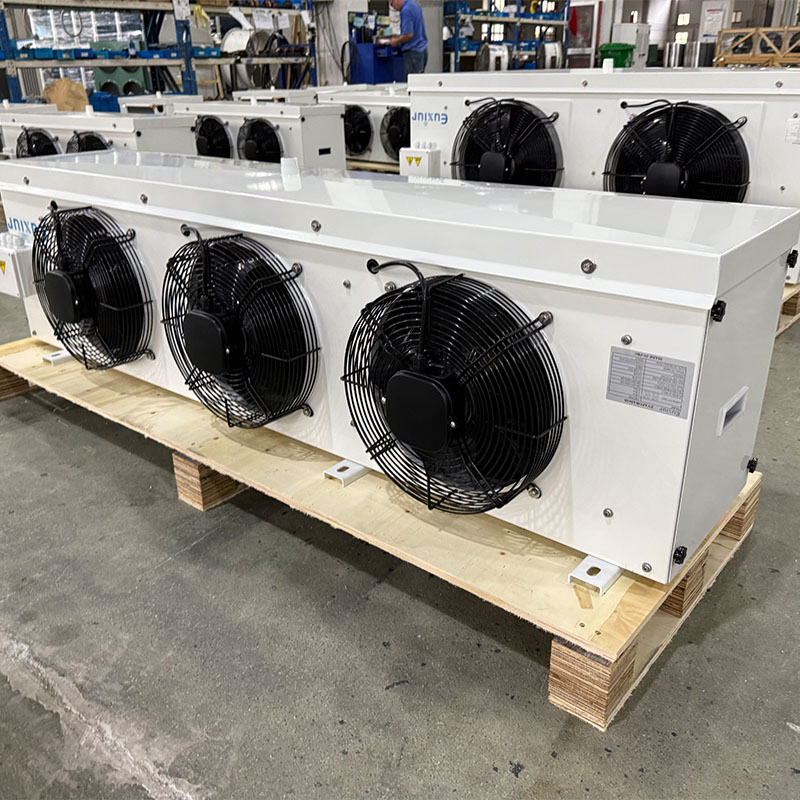
Understanding the key specifications of air cooling evaporators is vital for making an informed purchasing decision. Here are some critical factors to consider:
Cooling Capacity: Measured in BTUs or kilowatts, this indicates the evaporator's ability to remove heat. Ensure that the capacity aligns with your cooling requirements.
Material Composition: Common materials include aluminum, copper, and stainless steel. The choice of material affects durability, thermal conductivity, and resistance to corrosion. For instance, copper is excellent for heat transfer but may not be suitable for all environmental conditions.
Dimensions and Configuration: Ensure that the evaporator fits within your installation space. Dimensions should be verified against your specific requirements, as a unit that appears adequate on paper may not fit properly in practice.
Airflow Rate: This is essential for determining how effectively the evaporator will distribute cool air. It should match your cooling system's needs to prevent inefficiencies.
Energy Efficiency: Look for models with high energy efficiency ratings, as these will reduce operational costs over time.
Operating Temperature Range: Ensure that the evaporator can function effectively within the temperature ranges of your application.
Understanding these specifications helps ensure that the air cooling evaporator you choose will perform efficiently and reliably in your specific application. Additionally, integrating components like the Evaporator into your system can enhance overall performance.
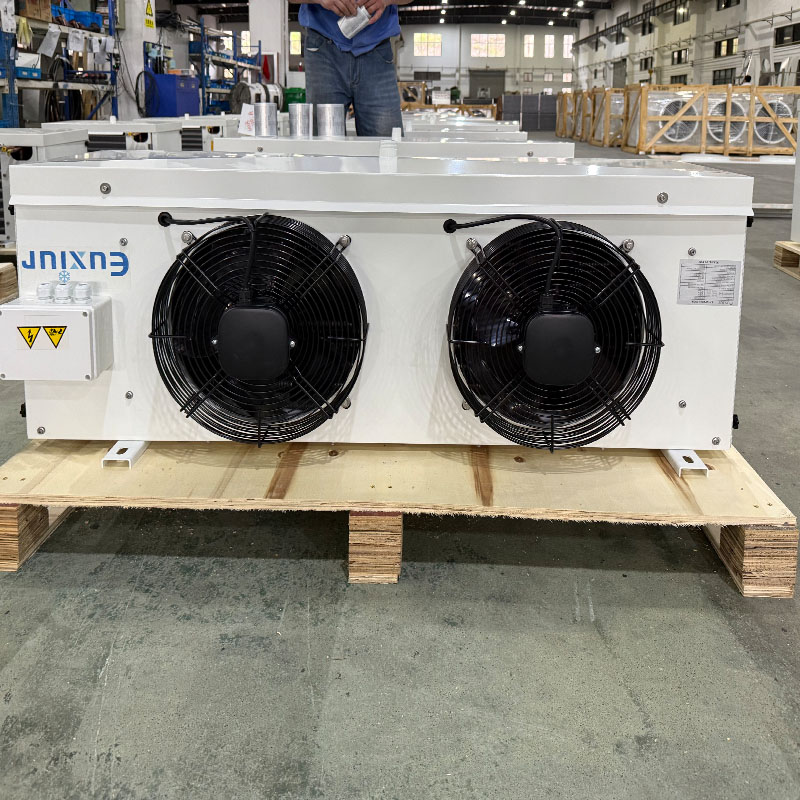
Finding reliable suppliers involves thorough research. Start by exploring industry trade shows and exhibitions, where manufacturers showcase their products and innovations. Online platforms and industry directories can also be helpful in identifying potential suppliers.
It's beneficial to seek recommendations from industry peers who have experience with specific manufacturers. Online reviews and testimonials can provide insight into a supplier's reputation and reliability. Once you have a shortlist, reach out with detailed inquiries regarding their product offerings, certifications, and lead times.
Consider suppliers like Shanghai EMTH, known for their comprehensive service and high-quality products, which can help streamline your procurement process.
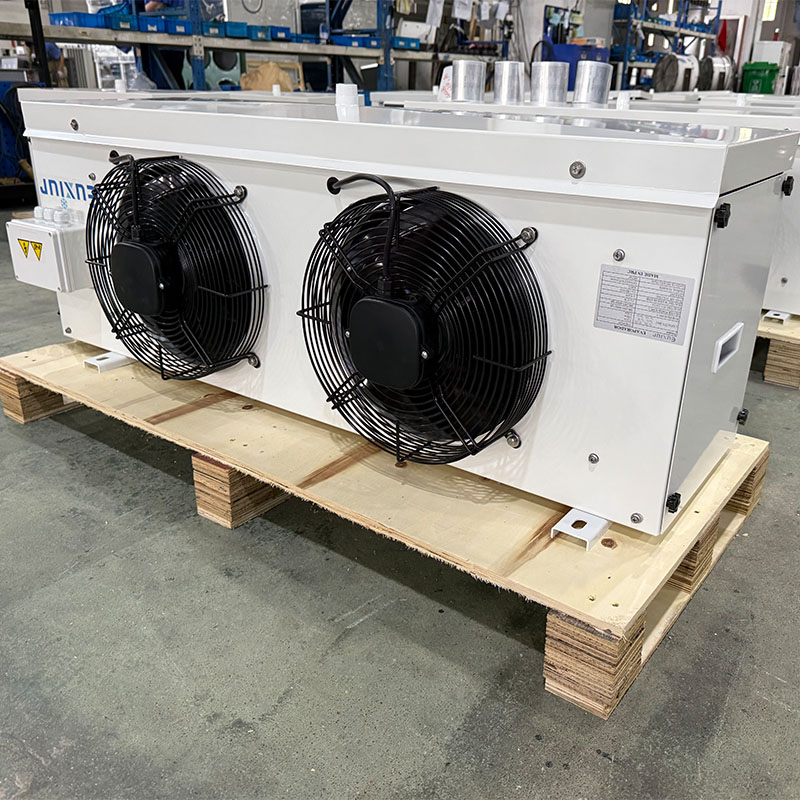
Proper installation of air cooling evaporators is critical to ensure optimal performance. Here are some guidelines to follow:
Site Preparation: Ensure that the installation site is clean and free from obstructions. Proper ambient conditions will enhance the evaporator's efficiency.
Alignment and Leveling: Install the evaporator level to prevent uneven wear and ensure proper drainage. Misalignment can lead to operational issues.
Electrical Connections: Engage a qualified electrician to handle all electrical wiring to ensure safety and compliance with local regulations.
Refrigerant Connections: Ensure that all refrigerant lines are correctly connected and tested for leaks before starting the system. A leak can compromise efficiency and lead to costly repairs.
System Testing: After installation, conduct a thorough system test. Monitor temperature and airflow to ensure the evaporator operates within specified parameters.
Proper installation not only extends the life of your evaporator but also maximizes its efficiency, leading to cost savings in the long run.
With a strong reputation in the field and over 3,000+ customers served, EMTH EMTH is a trustworthy known and dependable supplier that has been acknowledged by other clients.
More than 20 years of' experience and an experienced R&D EMTH team.
Special docking is offered for a complete service. This includes the design of Commercial ice maker, production installation, landing projects, and after-sales support.
A modern facility of more than 40,000 square meters is available to meet the majority of EMTH requirements.

Welcome to EMTH, a cold storage refrigeration equipment specialist in China! We offer innovative and effective cold storage solutions, including cold storage, evaporator, condensing unit and ice machine.
Room 304-305B, Building 5, BESHINE B.P, No. 559Zhuyuan Road, Minhang District 201112, Shanghai, China
Copyright © Shanghai EMTH Import & Export Co., Ltd. All Rights Reserved. - Privacy Policy
 EN
 AR
 BG
 HR
 CS
 DA
 NL
 FI
 FR
 DE
 EL
 IT
 JA
 KO
 NO
 PL
 PT
 RO
 RU
 ES
 TL
 IW
 ID
 LT
 SR
 VI
 HU
 TH
 MS
 AZ
 JW
 LO
 MN
 SO
 MY
 KK
 TG
 UZ
 GD
 XH