Air condensers are vital components in refrigeration and air conditioning systems, responsible for dissipating heat from refrigerants and enabling efficient cooling. For B2B buyers, selecting the right air condenser entails understanding various specifications, quality standards, and installation requirements. This article aims to guide purchasing managers, engineers, and product managers through key considerations when sourcing air condensers, ensuring they make informed decisions that align with their project needs.
Choosing the right air condenser involves evaluating specific project requirements. Start by assessing the cooling capacity needed for your application, which is typically measured in BTUs (British Thermal Units). The condenser's size and efficiency should match the system it will integrate with, taking into account the expected load and ambient conditions.
Additionally, consider the type of refrigerant your system uses, as compatibility can impact performance and efficiency. For example, certain air condensers are designed for environmentally friendly refrigerants, while others may work better with traditional refrigerants. Consulting with your manufacturer about the best fit for your specific refrigerant is critical.
Finally, think about the installation environment. Air condensers must be robust enough to handle local weather conditions, whether it's high temperatures, humidity, or exposure to corrosive elements. This consideration can help prevent premature failure and ensure long-term reliability. Consider using quality Refrigeration Accessories to enhance your system's performance.
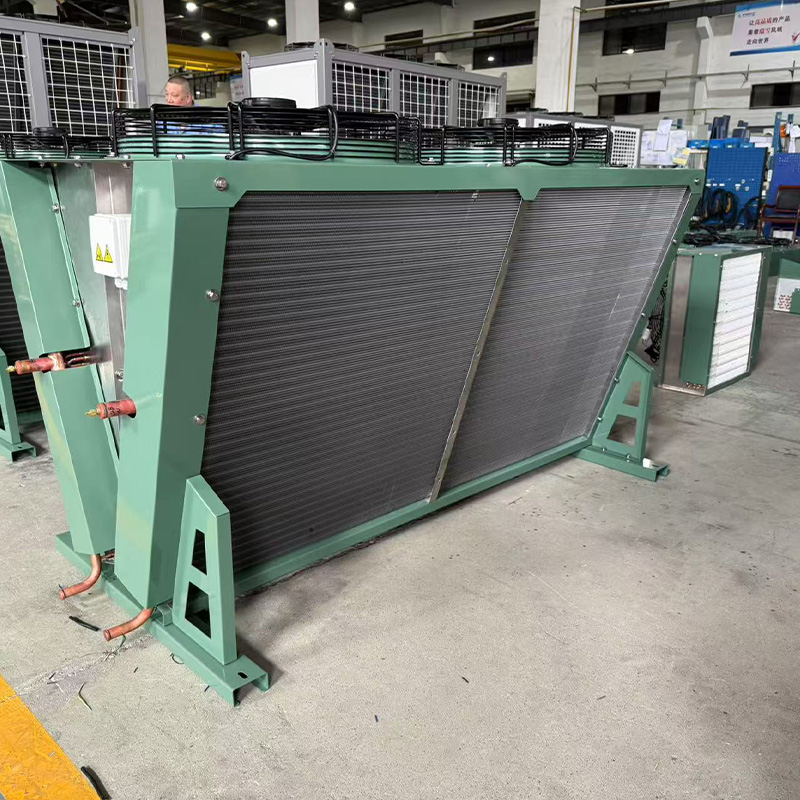
When sourcing air condensers, several key specifications should influence your decision:
Cooling Capacity: Ensure the condenser can handle the required BTU output for your application. Oversizing or undersizing can lead to inefficiencies or inadequate cooling.
Material Construction: Common materials include aluminum and copper for heat exchangers, each offering unique thermal properties. Aluminum is lightweight and resistant to corrosion, while copper boasts excellent thermal conductivity. The choice will depend on your application’s specific thermal and environmental conditions.
Dimensions and Weight: Verify the physical dimensions and weight of the condenser to ensure compatibility with your installation space and structural capabilities. Oversized units may require additional structural support.
Energy Efficiency Ratings: Look for energy efficiency ratings such as SEER (Seasonal Energy Efficiency Ratio) or EER (Energy Efficiency Ratio). Higher ratings indicate more efficient units, which can lead to significant cost savings over time.
Noise Levels: Depending on your application, noise may be a critical factor. Check the decibel rating of the condenser to ensure it meets your operational requirements.
Certifications: Ensure that the condenser complies with relevant industry standards and certifications, which may vary based on your region and application. This can include safety and performance certifications that verify product reliability.
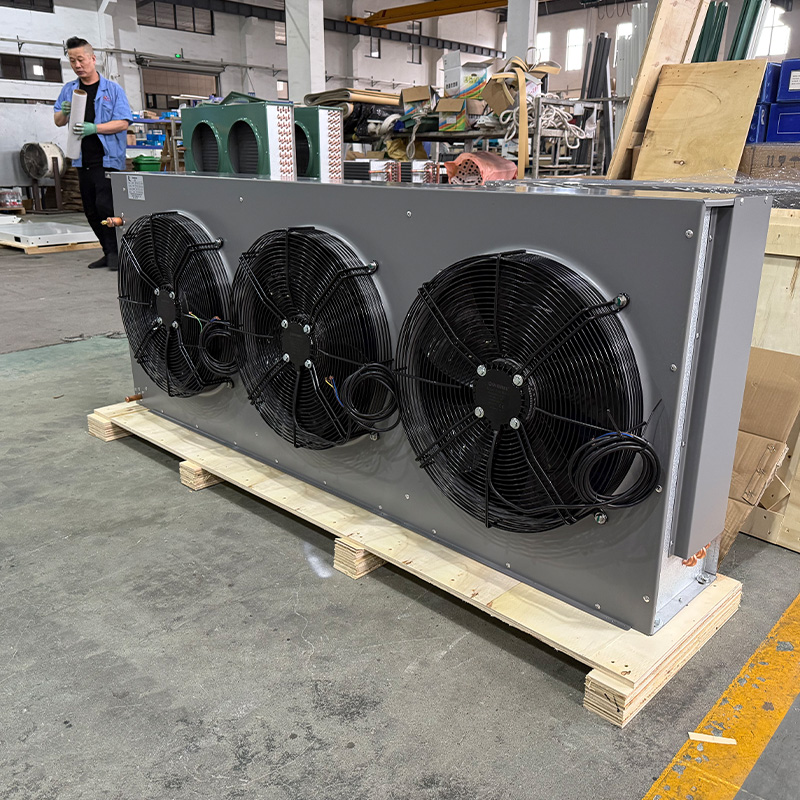
Quality control in air condenser manufacturing is crucial to ensuring product reliability and performance. At a reputable facility like Shanghai EMTH, quality measures include:
Raw Material Inspection: All incoming materials undergo rigorous testing to ensure they meet specified standards. This involves checking for material integrity and compliance with environmental regulations.
In-Process Quality Checks: During production, various checkpoints monitor the manufacturing process to catch any defects early. This includes dimensional checks, visual inspections, and functional testing of components.
Final Testing: Before shipping, finished air condensers should undergo performance testing under simulated operational conditions. This helps verify cooling capacity, efficiency, and durability.
Traceability Systems: Implementing traceability in manufacturing allows for tracking of materials and processes, ensuring accountability in case of defects and enabling quick responses to quality issues.
These measures not only enhance product reliability but also foster trust with buyers who depend on quality refrigeration solutions.
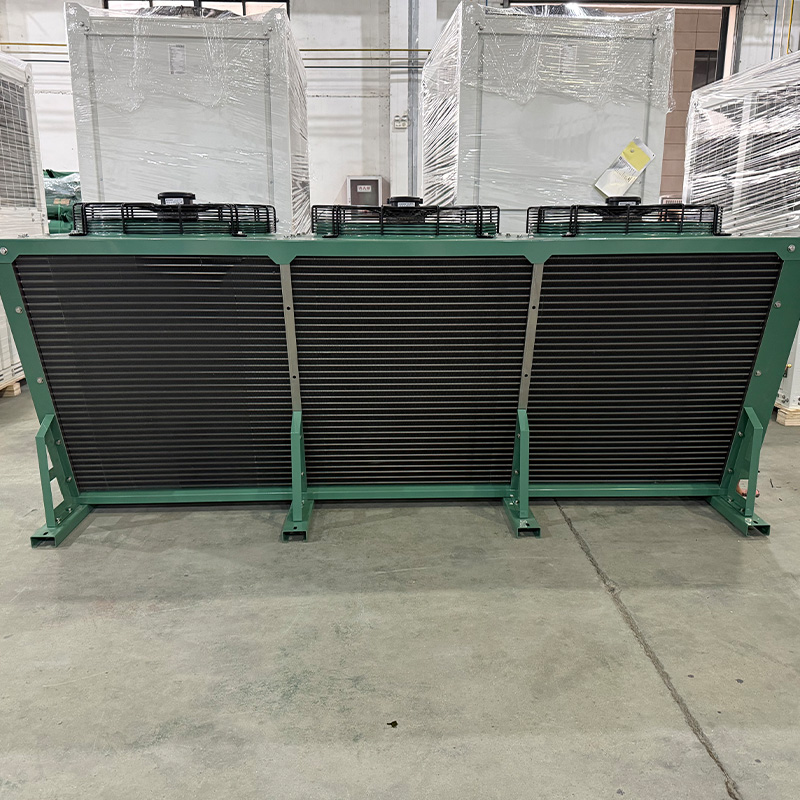
Proper installation of air condensers is essential for optimal performance. Here are several factors to consider:
Location and Orientation: Install condensers in a well-ventilated area to facilitate efficient heat dissipation. Avoid locations with obstructions that can hinder airflow. The orientation should ensure that the condenser is level to prevent liquid refrigerant from pooling, which could damage the unit.
Mounting Considerations: Depending on the unit's weight and dimensions, ensure that the mounting surface can support its load. Use vibration isolation mounts if noise reduction is a concern.
Electrical Connections: Verify that electrical connections meet local codes and standards. This includes ensuring that the power supply matches the condenser’s voltage and phase requirements.
Refrigerant Lines: Ensure proper sizing and insulation of refrigerant lines to minimize energy loss and maintain system efficiency. Leaks in the lines can severely impact performance.
Drainage: Establish a reliable drainage system for condensate to prevent water buildup, which can lead to corrosion or other damage.
Compliance with Local Codes: Always check local regulations regarding HVAC installations. Compliance ensures safety and may be necessary for warranty coverage.
Complete service system, from the creation of plans, Ice maker for commercial production and project landing, to after-sales services, there's special docking.
Over 20 years of experience, we have the complete sales and after-sales systems with more than 20 patents and a professional R&D EMTH team.
A modern facility of more than 40,000 square meters is available to meet the majority of EMTH requirements.
With a strong reputation in the field and over 3,000+ customers served, EMTH EMTH is a trustworthy known and dependable supplier that has been acknowledged by other clients.

Welcome to EMTH, a cold storage refrigeration equipment specialist in China! We offer innovative and effective cold storage solutions, including cold storage, evaporator, condensing unit and ice machine.
Room 304-305B, Building 5, BESHINE B.P, No. 559Zhuyuan Road, Minhang District 201112, Shanghai, China
Copyright © Shanghai EMTH Import & Export Co., Ltd. All Rights Reserved. - Privacy Policy
 EN
 AR
 BG
 HR
 CS
 DA
 NL
 FI
 FR
 DE
 EL
 IT
 JA
 KO
 NO
 PL
 PT
 RO
 RU
 ES
 TL
 IW
 ID
 LT
 SR
 VI
 HU
 TH
 MS
 AZ
 JW
 LO
 MN
 SO
 MY
 KK
 TG
 UZ
 GD
 XH