A freezer evaporator is a critical component in refrigeration systems, playing a vital role in cooling and maintaining the desired temperature in cold storage applications. Understanding the factors influencing freezer evaporator price is crucial for purchasing managers, distributors, and engineers looking to make informed decisions. This article will delve into the specifications and features of quality freezer evaporators, the cost factors affecting their pricing, key considerations when selecting a unit, common problems with these devices, and essential insights buyers should have before making a purchase.
Freezer evaporators are designed to absorb heat from the surrounding environment, enabling refrigeration systems to maintain low temperatures effectively. A quality evaporator typically features a high-efficiency heat exchange surface, which may be made from materials such as copper or aluminum known for their excellent thermal conductivity. Key specifications to consider include:
Cooling Capacity: This is expressed in BTUs (British Thermal Units) per hour and indicates the amount of heat the evaporator can remove. It is crucial to select a unit with a capacity that matches the cooling demands of the application.
Fins and Tubes Design: The configuration of fins and tubes affects heat transfer efficiency. Increased surface area enhances performance, while the spacing of fins can influence airflow and cooling efficiency.
Defrost Method: Evaporators may employ various defrost methods, including electric, hot gas, or fan-assisted. The choice of defrost method can impact energy consumption and operational efficiency.
Temperature Range: Understanding the operational temperature range is essential. Different applications may require evaporators that operate efficiently at varying temperatures. For instance, when considering the Evaporator, it's important to assess its temperature range suitability.
Material Selection: The choice of materials directly impacts durability and resistance to corrosion, which is particularly vital in harsh environments.
Selecting an evaporator with these specifications tailored to your cooling needs will ensure optimal performance and longevity.
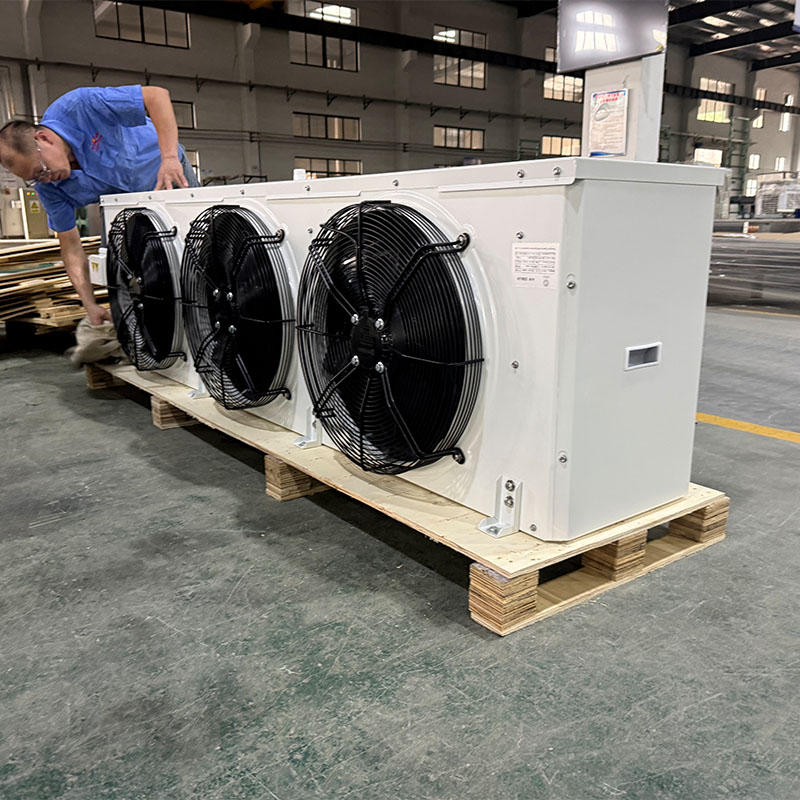
The price of freezer evaporators is influenced by a variety of factors, which can vary significantly depending on the manufacturer and the specific product features. Key cost determinants include:
Material Costs: High-quality materials, such as copper or specialized alloys, can raise production costs but often lead to better performance and longer lifespan.
Manufacturing Complexity: Advanced manufacturing processes, such as precision welding or the use of high-efficiency designs, contribute to higher production costs.
Cooling Capacity and Size: Larger capacities and dimensions typically result in higher prices due to increased material usage and the need for more robust construction to handle the demands of larger systems.
Customization: Tailoring evaporators to specific applications—such as unique dimensions, specialized coatings, or additional features—can significantly influence pricing. For example, features like an Electronic Control Box can enhance operation.
Volume Discounts: Distributors purchasing in bulk may benefit from reduced unit prices, which can influence overall pricing strategies.
Understanding these cost factors will allow buyers to evaluate pricing structures effectively and negotiate better deals.
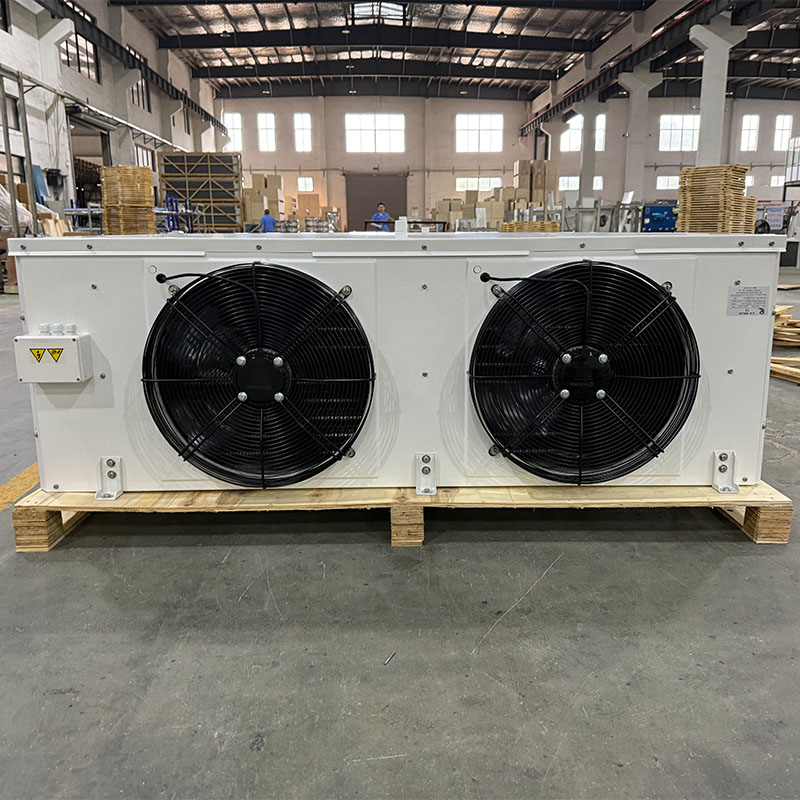
When selecting a freezer evaporator, several key considerations can ensure the right fit for your application:
Application Requirements: Assess the specific cooling requirements of the application, including the temperature range and space constraints. This will guide the selection of the appropriate evaporator type and size.
Energy Efficiency: Look for evaporators with high energy efficiency ratings (EER) to minimize operational costs over time. This can also reduce the environmental impact of refrigeration systems.
Installation and Maintenance: Consider the installation requirements, including space and accessibility for maintenance. Designs that facilitate easy access for cleaning and repairs can save time and reduce future costs.
Supplier Reputation: Evaluate potential suppliers based on their track record, customer reviews, and warranty offerings. A reputable manufacturer, such as Shanghai EMTH, which has over 20 years of experience in producing refrigeration equipment, can provide reassurance regarding quality and reliability.
Technical Support: Ensure that the supplier offers adequate technical support and resources for installation and troubleshooting, as this can be crucial for minimizing downtime.
By focusing on these considerations, buyers can select an evaporator that meets their needs effectively and efficiently.
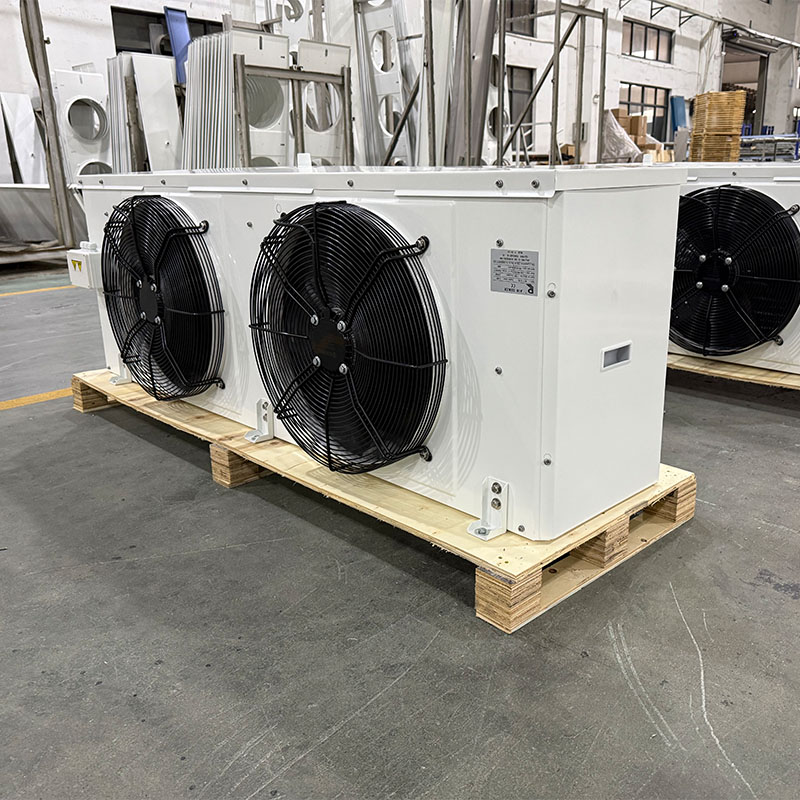
Despite their essential role, freezer evaporators can encounter several common issues that may affect performance. Understanding these problems and their solutions can prevent costly downtime:
Frost Build-Up: Excessive frost accumulation can obstruct airflow and reduce efficiency. Regular maintenance, including defrost cycles and cleaning, can mitigate this issue. Utilizing evaporators with efficient defrost methods can further reduce frost-related problems.
Poor Airflow: Blocked or insufficient airflow can lead to uneven cooling. Ensure that the evaporator is correctly sized for the application and that the surrounding area is free from obstructions.
Refrigerant Leaks: Leaks can drastically affect the performance of an evaporator. Regular inspections should be conducted to identify and repair leaks promptly, ensuring system integrity.
Noise Issues: If the evaporator makes excessive noise, it may be due to loose components, improper installation, or wear. Routine checks and maintenance can help identify and resolve these issues quickly.
High Energy Consumption: If energy bills are unexpectedly high, it may indicate inefficiencies in the evaporator. Evaluating the operational setup and considering an upgrade to a more efficient model can lead to significant cost savings.
By proactively addressing these common problems, buyers can ensure the longevity and efficiency of their freezer evaporators.
Special docking is offered for a complete service. This includes the design of Commercial ice maker, production installation, landing projects, and after-sales support.
With more than 20 years of knowledge, we've developed a a complete production and sales and after-sales system with more than 20 patent certificates and a highly skilled R&D EMTH team.
EMTH has a long-standing track record of success in the industry with more than 3,000 satisfied customers.
A modern factory of over 40,000 square meters is available to fulfill the majority of EMTH demands for production.

Welcome to EMTH, a cold storage refrigeration equipment specialist in China! We offer innovative and effective cold storage solutions, including cold storage, evaporator, condensing unit and ice machine.
Room 304-305B, Building 5, BESHINE B.P, No. 559Zhuyuan Road, Minhang District 201112, Shanghai, China
Copyright © Shanghai EMTH Import & Export Co., Ltd. All Rights Reserved. - Privacy Policy
 EN
 AR
 BG
 HR
 CS
 DA
 NL
 FI
 FR
 DE
 EL
 IT
 JA
 KO
 NO
 PL
 PT
 RO
 RU
 ES
 TL
 IW
 ID
 LT
 SR
 VI
 HU
 TH
 MS
 AZ
 JW
 LO
 MN
 SO
 MY
 KK
 TG
 UZ
 GD
 XH