Choosing the right condensing unit supplier is crucial for any business involved in refrigeration systems. Condensing units play a vital role in cooling processes, impacting energy efficiency, operational performance, and overall system reliability. As purchasing managers and engineers evaluate potential suppliers, they must consider factors such as product quality, specifications, and the supplier's ability to meet their unique requirements. This article will guide you through essential considerations when selecting a condensing unit supplier, ensuring you make an informed decision that aligns with your operational needs.
When selecting a condensing unit supplier, it's essential to assess their manufacturing capabilities and experience. Look for suppliers with a proven track record in producing high-quality refrigeration equipment. A supplier like Shanghai EMTH, with over 20 years of experience in the industry and a strong focus on research and development, can provide assurance of product reliability.
Additionally, consider the supplier's certifications and quality control processes. Suppliers should adhere to industry standards, ensuring their products meet the necessary safety and performance requirements. Inquire about their manufacturing processes, including materials used and production equipment, as these factors significantly influence the durability and efficiency of the condensing units. For example, components like Compressors and Refrigeration Accessories should meet high standards for optimal performance.
Lastly, assess their customization capabilities. Depending on your specific application, you may require tailored solutions. Ensure the supplier can accommodate your unique requirements, such as size, capacity, and configuration, to guarantee optimal performance in your system.
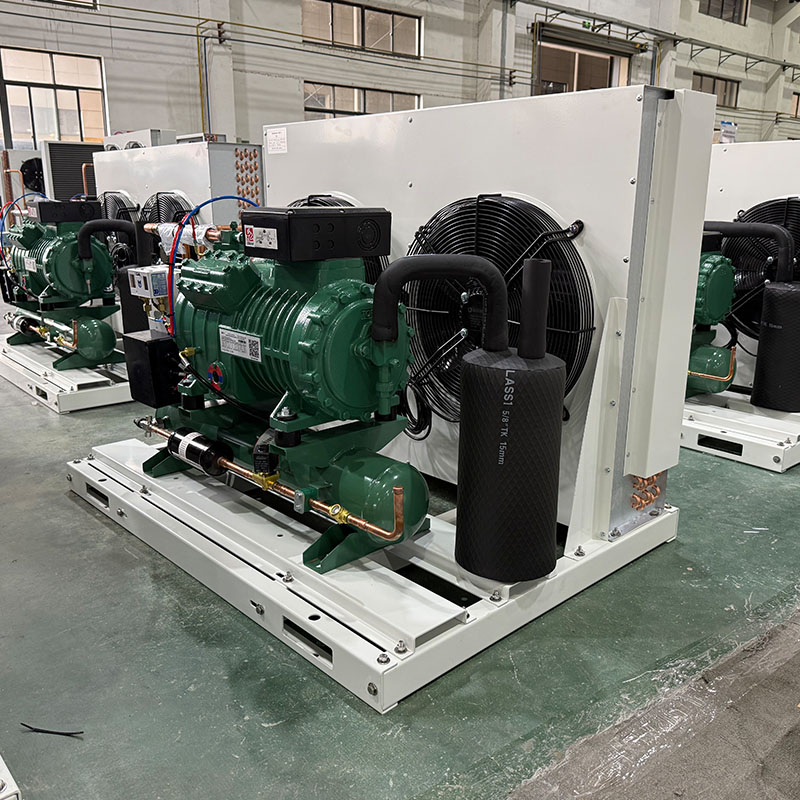
When purchasing condensing units in bulk, several key specifications must be evaluated to ensure reliability and compatibility with your refrigeration system.
Cooling Capacity: This specification indicates the unit's ability to remove heat from the environment. Ensure the capacity aligns with your system's requirements to maintain optimal performance.
Energy Efficiency Ratio (EER): A higher EER indicates better energy efficiency, which can lead to significant cost savings over time. Review the EER rating to ensure it meets your operational goals.
Compressor Type: The type of compressor (reciprocating, scroll, or screw) affects the unit's efficiency, noise level, and maintenance requirements. Choose a compressor type that aligns with your performance needs and operational constraints.
Refrigerant Type: The choice of refrigerant can impact environmental compliance, system efficiency, and operating costs. Verify that the refrigerant used is suitable for your application and adheres to applicable regulations.
Operating Conditions: Ensure the unit can operate effectively under your specific environmental conditions, such as temperature ranges and humidity levels.
Understanding these specifications will help you evaluate different condensing units effectively and ensure they meet your project requirements.
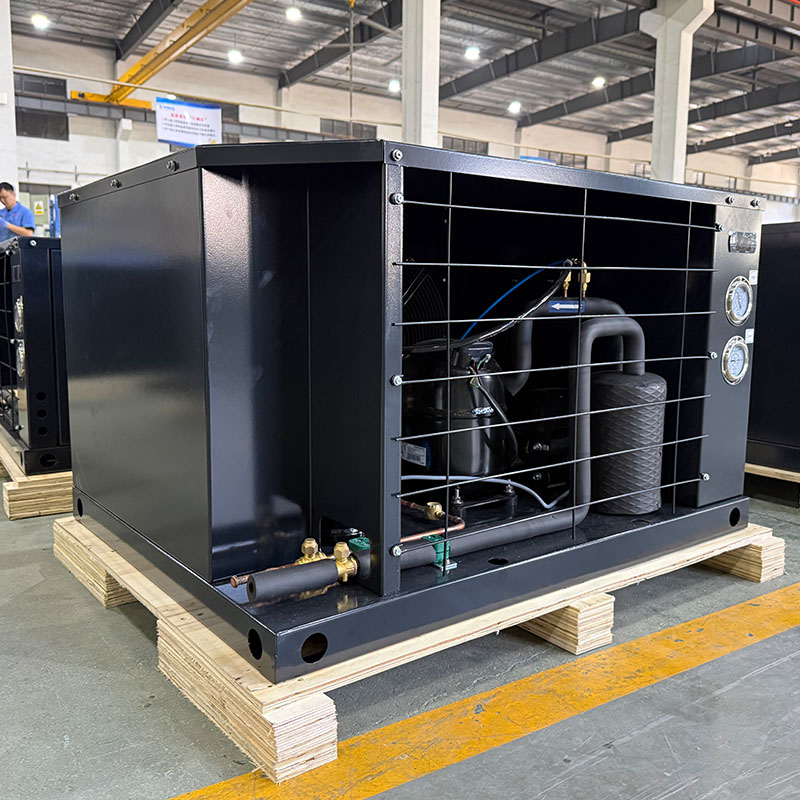
Finding reliable condensing unit suppliers can be challenging. Start by researching industry trade shows and exhibitions, where manufacturers showcase their products and innovations. This allows you to engage directly with suppliers, ask questions, and compare their offerings.
Online directories and industry-specific websites can also be valuable resources for identifying potential suppliers. Look for companies with strong reputations, positive customer reviews, and a robust online presence. Networking with industry professionals through forums or LinkedIn can yield personal recommendations, helping you find trustworthy suppliers.
Additionally, consider suppliers with established export markets, as they are often familiar with international quality standards and compliance requirements. Companies such as Shanghai EMTH, known for their extensive experience in manufacturing refrigeration equipment, can be excellent candidates.
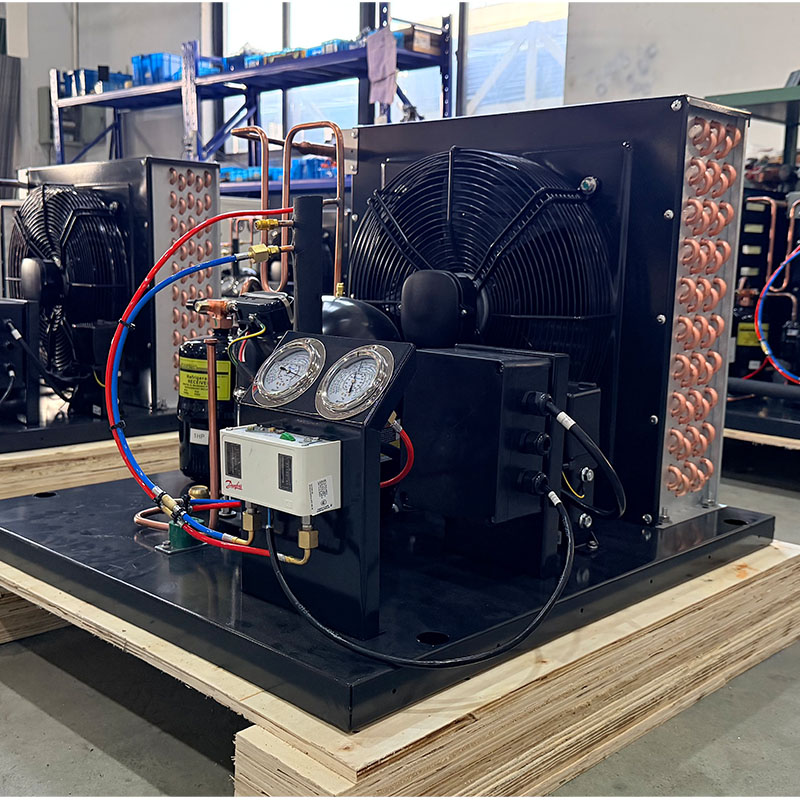
When sourcing condensing units wholesale, various cost factors should be taken into account to ensure a competitive price while maintaining quality.
Unit Price: The base price of the condensing unit can vary widely based on specifications, materials, and manufacturer reputation. Always request quotes from multiple suppliers to compare pricing.
Minimum Order Quantity (MOQ): Some suppliers may have MOQs that affect your total cost. Be sure to clarify these requirements before finalizing your order.
Shipping and Handling: Transportation costs can significantly impact the overall price. Consider logistics and delivery options, including any potential customs duties and fees associated with international orders.
Warranty and Support: A supplier offering a comprehensive warranty and reliable customer support may justify a higher initial cost, as it can reduce long-term expenses related to maintenance and repairs.
Energy Costs: While not an upfront cost, the energy efficiency of the condensing unit will affect operational costs over time. Investing in a more efficient unit can lead to significant savings. For instance, units equipped with high-performance Evaporators can optimize energy use.
By evaluating these cost factors, you can make informed decisions that balance initial investment with long-term operational efficiency.
Over 20 years of experience, we have the complete sales and after-sales systems with more than 20 patents and a professional R&D EMTH team.
With a full service system, from the formulation of plans, production of Condensing units as well as project landing until after-sales assistance, there's special docking.
A modern factory of over 40,000 square meters is available to fulfill the majority of EMTH demands for production.
With a good name in the industry, with over 3,000+ clients serviced, EMTH EMTH is a trustworthy established supplier that is praised by its clients.

Welcome to EMTH, a cold storage refrigeration equipment specialist in China! We offer innovative and effective cold storage solutions, including cold storage, evaporator, condensing unit and ice machine.
Room 304-305B, Building 5, BESHINE B.P, No. 559Zhuyuan Road, Minhang District 201112, Shanghai, China
Copyright © Shanghai EMTH Import & Export Co., Ltd. All Rights Reserved. - Privacy Policy
 EN
 AR
 BG
 HR
 CS
 DA
 NL
 FI
 FR
 DE
 EL
 IT
 JA
 KO
 NO
 PL
 PT
 RO
 RU
 ES
 TL
 IW
 ID
 LT
 SR
 VI
 HU
 TH
 MS
 AZ
 JW
 LO
 MN
 SO
 MY
 KK
 TG
 UZ
 GD
 XH