Understanding the intricacies of a condenser outside AC unit is essential for B2B buyers, particularly those involved in purchasing or managing HVAC systems. The condenser plays a pivotal role in the cooling process, impacting efficiency, performance, and operational costs. , we will explore key specifications, quality evaluation methods, common issues, cost factors, and application scenarios for outdoor AC unit condensers, providing you with the critical insights needed to make informed purchasing decisions.
When evaluating a condenser outside AC unit, focus on several key specifications that directly influence performance and durability:
Material Selection: Commonly, condensers are made from copper or aluminum. Copper offers better thermal conductivity, while aluminum is lighter and resistant to corrosion. The choice of material affects heat exchange efficiency and longevity.
Dimensions and Size: The size of the condenser must match the cooling capacity required for your system. An undersized unit may lead to inadequate cooling, while an oversized unit can result in unnecessary energy consumption and increased wear and tear.
Pressure Ratings: Ensure that the condenser can handle the required refrigerant pressure levels for your cooling system. Higher pressure ratings typically indicate a more robust design suitable for demanding applications.
Cooling Capacity: Measured in BTUs, this specification determines how effectively the condenser can dissipate heat. It's crucial to choose a unit with a capacity that aligns with your cooling needs. For instance, a quality Condenser can greatly enhance your system's efficiency.
Efficiency Ratings: Look for units with high SEER (Seasonal Energy Efficiency Ratio) ratings. Higher efficiency means lower operational costs and a reduced environmental footprint.
Understanding these specifications allows you to select a condenser that meets your operational requirements while optimizing performance and efficiency.
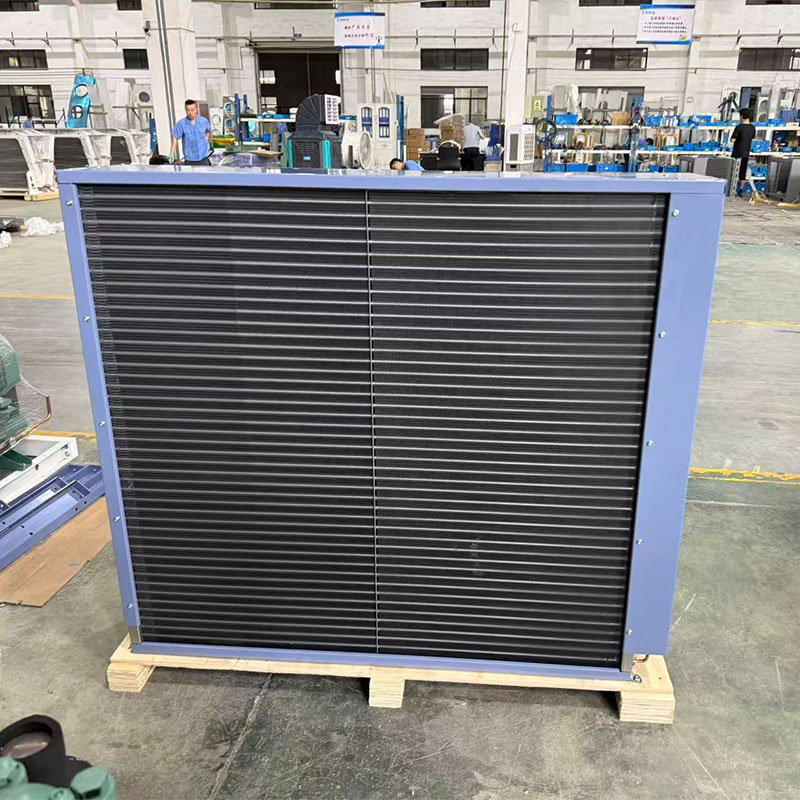
Choosing a reliable supplier for your condenser outside AC unit requires careful consideration. Here are key factors to evaluate:
Manufacturing Experience: Opt for suppliers with substantial experience in manufacturing refrigeration equipment. With over 20 years in the industry, Shanghai EMTH leverages expertise gained from numerous projects to deliver high-quality products.
Quality Control Processes: Inquire about the supplier's quality assurance protocols. A reputable supplier should employ rigorous testing methods, including pressure tests and thermal performance evaluations, ensuring the product meets predefined specifications.
Certifications and Compliance: Verify if the supplier holds relevant industry certifications, which may indicate adherence to international quality standards. This can provide assurance regarding product reliability and safety.
Customization Capabilities: Assess whether the supplier can accommodate custom requirements. This includes modifications in design, size, or materials to suit specific applications. A supplier with customization capabilities can better meet your unique needs.
Customer Reviews and References: Seek feedback from previous customers or request case studies that demonstrate the supplier's reliability and product performance. This can provide valuable insights into their operational effectiveness and customer service.
By thoroughly evaluating these factors, you can select a supplier that aligns with your quality expectations and operational goals.
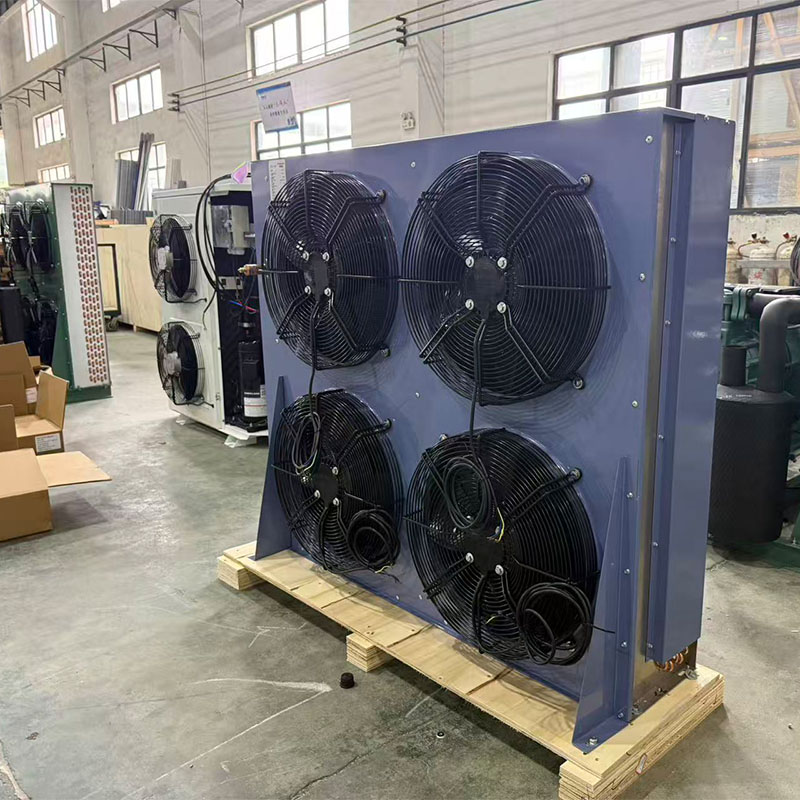
AC condensers can encounter several common issues that may disrupt their performance. Recognizing these problems and their solutions is crucial for maintaining efficiency:
Refrigerant Leaks: One of the most frequent problems is refrigerant leakage, which can lead to insufficient cooling. Regular inspections and pressure tests can help identify leaks early. If a leak is detected, it must be repaired, and the refrigerant should be replenished to maintain optimal performance.
Clogged Coils: Dirt and debris can accumulate on condenser coils, hindering heat exchange efficiency. Conduct routine cleaning of the coils to remove any obstructions. This can significantly improve cooling efficiency and prolong the life of the unit.
Fan Issues: The condenser fan is vital for dissipating heat. If the fan fails, the condenser can overheat. Check for obstructions and ensure that the fan motor is functioning correctly. Regular maintenance should include lubrication of motor bearings and inspection for any signs of wear.
Electrical Failures: Issues with electrical components can lead to system failures. Implement a scheduled maintenance program that includes checking electrical connections and components to prevent unexpected breakdowns.
Corrosion: Environmental factors can lead to corrosion, particularly in coastal areas. Choose condensers with corrosion-resistant materials or coatings to enhance durability. Additionally, regular inspections can help catch early signs of corrosion.
By understanding these common problems and their solutions, you can implement preventative maintenance strategies that enhance the lifespan and efficiency of your condensers. For additional components, consider looking at Refrigeration Accessories that can further improve your system's performance.
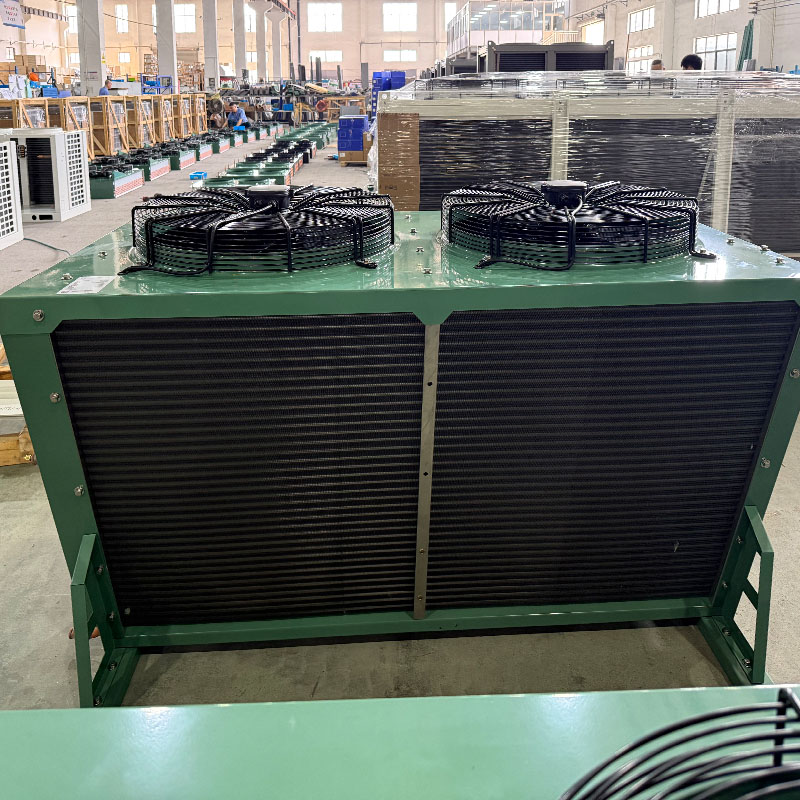
When purchasing condensers outside AC units wholesale, several cost factors must be taken into account to ensure a sound investment:
Unit Price: The base price of the condenser is a fundamental consideration. However, be cautious of extremely low-priced units, as they may compromise on quality or performance.
Shipping and Handling Costs: Factor in transportation costs when evaluating total expenses. Shipping fees can vary significantly based on the distance and shipping method. Prefer suppliers who offer transparent shipping policies and competitive rates.
Customization Costs: If your project requires specific features or dimensions, customization can increase the overall cost. Request detailed quotations that outline any additional fees for custom modifications.
Bulk Purchase Discounts: Many suppliers offer discounts for bulk orders. Inquire about potential price reductions based on order quantity, which can result in significant savings for large-scale projects.
Long-Term Operational Costs: Consider the operational efficiency of the condenser, as higher efficiency models may have a higher upfront cost but can lead to long-term savings on energy bills. Evaluate the lifecycle cost, including maintenance and energy consumption.
By understanding these cost factors, you can make informed purchasing decisions that align with your budget and operational needs.
With a strong reputation in the business and over 3,000+ clients that they have served, EMTH EMTH is a trustworthy, proven supplier that has been acknowledged by other clients.
With more than 20 years of knowledge, we've developed a a complete production and sales and after-sales process with more than 20 patent certificates and a skilled R&D EMTH team.
Special docking is offered to provide a full range of service. This includes the creation of Cuber ice machine, production installations, landing plans, and after-sales support.
A modern factory of over 40,000 square meters is available to fulfill the majority of EMTH demands for production.

Welcome to EMTH, a cold storage refrigeration equipment specialist in China! We offer innovative and effective cold storage solutions, including cold storage, evaporator, condensing unit and ice machine.
Room 304-305B, Building 5, BESHINE B.P, No. 559Zhuyuan Road, Minhang District 201112, Shanghai, China
Copyright © Shanghai EMTH Import & Export Co., Ltd. All Rights Reserved. - Privacy Policy
 EN
 AR
 BG
 HR
 CS
 DA
 NL
 FI
 FR
 DE
 EL
 IT
 JA
 KO
 NO
 PL
 PT
 RO
 RU
 ES
 TL
 IW
 ID
 LT
 SR
 VI
 HU
 TH
 MS
 AZ
 JW
 LO
 MN
 SO
 MY
 KK
 TG
 UZ
 GD
 XH