Choosing the right condenser coil for your freezer is crucial for efficient refrigeration performance and energy savings. The condenser coil plays a vital role in heat exchange, helping to maintain optimal temperatures in various commercial and industrial applications. As a B2B buyer, understanding the specifications, installation, common issues, and overall functionality of condenser coils is essential. This article will guide you through the key considerations when selecting and maintaining condenser coils for freezers.
When selecting a condenser coil for your freezer, several factors come into play. Start by determining the type of refrigeration system you are using, as this will influence the coil design and specifications. Consider the following key aspects:
Size and Dimensions: The physical dimensions of the condenser coil must fit within your existing refrigeration setup. Measure the available space and ensure that the coil can be accommodated without hindering airflow.
Material: Condenser coils are typically made from copper or aluminum. Copper coils offer better thermal conductivity, which enhances heat exchange efficiency. However, aluminum coils are lighter and resistant to corrosion, making them suitable for specific environments.
Coil Configuration: Depending on your application, you may need a single or multi-row coil. Multi-row coils can provide greater cooling capacity, which is beneficial in large freezers or walk-in units.
Fin Design: The fin design of the coil affects its heat exchange efficiency. Fins can be designed for maximum surface area or optimized for airflow. Ensure the fin spacing is appropriate for your application, as tight spacing can lead to dust buildup and reduced efficiency.
Operating Conditions: Evaluate the expected operating conditions, including ambient temperature and humidity. Coils must be selected based on their capability to handle these conditions without failure.
By addressing these factors, you can select a condenser coil that meets your specific requirements and ensures efficient freezer operation. Moreover, consider integrating refrigeration accessories that complement your condenser coil system for enhanced performance.
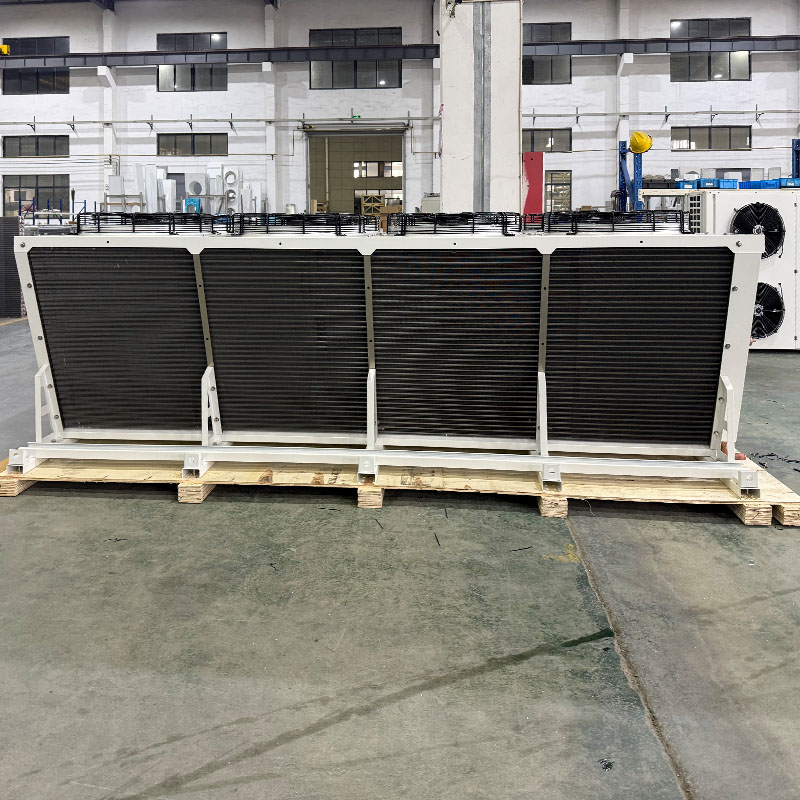
When evaluating condenser coils, focus on the following specifications and features to ensure optimal performance:
Heat Exchange Efficiency: Look for coils that have been tested for their heat exchange efficiency. Higher efficiency translates to lower energy consumption and reduced operational costs.
Pressure Rating: Ensure that the coil is rated for the operating pressures of your refrigeration system. Using a coil with an inadequate pressure rating can lead to failure or leaks.
Durability and Corrosion Resistance: Depending on your environment, select coils with protective coatings or materials that resist corrosion. This is especially important for applications in humid or corrosive environments.
Compatibility: Confirm that the coil is compatible with your refrigerant type. Some coils are designed specifically for certain refrigerants, and using the wrong type can lead to inefficiencies or damage.
Manufacturer's Reputation: Choose coils from reputable manufacturers with a proven track record in the industry. Look for products that come with warranties or guarantees to ensure reliability.
By concentrating on these features, you can ensure that the condenser coil you select will perform efficiently and effectively in your freezer application.
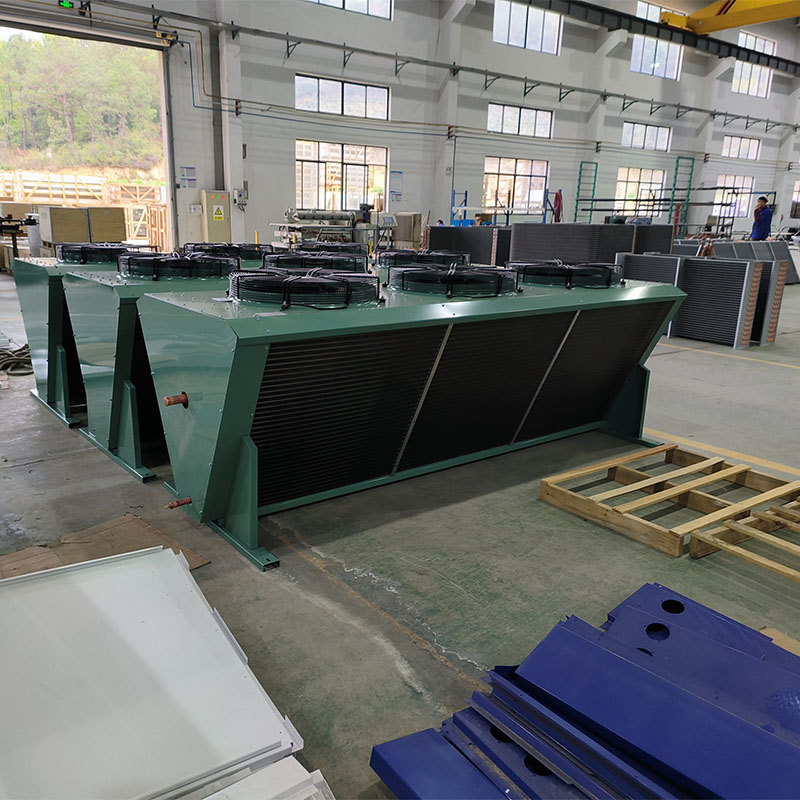
Proper installation of condenser coils is crucial for maximizing their performance and lifespan. Follow these guidelines for effective installation:
Follow Manufacturer Instructions: Always refer to the manufacturer's installation manual for specific guidance on your selected coil. This will include information on mounting, electrical connections, and refrigerant charging.
Ensure Proper Airflow: When installing the coil, ensure that there is adequate airflow around it. Obstructions can lead to overheating and reduced efficiency. Maintain clear paths for air intake and exhaust.
Inspect Connections: Check all connections, including refrigerant lines and electrical connections, for leaks or loose fittings. Tighten connections as needed to prevent refrigerant loss and ensure safety.
Check Refrigerant Levels: After installation, confirm that the refrigerant levels are appropriate for optimal operation. Proper charging is essential for efficient heat exchange.
Regular Maintenance: Implement a regular maintenance schedule to clean the coils and check for any signs of wear or damage. This preventative approach will help extend the life of the coil and enhance its performance.
By adhering to these installation guidelines, you will set up your condensing unit for optimal functionality and energy efficiency.
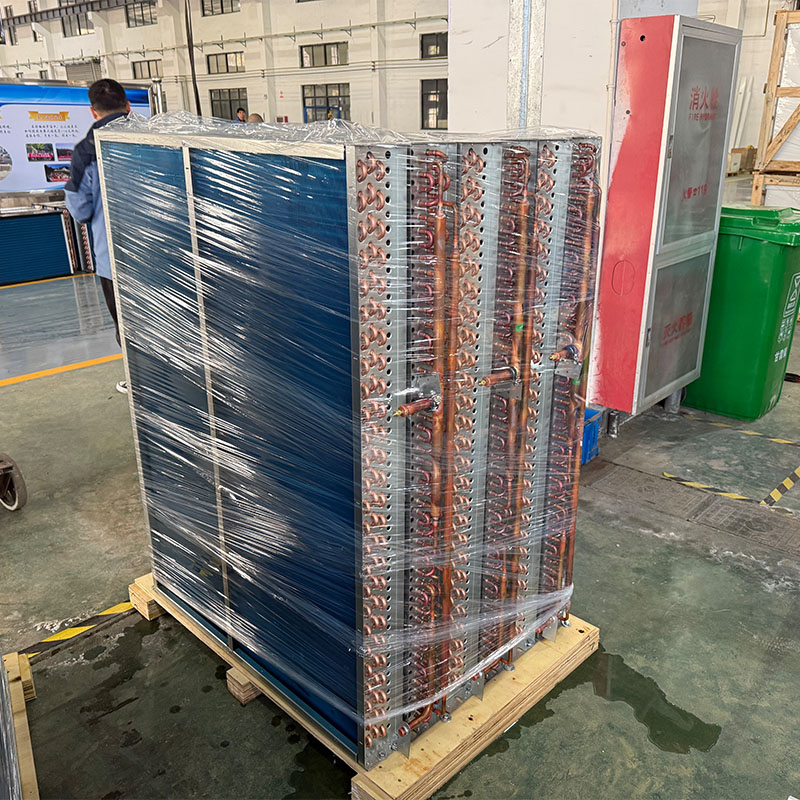
Despite their robust design, condenser coils can encounter issues that impact their performance. Here are common problems and their solutions:
Insufficient Cooling: If the condenser coil is not cooling effectively, check for airflow obstructions, dirty coils, or low refrigerant levels. Cleaning the coils and ensuring unobstructed airflow can often resolve this issue.
Leaking Refrigerant: If you notice a drop in refrigerant pressure, inspect the coil and connections for leaks. Use soap and water to check for bubbles at joints. If leaks are found, they should be repaired immediately to prevent loss of cooling capacity.
Frost Buildup: Frost or ice buildup on the coils can indicate poor airflow or low refrigerant levels. Regularly check and clean the coils, and ensure the refrigerant is properly charged to prevent this issue.
Noise: Unusual noises from the condenser may indicate mechanical issues or loose components. Inspect the coil and surrounding units for loose fittings or damaged parts.
Corrosion: In environments with high humidity or chemical exposure, corrosion can occur. Use coated coils for such applications, and regularly inspect for signs of corrosion to mitigate potential failures.
Addressing these common issues promptly can help maintain the efficiency and longevity of your condenser coils.
EMTH has a long-standing track record of success in the industry with more than 3,000 satisfied customers.
After more than 20 years of expertise, we've got full sales and production and after-sales process with more than 20 patent certificates and a skilled R&D EMTH team.
A modern plant of over 40000 square meters is in place to meet the majority Ice maker for under counter demands for production.
Special docking is offered for a complete service. This includes the design of Commercial ice maker, production installation, landing projects, and after-sales support.

Welcome to EMTH, a cold storage refrigeration equipment specialist in China! We offer innovative and effective cold storage solutions, including cold storage, evaporator, condensing unit and ice machine.
Room 304-305B, Building 5, BESHINE B.P, No. 559Zhuyuan Road, Minhang District 201112, Shanghai, China
Copyright © Shanghai EMTH Import & Export Co., Ltd. All Rights Reserved. - Privacy Policy
 EN
 AR
 BG
 HR
 CS
 DA
 NL
 FI
 FR
 DE
 EL
 IT
 JA
 KO
 NO
 PL
 PT
 RO
 RU
 ES
 TL
 IW
 ID
 LT
 SR
 VI
 HU
 TH
 MS
 AZ
 JW
 LO
 MN
 SO
 MY
 KK
 TG
 UZ
 GD
 XH