Cold rooms are essential refrigeration solutions for various industries, providing controlled environments for the storage of temperature-sensitive products. With a growing demand for coldrooms for sale, understanding the factors that influence their quality and performance is vital for B2B buyers. This article will address key concerns for purchasing managers, engineers, and product managers, offering insights on finding trusted manufacturers, evaluating technical specifications, sourcing bulk orders, considering cost factors, and comparing options effectively.
When searching for coldrooms for sale, reliability and quality should be top priorities. Look for manufacturers with a proven track record in the refrigeration industry, ideally with over 20 years of experience and recognized patents. A manufacturer that specializes in refrigeration equipment, such as air coolers, condensers, and condensing units, demonstrates a commitment to quality and innovation, ensuring that the products meet industry standards.
Additionally, consider the manufacturer's production capabilities. A modern factory equipped with advanced research and development (R&D) facilities indicates a focus on continuous improvement and adaptability to market needs. Strong customer service and support systems are also essential, as they can assist with installation, maintenance, and troubleshooting, ensuring that any issues can be resolved promptly.
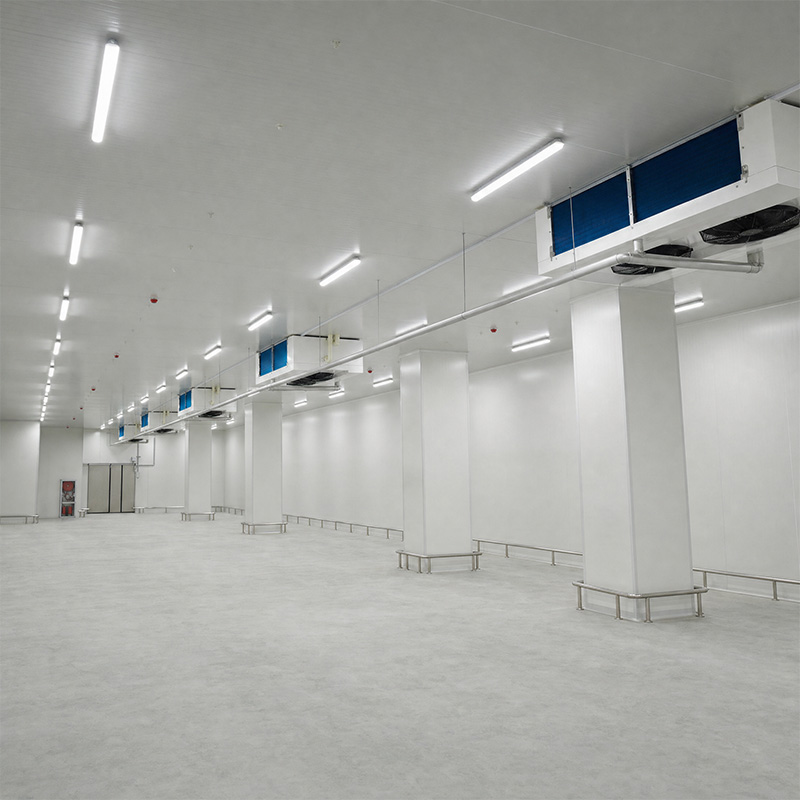
Understanding the technical specifications of cold rooms is crucial for ensuring they meet your operational needs. Key specifications include insulation thickness, material quality, and refrigeration system type.
Insulation Thickness: The thickness of the insulation directly impacts the thermal efficiency of the cold room. A thicker insulation layer reduces energy consumption and maintains the desired temperature, which is critical for preserving perishable goods.
Material Quality: The choice of materials affects durability and hygiene. Stainless steel and food-grade aluminum are common choices for interiors due to their corrosion resistance and ease of cleaning. Ensure that the materials used comply with relevant food safety standards.
Refrigeration System Type: Evaluate whether the cold room uses a direct expansion or a chilled water system. Each has its advantages depending on the scale of operation and cooling requirements. Understanding these systems allows buyers to select a cold room that aligns with their specific requirements.
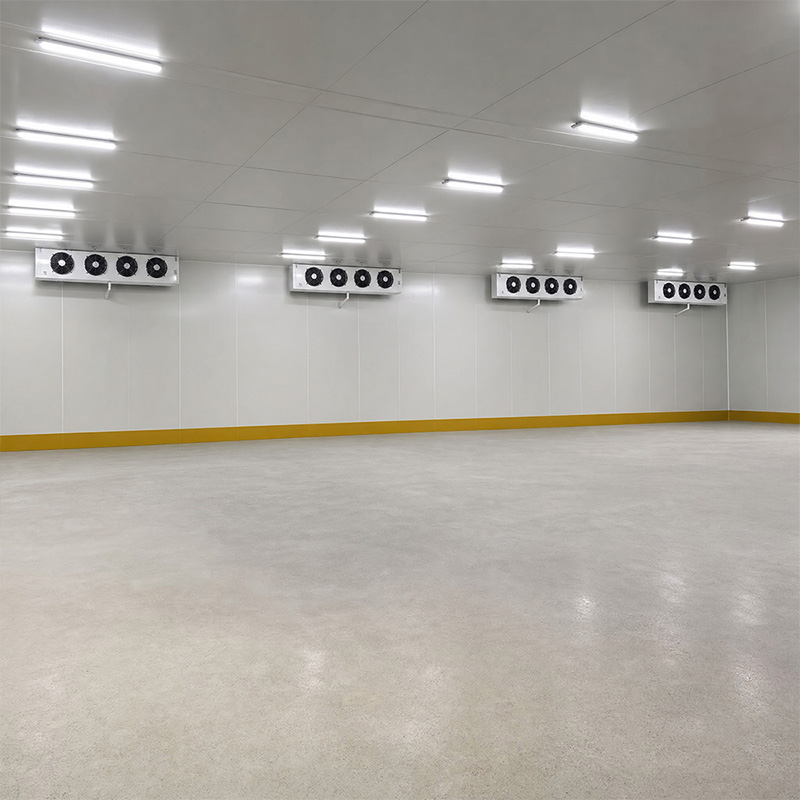
Sourcing cold rooms for bulk orders often involves engaging directly with manufacturers or authorized distributors. For large projects, establishing a relationship with a manufacturer can lead to customized solutions tailored to your specifications. Requesting quotations from multiple suppliers can help in comparing prices and assessing their willingness to accommodate customization needs.
Consider leveraging online platforms that specialize in industrial equipment, as these can provide a range of options alongside detailed product specifications. Additionally, attending industry trade shows or networking events can connect buyers with reputable suppliers and provide insights into the latest technologies and offerings in the cold room market.
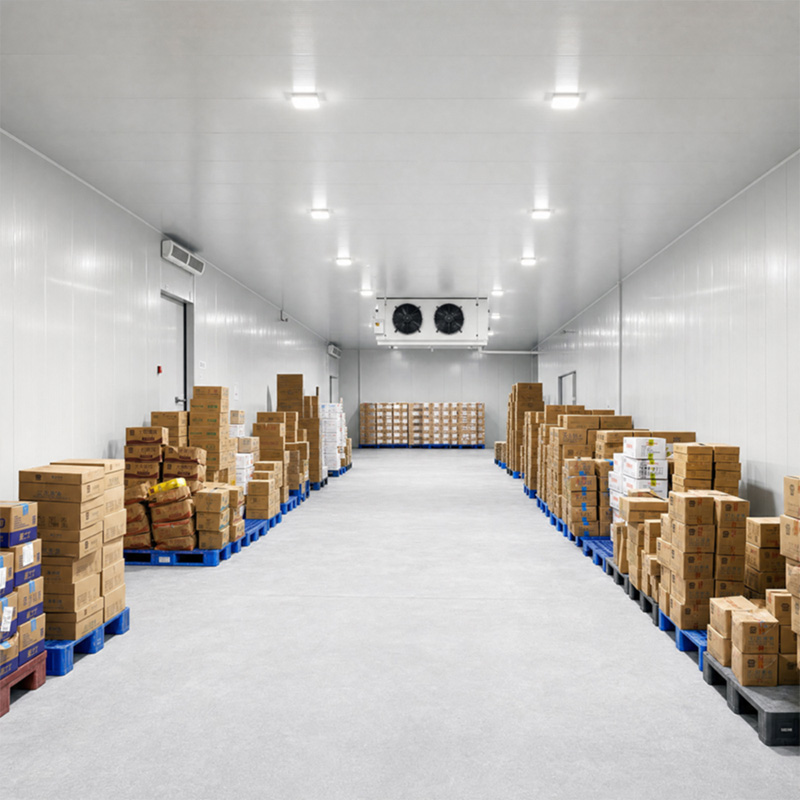
The price of cold rooms can vary significantly based on several factors. Understanding these can help in making informed purchasing decisions:
Size and Configuration: Larger cold rooms typically cost more due to increased material and insulation requirements. Custom configurations can also add to the price, depending on the complexity of the design.
Material Selection: As mentioned earlier, the choice of materials can impact costs. High-quality insulation materials, for instance, may have higher upfront costs but lead to lower operational costs due to energy savings.
Refrigeration System: The type of refrigeration system chosen will also influence costs. Advanced systems may require higher initial investment but can provide long-term energy efficiency benefits.
Installation and Maintenance: Factor in the costs associated with installation and ongoing maintenance. A reputable manufacturer often provides installation services and maintenance packages, which can ensure that the cold room operates at optimal performance.
A modern plant of over 40000 square meters is in place to meet the EMTH majority manufacturing requirements.
Over 20 years of experience, we have the complete sales and after-sales systems with more than 20 patents and a professional R&D EMTH team.
Complete service system, from the creation of plans, Ice maker for commercial production and project landing, to after-sales services, there's special docking.
With a good reputation in the industry and more than 3,000 clients who have been served, Condensing unit is a trustworthy established supplier that has been recognized by other customers.

Welcome to EMTH, a cold storage refrigeration equipment specialist in China! We offer innovative and effective cold storage solutions, including cold storage, evaporator, condensing unit and ice machine.
Room 304-305B, Building 5, BESHINE B.P, No. 559Zhuyuan Road, Minhang District 201112, Shanghai, China
Copyright © Shanghai EMTH Import & Export Co., Ltd. All Rights Reserved. - Privacy Policy
 EN
 AR
 BG
 HR
 CS
 DA
 NL
 FI
 FR
 DE
 EL
 IT
 JA
 KO
 NO
 PL
 PT
 RO
 RU
 ES
 TL
 IW
 ID
 LT
 SR
 VI
 HU
 TH
 MS
 AZ
 JW
 LO
 MN
 SO
 MY
 KK
 TG
 UZ
 GD
 XH