Cold room evaporators are essential components in refrigeration systems, designed to efficiently cool large storage spaces such as cold rooms and walk-in freezers. Understanding cold room evaporator prices is crucial for B2B buyers, including purchasing managers and engineers, as they seek to balance quality with cost-effectiveness. This article will guide you through comparing prices and features, evaluating key specifications, understanding cost factors, addressing common installation issues, and exploring the diverse applications of cold room evaporators.
When comparing cold room evaporator prices, it’s essential to look beyond the initial cost. Start by evaluating the specifications and features of different models. Key aspects include cooling capacity, energy efficiency ratings, and construction materials. A higher price may indicate better quality components, such as corrosion-resistant materials or advanced technology that enhances efficiency. Consider models that include an Air Curtain for improved energy savings and temperature control.
Requesting detailed quotations from multiple suppliers can provide insights into what features are included at various price points. Look for additional costs, such as shipping, installation, and maintenance, which can significantly impact the total cost of ownership. Ensure that you assess warranties and after-sales support, as these can add value to your purchase.
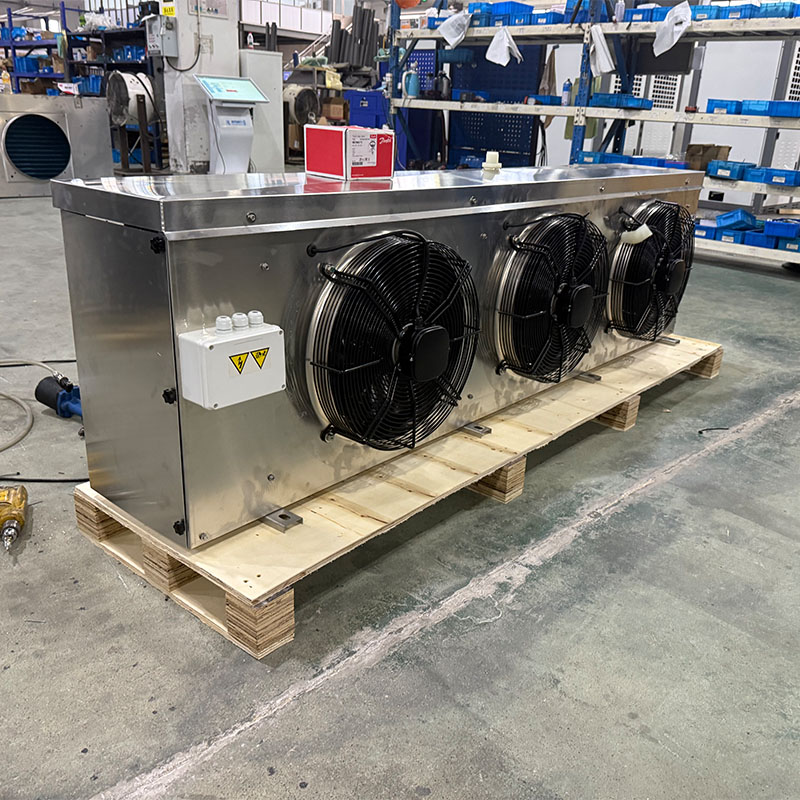
When evaluating cold room evaporators, focus on the following key specifications:
Cooling Capacity: Measured in BTUs (British Thermal Units) or kW, this indicates how much heat the evaporator can remove from the room per hour. Ensure the capacity matches your storage needs to maintain optimal temperatures.
Energy Efficiency: Look for models with high energy efficiency ratings, such as EER (Energy Efficiency Ratio) or COP (Coefficient of Performance). Efficient units reduce operational costs and minimize environmental impact.
Material Construction: The choice of materials affects durability and performance. Stainless steel is often preferred for its resistance to corrosion and long lifespan. Ensure that insulation materials meet the required standards to maintain temperature effectively.
Airflow Design: Evaluate the design of the evaporator fans and airflow patterns. Proper airflow distribution is critical for effective cooling and can prevent hot spots within the cold room.
Dimensions and Installation Requirements: Confirm that the dimensions of the evaporator fit your cold room design and check for any installation requirements that may complicate the setup.
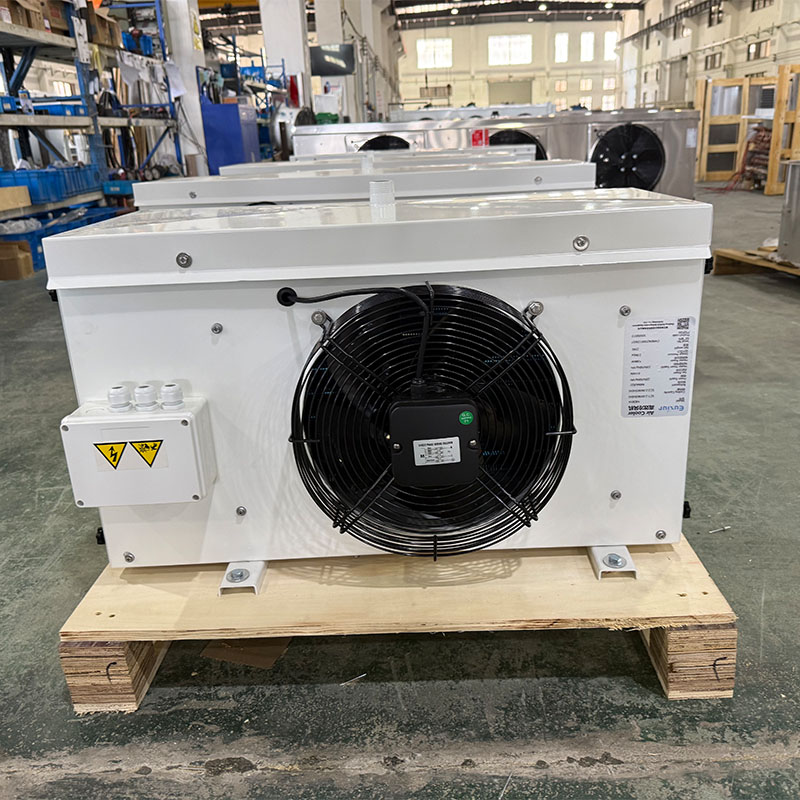
Several factors influence the pricing of cold room evaporators, including:
Material Quality: Higher-quality materials typically lead to higher costs due to their durability and performance benefits. Investing in quality materials can reduce long-term operational costs.
Technology and Features: Advanced features like variable speed fans or smart controls can increase the price but may lead to significant energy savings and improved efficiency over time. For instance, incorporating a Solenoid Valve can enhance the control systems in these evaporators.
Manufacturing Processes: The complexity of the manufacturing process can affect pricing. More sophisticated production techniques may lead to better-finished products but can also increase costs.
Customization: If specific modifications are required to meet unique operational needs, such as size adjustments or additional features, these customizations will impact the overall price.
Market Demand and Supply Chain Factors: Fluctuations in demand and supply chain disruptions can also affect pricing. Keeping an eye on market trends can help you make informed purchasing decisions.
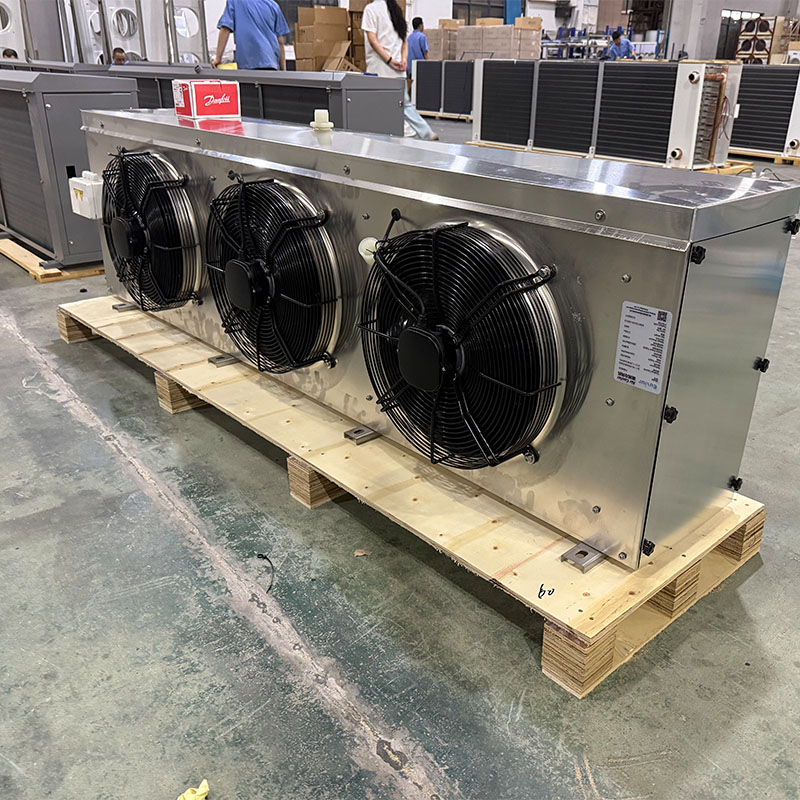
Installation of cold room evaporators can pose challenges that may affect performance. Common issues include:
Incorrect Sizing: Choosing an evaporator that is too small or too large for the intended space can lead to inefficiency. Always calculate the required cooling capacity based on the specific application before finalizing your order.
Poor Airflow Design: Insufficient clearance around the evaporator can restrict airflow, leading to uneven cooling. Ensure that there is adequate space for air circulation as per the manufacturer’s guidelines.
Vibration and Noise: If the evaporator is not installed securely, it may produce excessive noise or vibrations. Use appropriate mounting methods to minimize these issues, ensuring a quiet and stable operation.
Refrigerant Leaks: Improper installation can lead to refrigerant leaks, which not only affect cooling efficiency but also pose environmental hazards. Ensure that all connections are sealed correctly and tested for leaks during installation.
To mitigate these issues, it is advisable to engage with experienced technicians who understand the specifications and best practices for installing cold room evaporators.
Special docking is offered to provide a full range of service. This includes the creation of Cuber ice machine, production installations, landing plans, and after-sales support.
A modern facility of more than 40,000 square meters is available to meet the majority of EMTH requirements.
With a good name in the industry, with over 3,000+ clients serviced, EMTH EMTH is a trustworthy established supplier that is praised by its clients.
We have more than 20 years of experience and a highly skilled R&D EMTH staff.

Welcome to EMTH, a cold storage refrigeration equipment specialist in China! We offer innovative and effective cold storage solutions, including cold storage, evaporator, condensing unit and ice machine.
Room 304-305B, Building 5, BESHINE B.P, No. 559Zhuyuan Road, Minhang District 201112, Shanghai, China
Copyright © Shanghai EMTH Import & Export Co., Ltd. All Rights Reserved. - Privacy Policy
 EN
 AR
 BG
 HR
 CS
 DA
 NL
 FI
 FR
 DE
 EL
 IT
 JA
 KO
 NO
 PL
 PT
 RO
 RU
 ES
 TL
 IW
 ID
 LT
 SR
 VI
 HU
 TH
 MS
 AZ
 JW
 LO
 MN
 SO
 MY
 KK
 TG
 UZ
 GD
 XH