Understanding condenser compressor units is crucial for businesses involved in refrigeration and HVAC systems. These units play a vital role in cooling applications, directly influencing energy efficiency and operational effectiveness. As a purchasing manager or engineer, your main concerns likely revolve around performance specifications, compatibility with existing systems, and overall reliability. This article will guide you through the essential aspects of condenser compressor units, helping you make informed decisions that align with your operational needs.
When evaluating condenser compressor units, several specifications are critical to ensure optimal performance. Key specifications include cooling capacity, power consumption, refrigerant type, and operating temperature range.
Cooling Capacity: Measured in BTU or kW, this indicates how much heat the unit can remove per hour. It's essential to select a capacity that matches your application demands to avoid energy inefficiencies.
Power Consumption: This specification relates to the energy efficiency of the unit. Units with a higher Energy Efficiency Ratio (EER) will save on operational costs over time.
Refrigerant Type: Different refrigerants have varying environmental impacts and efficiency levels. Ensure compatibility with your existing system and compliance with local regulations.
Operating Temperature Range: Knowing the ambient temperature conditions where the unit will operate helps in selecting a unit capable of maintaining performance without failure.
These specifications help determine the suitability of a condenser compressor unit for specific applications, whether in cold storage, commercial refrigeration, or industrial processes. For example, units designed for cold rooms must meet specific cooling capacity requirements to maintain the desired temperature effectively.
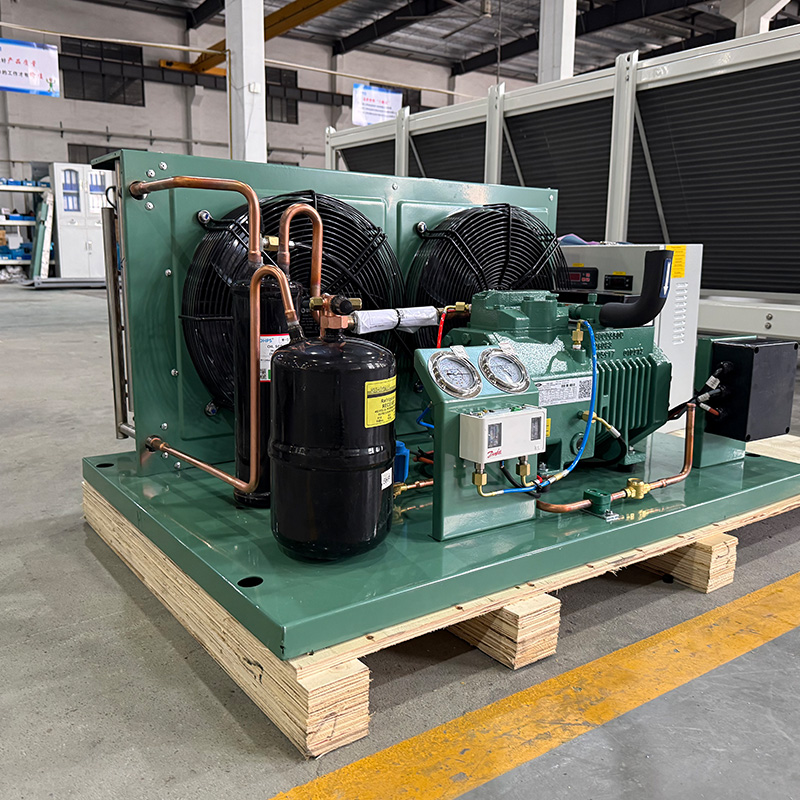
Several factors influence the performance and longevity of condenser compressor units. Understanding these can guide your purchasing decisions:
Material Quality: High-quality materials ensure durability and resistance to corrosion. Look for units constructed with materials like stainless steel or specially treated aluminum, which can withstand the harsh conditions often found in refrigeration environments.
Manufacturing Precision: Precision in the manufacturing process affects the efficiency and reliability of these units. Check if the manufacturer employs strict quality control measures and advanced production techniques, as this will influence the final product's performance.
Customization Options: Depending on your specific application needs, you might require customized features, such as specialized connections or unique size requirements. Verify the manufacturer's ability to tailor products to meet these demands, including options for control boxes that suit your setup.
Certifications and Standards: Ensure the units comply with industry standards and certifications, as this can affect both performance and regulatory compliance. Certifications like ISO or CE indicate adherence to quality and safety regulations.
By considering these factors, you can select a condenser compressor unit that meets your operational needs while ensuring reliability and efficiency.
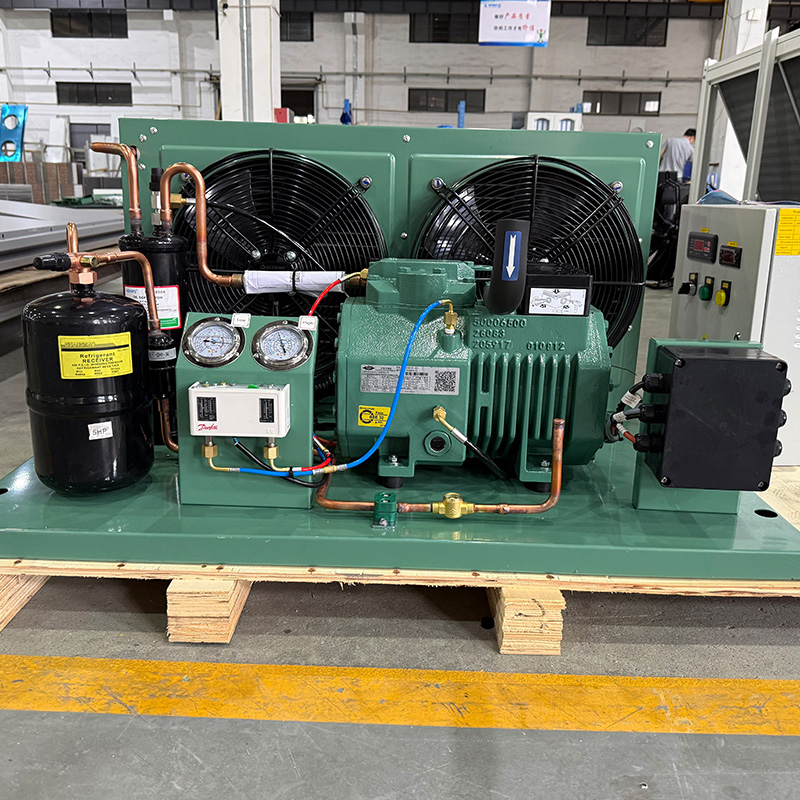
When purchasing condenser compressor units in bulk, the following tips can streamline the process and ensure you get the best value:
Request Detailed Quotations: Provide potential suppliers with specific details such as model numbers, required quantities, and technical specifications. This ensures you receive accurate pricing and availability information.
Evaluate MOQs (Minimum Order Quantities): Different manufacturers have varying MOQ requirements. Understanding these can help you plan your purchases and avoid excess inventory.
Assess Lead Times: Inquire about lead times for production and delivery. This is crucial for planning your project timelines, especially if you're coordinating with other equipment or installations.
Review Sample Approval Processes: Before committing to a large order, request samples to assess quality and compatibility with your existing systems. This step can help mitigate risks associated with bulk purchases.
Compare Multiple Suppliers: Don’t settle for the first quote. Comparing multiple suppliers allows you to evaluate pricing, quality, and service. Consider factors such as warranty terms and after-sale support, as these can significantly impact your long-term satisfaction.
Following these tips will help ensure a smooth purchasing process and ultimately lead to a better selection of condenser compressor units, including the right refrigeration accessories that may be needed for your installation.
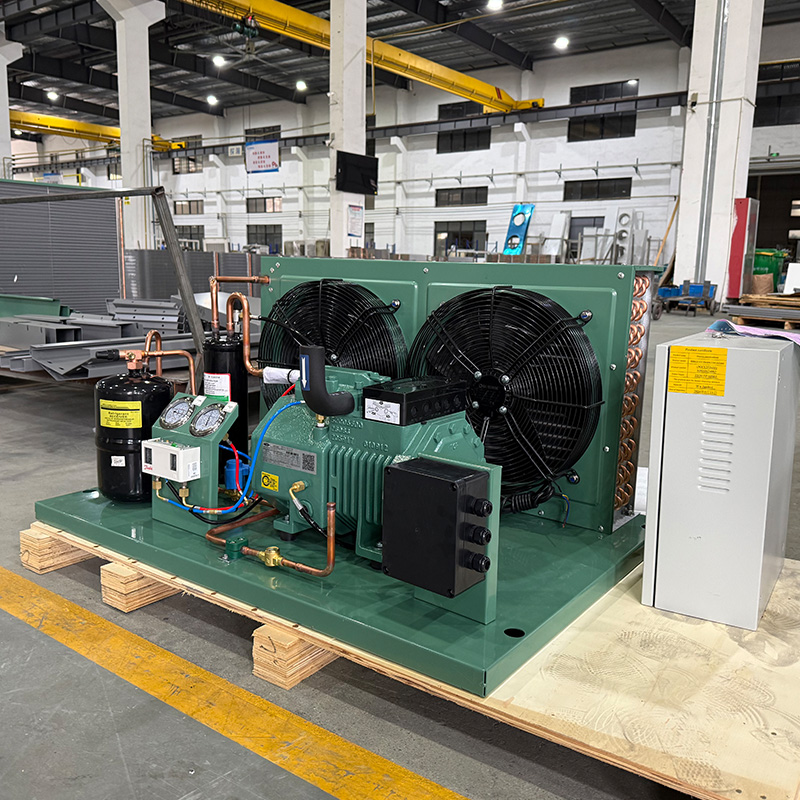
Understanding common issues associated with condenser compressor units can help you proactively address potential problems and minimize downtime:
Insufficient Cooling: This issue may arise due to incorrect sizing, inadequate refrigerant levels, or airflow obstructions. Regular maintenance checks should include verifying refrigerant levels and ensuring that airflow is not impeded by dust or debris.
High Energy Consumption: If a unit is consuming more energy than expected, it could indicate a failing compressor or poor insulation around the unit. Conducting energy audits and routine inspections can help identify these issues early.
Noise and Vibration: Excessive noise may indicate loose components or imbalance in the system. Regular maintenance and tight inspections can help prevent these issues from escalating.
Leaking Refrigerant: This can lead to decreased efficiency and environmental concerns. Regular leak checks and immediate repairs are essential to maintain system integrity and compliance with environmental regulations.
By being aware of these common problems and their solutions, you can enhance the reliability and efficiency of your condenser compressor unit installations.
Special docking is offered for a complete service. This includes the design of Commercial ice maker, production installation, landing projects, and after-sales support.
EMTH EMTH has a track record in the field with over 3,000+ happy customers.
With more than 20 years of knowledge, we've developed a a complete production and sales and after-sales system with more than 20 patent certificates and a highly skilled R&D EMTH team.
A modern plant of over 40000 square meters is in place to meet the majority Ice maker for under counter demands for production.

Welcome to EMTH, a cold storage refrigeration equipment specialist in China! We offer innovative and effective cold storage solutions, including cold storage, evaporator, condensing unit and ice machine.
Room 304-305B, Building 5, BESHINE B.P, No. 559Zhuyuan Road, Minhang District 201112, Shanghai, China
Copyright © Shanghai EMTH Import & Export Co., Ltd. All Rights Reserved. - Privacy Policy
 EN
 AR
 BG
 HR
 CS
 DA
 NL
 FI
 FR
 DE
 EL
 IT
 JA
 KO
 NO
 PL
 PT
 RO
 RU
 ES
 TL
 IW
 ID
 LT
 SR
 VI
 HU
 TH
 MS
 AZ
 JW
 LO
 MN
 SO
 MY
 KK
 TG
 UZ
 GD
 XH