Understanding the pricing of condensers is crucial for businesses involved in refrigeration and HVAC applications. The condenser price can significantly impact overall project budgets and operational efficiency. As a purchasing manager or engineer, you may have concerns about quality, specifications, and the long-term reliability of the equipment. This article will guide you through evaluating condenser prices for bulk purchases, comparing key specifications, understanding cost factors, addressing common problems, and exploring various industry applications.
When assessing condenser prices for bulk purchases, it's essential to consider not just the unit price but also the overall value. Start by comparing quotes from multiple suppliers, ensuring that you're looking at similar specifications and quality levels. Pay attention to the manufacturer’s reputation, production capabilities, and history of delivering on time.
Request detailed quotations that outline not only the pricing but also the terms of delivery and any additional costs such as shipping and duties. This enables a complete understanding of the total cost involved. Additionally, consider the minimum order quantities (MOQs) and how they align with your project requirements. For instance, if your project needs a large number of units, ensure that the supplier can meet that demand without compromising quality.
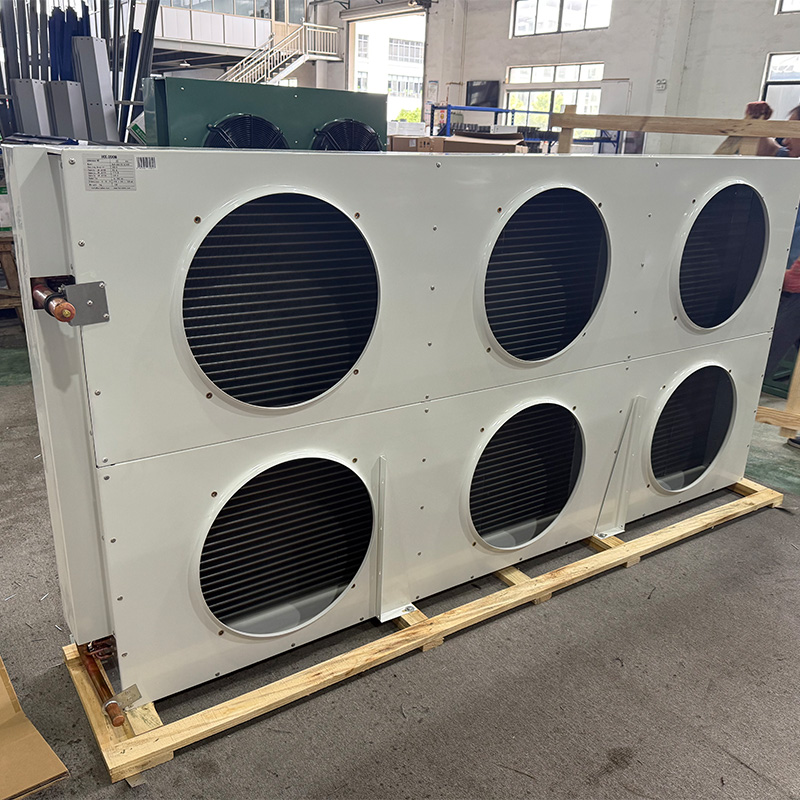
Key specifications significantly influence the performance and longevity of condensers. Important factors to compare include:
Material: The material used in the condenser can affect its durability and efficiency. Copper is often preferred for its thermal conductivity, but aluminum may be a lighter and more cost-effective option.
Dimensions: Ensure that the dimensions of the condenser fit your system requirements. A unit that is too large or too small can lead to inefficiencies or installation issues.
Cooling Capacity: This is typically measured in BTUs or tons and indicates how much heat the condenser can remove from the system. Matching the cooling capacity to your specific application is crucial for optimal performance.
Energy Efficiency Rating: Look for units that have a high energy efficiency rating, as this can lead to significant savings in operational costs over time.
Pressure Ratings: Understanding the maximum pressure the condenser can handle is vital, especially in high-pressure systems. This ensures safety and reliability during operation.
When evaluating these specifications, consider how each aspect relates to your specific application and operational requirements.
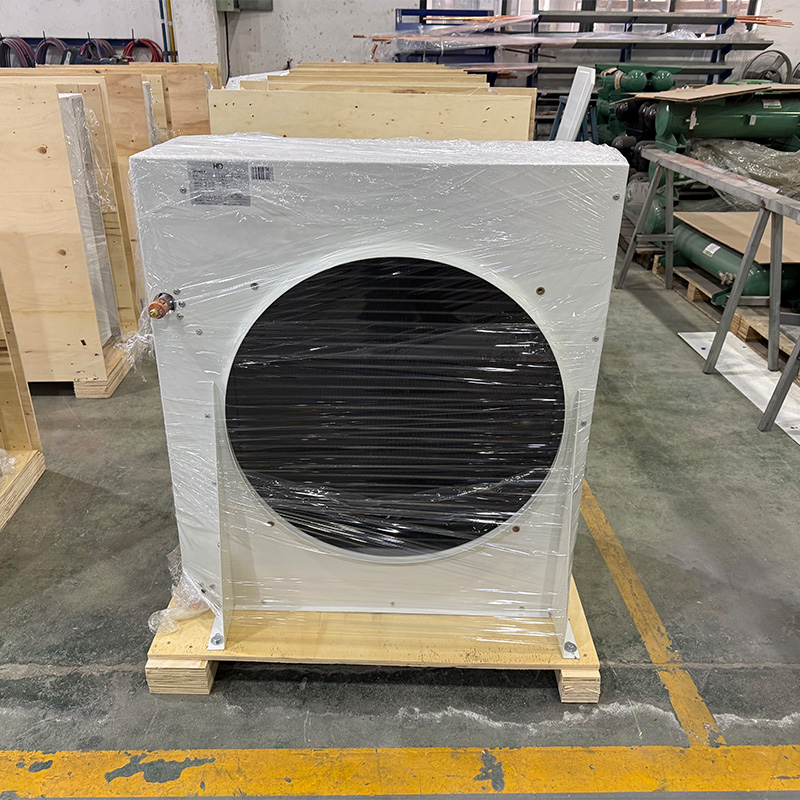
Various factors contribute to the cost of high-quality condensers. Here are the primary considerations that can influence pricing:
Material Quality: Higher-grade materials often increase the cost but can enhance durability and efficiency. Investing in better materials can reduce long-term maintenance costs.
Manufacturing Process: Advanced manufacturing techniques, such as precision welding and high-quality surface treatments, improve performance but may increase production costs.
Customization: Custom specifications tailored to unique applications can raise prices. However, these modifications often result in better performance and integration with existing systems.
Quality Control Processes: A robust quality assurance protocol can add to the initial cost but is critical for ensuring reliability. Consider suppliers who conduct thorough testing and inspections before shipping.
Market Demand: Fluctuations in demand can affect prices. Understanding current market trends can help you negotiate better terms or timing for bulk purchases.
By evaluating these cost factors, you can make informed decisions that balance initial investment with long-term benefits.
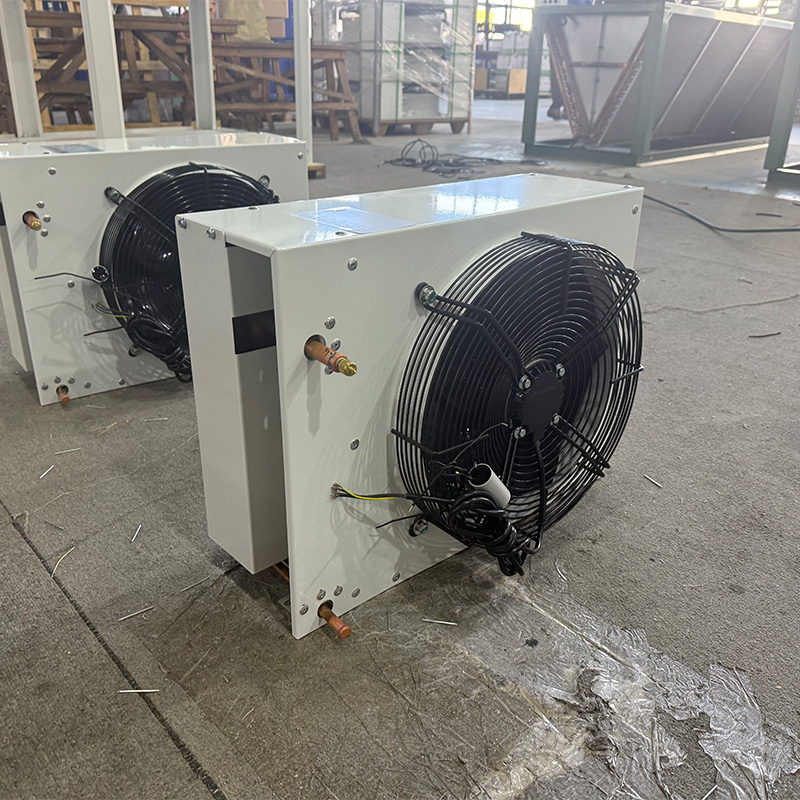
Despite their vital role in refrigeration systems, condensers can encounter several common issues:
Poor Performance: Inadequate cooling can result from improper sizing or installation. Ensure that the condenser matches the cooling load of your system, and consult with engineers if necessary.
Corrosion: Exposure to harsh environments can lead to corrosion. Using high-quality materials and protective coatings can mitigate this risk.
Refrigerant Leaks: Leaks can drastically reduce system efficiency. Regular maintenance and inspections should include checking for leaks, especially around joints and connections.
Blockages: Dust and debris can obstruct airflow, leading to overheating. Implementing regular cleaning schedules can prevent this issue.
Addressing these problems proactively can enhance the lifespan and performance of your condensers, ultimately reducing downtime and maintenance costs.
The modern factory has an area greater than 40,000 square meters, to satisfy the majority of the EMTH production requirements.
Complete service system, from the creation of plans, Ice maker for commercial production and project landing, to after-sales services, there's special docking.
We have more than 20 years of experience and an experienced R&D EMTH.
With a good reputation in the industry and more than 3,000 clients who have been served, Condensing unit is a trustworthy established supplier that has been recognized by other customers.

Welcome to EMTH, a cold storage refrigeration equipment specialist in China! We offer innovative and effective cold storage solutions, including cold storage, evaporator, condensing unit and ice machine.
Room 304-305B, Building 5, BESHINE B.P, No. 559Zhuyuan Road, Minhang District 201112, Shanghai, China
Copyright © Shanghai EMTH Import & Export Co., Ltd. All Rights Reserved. - Privacy Policy
 EN
 AR
 BG
 HR
 CS
 DA
 NL
 FI
 FR
 DE
 EL
 IT
 JA
 KO
 NO
 PL
 PT
 RO
 RU
 ES
 TL
 IW
 ID
 LT
 SR
 VI
 HU
 TH
 MS
 AZ
 JW
 LO
 MN
 SO
 MY
 KK
 TG
 UZ
 GD
 XH