When it comes to maintaining optimal temperatures in commercial refrigeration systems, selecting the right commercial condenser unit is crucial. These units play a vital role in heat exchange processes, ensuring that your cooling systems operate efficiently. B2B buyers, such as purchasing managers and engineers, often face challenges in identifying the best options that meet their specifications, application needs, and budget constraints. This article will guide you through key specifications, installation guidance, cost factors, and applications to help you make an informed decision.
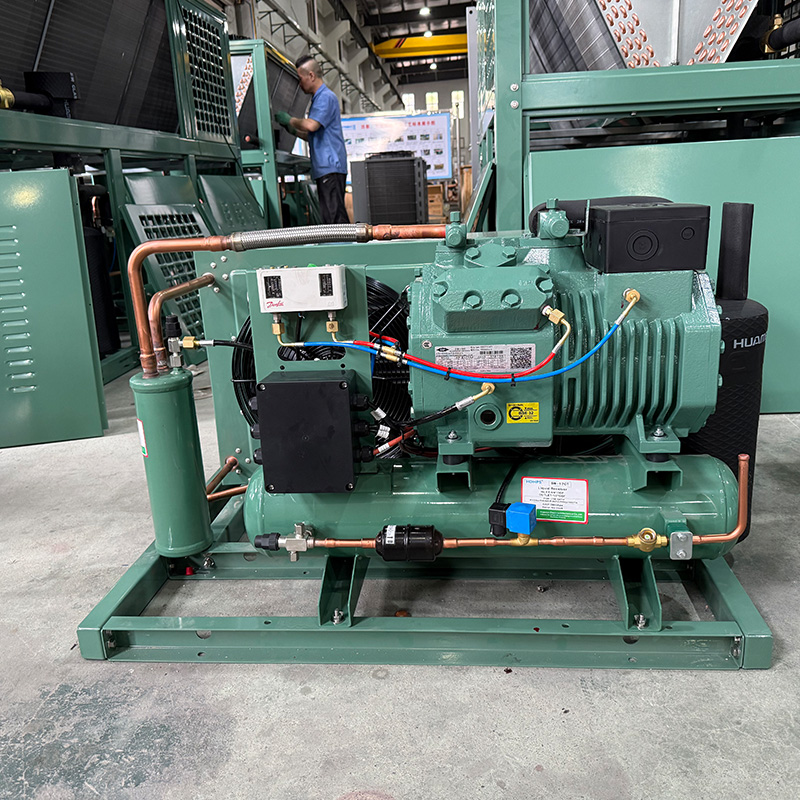
When evaluating commercial condenser units, several key specifications must be considered to ensure performance and compatibility with your system.
Cooling Capacity: Measured in BTUs (British Thermal Units), this indicates how much heat a condenser can remove. It’s essential to match the cooling capacity with your refrigeration system’s demands to prevent underperformance or energy inefficiency.
Refrigerant Type: Different refrigerants have varying effects on efficiency and environmental impact. Common refrigerants include R-410A and R-404A. Understanding the refrigerant compatibility with your existing system is necessary to avoid operational issues.
Material and Build Quality: Commercial condenser units are typically made from materials like copper and aluminum for their excellent thermal conductivity and durability. Assessing the build quality helps ensure longevity and resistance to environmental factors.
Fan Type and Size: The fan's design affects airflow and cooling efficiency. Larger fans can move more air, reducing energy consumption while ensuring effective heat exchange.
Noise Level: For units installed in or near workspaces, considering the sound rating is important. Look for models designed for quieter operation, which can enhance working conditions.
Size and Dimensions: Ensure that the unit fits within your designated space and meets any installation requirements. Accurate measurements prevent potential operational issues later.
When sourcing commercial condenser units, consider the following factors to streamline your selection process:
Energy Efficiency Ratings: Look for units with high SEER (Seasonal Energy Efficiency Ratio) or EER (Energy Efficiency Ratio) ratings. Higher ratings indicate better efficiency, translating into lower operational costs over time.
Certifications: Ensure that the units comply with industry standards and certifications, which can include ISO and CE markings. These certifications provide assurance of quality and performance.
Warranty and Support: A robust warranty reflects the manufacturer's confidence in their product. Assess the warranty duration and what it covers, along with the availability of customer support for troubleshooting.
Customization Options: Depending on your specific needs, customization may be necessary. Confirm if the manufacturer can provide tailored solutions, such as varying sizes or additional features.
Supplier Reputation: Evaluating suppliers based on their experience, reviews, and manufacturing capabilities can significantly impact your selection process. A supplier like Shanghai EMTH, with over 20 years in the industry, can offer valuable insights and a proven track record. Additionally, consider integrating refrigeration accessories that complement your condenser unit for improved efficiency.
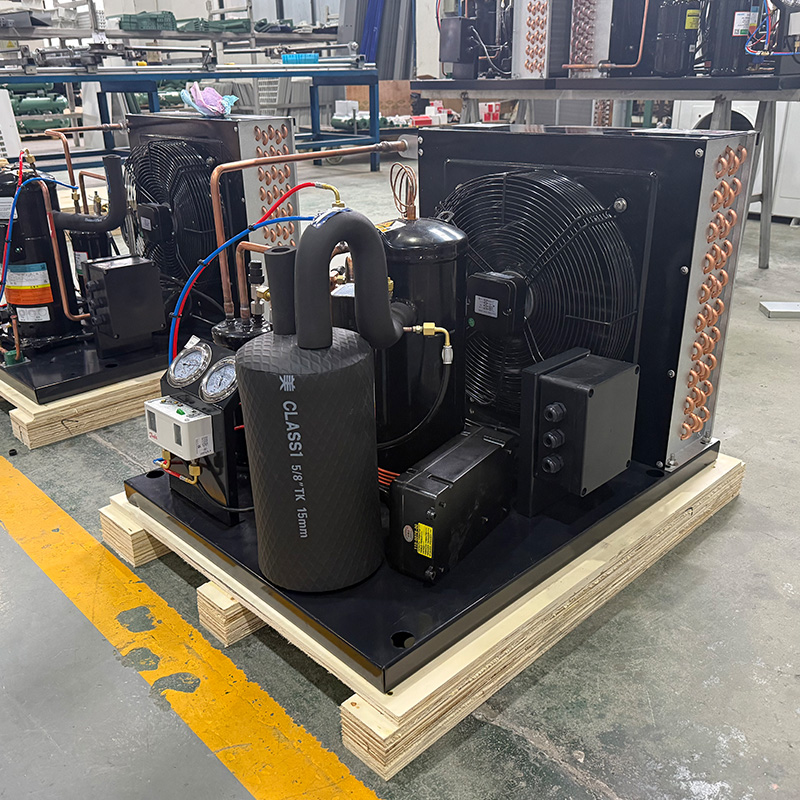
Proper installation is crucial to maximizing the efficiency and lifespan of your commercial condenser unit. Here are key considerations:
Location: Install the condenser unit in a well-ventilated area to ensure effective heat dissipation. Avoid placing it near obstructions that could hinder airflow.
Foundation and Mounting: Ensure that the unit is mounted on a stable foundation and is level to prevent vibrations, which can lead to wear and tear over time.
Electrical Connections: Hire a qualified technician to handle electrical connections. Improper wiring can lead to performance issues or safety hazards.
Refrigerant Lines: Ensure that the refrigerant lines are correctly sized and insulated to minimize energy loss and maintain efficiency. Any leaks should be promptly addressed to avoid system failure.
Regular Maintenance: Schedule regular maintenance checks to ensure the unit operates optimally. This includes cleaning coils, checking refrigerant levels, and verifying electrical connections.
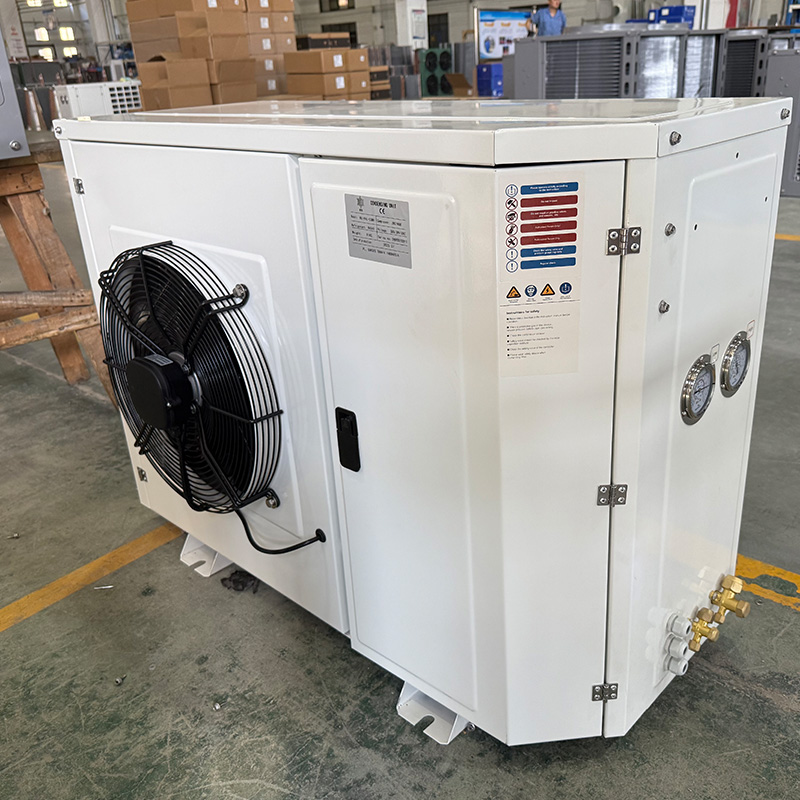
When purchasing commercial condenser units, especially in bulk, several cost factors come into play:
Unit Price: The base cost of each unit can vary significantly based on its specifications, brand, and customization options. Always compare multiple suppliers to find competitive pricing.
Shipping and Handling: Depending on the distance and logistics, shipping costs can add significantly to the overall expense. Discuss with suppliers about shipping terms and potential bulk order discounts.
Installation Costs: Include installation expenses in your budget. Hiring skilled technicians is essential for ensuring proper setup and can prevent costly mistakes.
Potential Discounts: Many manufacturers offer discounts for bulk orders. Inquire about minimum order quantities (MOQ) and any price breaks for larger purchases.
Long-term Savings: While initial costs are important, consider energy efficiency and maintenance costs over the lifespan of the unit. Investing in higher-quality, energy-efficient models can lead to substantial savings.
The modern factory has an area greater than 40,000 square meters, to satisfy the majority of the EMTH production requirements.
With a good reputation in the industry and more than 3,000 clients who have been served, Condensing unit is a trustworthy established supplier that has been recognized by other customers.
With more than 20 years of knowledge, we've developed a a complete production and sales and after-sales process with more than 20 patent certificates and a skilled R&D EMTH team.
With a full service system, from the formulation of plans, production of Condensing units as well as project landing until after-sales assistance, there's special docking.

Welcome to EMTH, a cold storage refrigeration equipment specialist in China! We offer innovative and effective cold storage solutions, including cold storage, evaporator, condensing unit and ice machine.
Room 304-305B, Building 5, BESHINE B.P, No. 559Zhuyuan Road, Minhang District 201112, Shanghai, China
Copyright © Shanghai EMTH Import & Export Co., Ltd. All Rights Reserved. - Privacy Policy
 EN
 AR
 BG
 HR
 CS
 DA
 NL
 FI
 FR
 DE
 EL
 IT
 JA
 KO
 NO
 PL
 PT
 RO
 RU
 ES
 TL
 IW
 ID
 LT
 SR
 VI
 HU
 TH
 MS
 AZ
 JW
 LO
 MN
 SO
 MY
 KK
 TG
 UZ
 GD
 XH