
 EN
EN
 AR
AR
 BG
BG
 HR
HR
 CS
CS
 DA
DA
 NL
NL
 FI
FI
 FR
FR
 DE
DE
 EL
EL
 IT
IT
 JA
JA
 KO
KO
 NO
NO
 PL
PL
 PT
PT
 RO
RO
 RU
RU
 ES
ES
 TL
TL
 IW
IW
 ID
ID
 LT
LT
 SR
SR
 VI
VI
 HU
HU
 TH
TH
 MS
MS
 AZ
AZ
 JW
JW
 LO
LO
 MN
MN
 SO
SO
 MY
MY
 KK
KK
 TG
TG
 UZ
UZ
 GD
GD
 XH
XH

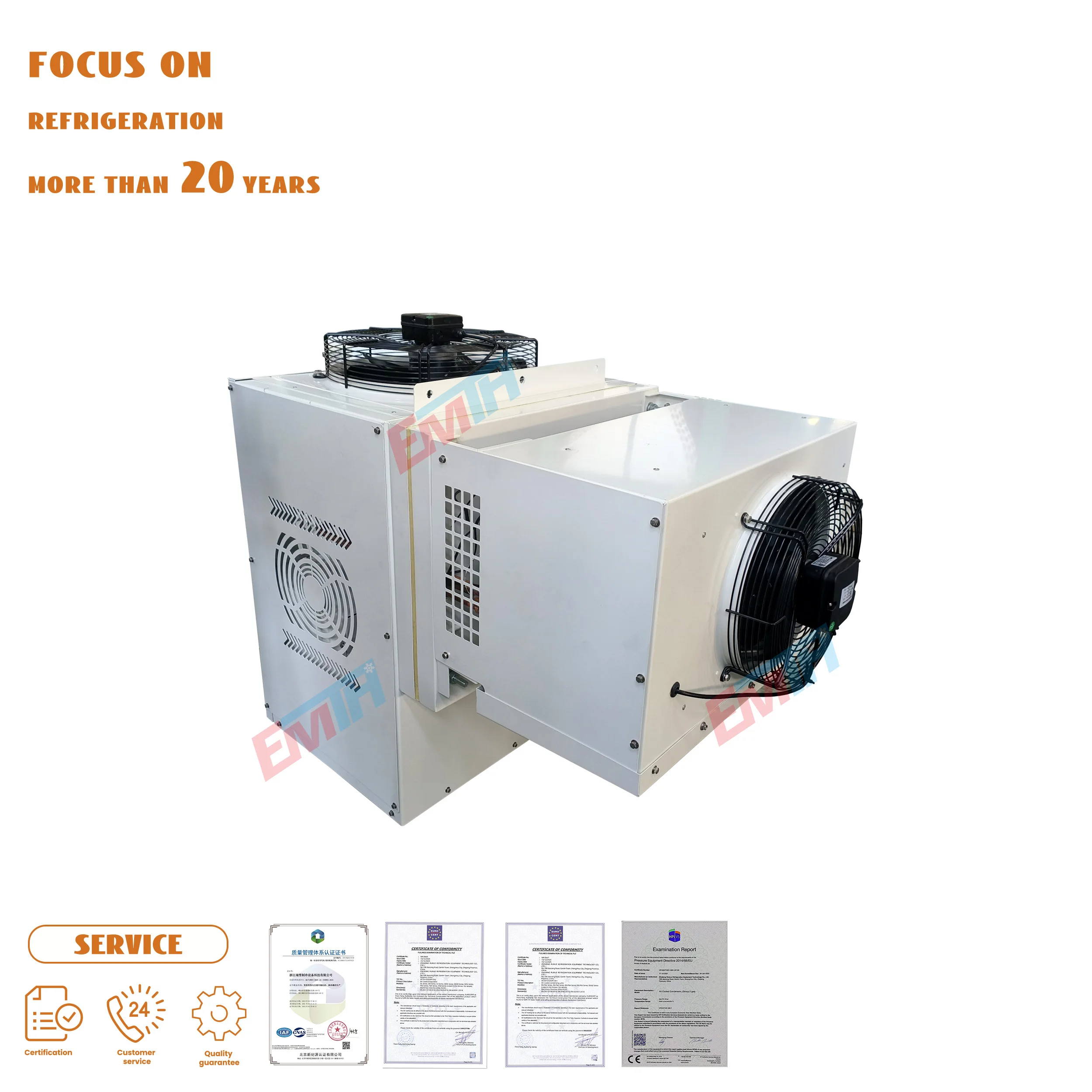
What does cooling capacity mean? Cooling Capacity is a huge factor when it comes to condensing units. At EMTH, we understand cooling capacity is how much heat a unit can remove from a room in an hour. Typically measured in British Thermal Units (BTUs) or tons. For instance, a 12,000 BTU unit can remove enough heat from a room to keep it cool and comfortable. With the right cooling capacity, condensing units help keep buildings at a safe and comfortable temperature, which is crucial. Recognizing this makes people better equipped to pick the right unit for their needs.
What Is the Cooling Efficiency in a Condensing Unit and Why Does It Matter
What is cooling capacity in a condensing unit? This is measured in BTUs. Consider it like this: If you have a small room, you don’t need a giant air conditioner. A little smaller will do nicely. But, if you have a large space, you’re going to need something that takes up more of the cooling slack. An undersized unit can’t meet the demand of the heat, and you’ll be uncomfortable. A too-big unit, on the other hand, will cool the space quickly and cycle on and off more often in comparison, possibly wasting energy. So, when the Downside of buying a model that’s too large is that it becomes inefficient to turn on and off so many times an hour. The unit could also fail or freeze up sooner because it’s pulling more weight than necessary. That’s why it’s so critical to select a unit with the correct cooling capacity, and that’s where EMTH comes in for guidance on the best unit for your space.
How Does Cooling Capacity Affect the Efficiency of an HVAC System?
The cooling capacity of a system also determines how energy efficient an HVAC system will be. An HVAC system with optimal cooling capacity is more efficient. Because an oversized unit consumes more electricity than a properly sized model it results in higher electrical bills. For example, if you choose a condensing unit that cools more than your home needs, it can cycle on and off frequently. This is known as short cycling, and it’s an energy waster. On the other hand, a properly-sized unit that can accommodate cooling needs works efficiently and with economical power. A properly sized unit can save you money and benefit the environment by reducing energy consumption. It believes that energy efficiency is not just to help your wallet; it’s also better for the planet. There’s a way to avoid the trouble, though. Only cool down as much area you need and new space in general will stay comfortable all season with these units’ help. Knowing these concepts will help you to make a more informed decision when choosing a outdoor condensing unit for your usage.
Understanding Cooling Capacity - A Guide for Wholesale Buyers of Condensing Units
The buyer of a condensing unit, particularly wholesale buyers, needs to understand the concept of capacities. By cooling capacity, we mean how much heat a unit can pull out of the air in a given time period. This is usually measured in BTUs, or British Thermal units. For wholesalers, knowing the cooling capacity allows them to pick the appropriate units for their clients. A buyer who doesn’t know this might sell a unit that is either too weak or to strong for the space it’s trying to cool. If the unit is too under powered, it can’t cool a room effectively and the customers will be upset with their purchase. Conversely, if it’s too powerful, it can chill a room in an instant, leaving you in the cold and wasting energy. EMTH hopes to aid wholesale buyers in making the right decisions. By mastering cooling power, they can connect the right product to the right customer foot condition. It’s this kind of insight that leads to happier customers and that has the potential to win over more sales. Clear conception also aids in the organization of future requirements. For instance, if a buyer is aware that a customer’s business will expand, they can recommend a unit with higher cooling capacity to accommodate increasing needs. This can also foster trust and a good relationship between buyers and their clients. All in all, having good general knowledge about cooling capacity helps wholesale buyers to be more confident and serve their customers adequately.
Why Proper Cooling Capacity Is Crucial for Air-Cooled Condensing Units
Cooling capacity is not only critical for how well a air cooled condensing unit cools, it also affects the overall performance of an entire system. The system is composed of many parts that must work together, and each part needs to be the correct size and strength to fulfill its role. If the cooling power is off, other components in your system may have to labor more, creating trouble. For instance, if a unit is oversized for the space, it might short cycle. This is known as short-cycling, and it can decrease the system’s efficiency. Short-cycling can waste energy and increase your bills. It may also lead to more wear and tear on the unit, which could result in, you guessed it, needing more repairs and having a shorter lifespan. Conversely, if the cooling power is too low, the AC will operate non-stop in an effort to cool your area. This can waste energy and end up costing even more. EMTH knows right cooling capacity keeps the equipment working smooth and efficiently. That’s why it’s necessary to strike a balance.’ When sizing is this close, the system operates well and keeps your space comfortable while saving you some energy. This equilibrium is essential in the happy customer who can live with their cooling system without fear of high bills, or constant run-ins with service and repair.
Key Factors to Consider When Determining Cooling Capacity
Several considerations must be made when assessing cooling capacity. First, the size of the area being cooled is important. A small room doesn’t require as many square feet of cooling as a large room. Buyers can measure the room’s square footage to help determine the appropriate capacity. Beyond that, the number of individuals in a room could effect cooling requirements. The more people, the more heat produced, so for a room that frequently hosts a lot of people, you will need lots of cooling power. Another consideration is the heat created by appliances and other equipment in the area. Kitchens or server rooms, for example, typically have additional sources of heat and require more cooling. EMTH says you should also take a look at the insulation of the building. The better insulated your living space, the less power needed to cool it down. Windows and sun also matter. If there are large windows or a lot of sun exposure in your rooms, you may need more air conditioning power to keep cool. Finally, local climate is an important factor that must be taken into account. In warmer climates, a greater cooling capacity could be required to handle the additional heat. Looking at all of these factors together, buyers’ customers can be sure to have the right cooling capacity for their needs. This intelligent scrutiny equals performance gains, energy savings and happy customers.
Table of Contents
- What Is the Cooling Efficiency in a Condensing Unit and Why Does It Matter
- How Does Cooling Capacity Affect the Efficiency of an HVAC System?
- Understanding Cooling Capacity - A Guide for Wholesale Buyers of Condensing Units
- Why Proper Cooling Capacity Is Crucial for Air-Cooled Condensing Units
- Key Factors to Consider When Determining Cooling Capacity