
 EN
EN
 AR
AR
 BG
BG
 HR
HR
 CS
CS
 DA
DA
 NL
NL
 FI
FI
 FR
FR
 DE
DE
 EL
EL
 IT
IT
 JA
JA
 KO
KO
 NO
NO
 PL
PL
 PT
PT
 RO
RO
 RU
RU
 ES
ES
 TL
TL
 IW
IW
 ID
ID
 LT
LT
 SR
SR
 VI
VI
 HU
HU
 TH
TH
 MS
MS
 AZ
AZ
 JW
JW
 LO
LO
 MN
MN
 SO
SO
 MY
MY
 KK
KK
 TG
TG
 UZ
UZ
 GD
GD
 XH
XH

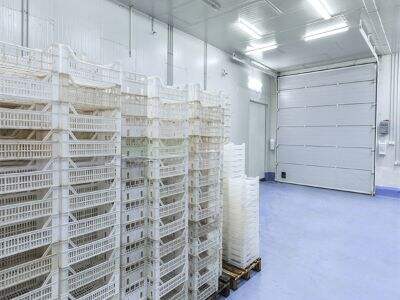
And commercial freezer rooms are a necessity for keeping food and other products cold. They save businesses cash and power. A big part of the effectiveness of a freezer room has to do with how thick the insulation is. Insulation also acts as a barrier to the movement of air. If the insulation isn't thick enough, the Freezer room does more work. In other words, it utilizes more energy and can be more expensive in terms of cost. EMTH knows that proper thickness of insulation is essential for energy saving of freezer rooms. So how does the thickness of insulation affect your energy bill, and what are some common misconceptions people have about it?
What does the Thickness of Insulation Have to do with Energy Costs in Freezer Rooms?
The insulation thickness makes a big difference in how much refrigeration a freezer room uses. And thick insulation forms a formidable barrier to hold cold air in. This is because the Cold room freezer doesn’t have to run as often in order to remain cold. For instance, a freezer room with insulation 4 inches thick will be more efficient than one with 2 inches of insulation. The thicker insulation slows down the transfer of heat, which is what we care about when warm air tries to get inside. The cooler the freezer, the less electricity it uses. This means lower energy bills for businesses.
Let’s consider a true-to-life example. Consider a supermarket that contains two freezer rooms, one with 2‑inch-thick insulation and the other with 6‑inch insulation. The 2-inch-insulated freezer might consume $300 of electricity a month. The 6-inch one with insulation would only need about $200 a month by contrast. That is $1,200 in savings over a year. That’s a money saver for the store and also less impact on the environment. EMTH knows all about these benefits, and we make it possible for you to insulate your freezer rooms in ways that will enable your business to flourish and keep costs down.
Another consideration is what products are being housed. Different items require different temperatures. If a freezer room is not properly insulated, temperature air continues to expand into the vastness of the area. This can cause food to spoil or products to become unusable. Insulating to the proper thickness will help avert this situation for businesses. They can maintain everything at the ideal temperature without wasting energy and you don’t need an extra appliance for them, so it’s not quite fair to compare them in this case.
What are the misconceptions about freezer room insulation thickness?
There are two main myths about freezer room insulation thickness that lead people to believe incorrect things. One of the most popular myths is that thicker insulation equals better performance. There is a point, after all, when more insulation doesn’t make an enormous difference; yes, thicker insulation will keep the cold air in longer (or keep it out), but there’s also “too much.” The insulation material makes a difference in quality as well. Some materials are better insulators than others, for example, even if they aren’t thicker.
Another common myth is that all freezer rooms require the same level of insulation thickness. This isn't true. The thickness, of course, depends on many factors, such as the climate in which the Cold freezer room is situated. Thicker insulation may be more critical in warm climates than in cool ones. EMTH works with the business owner to determine a specific thickness of insulation that will save energy and meet the needs for that business.
Insulation also makes homeowners think that once it’s installed, they’ll never have to check it again. That’s a big mistake. Insulation can become worn or damaged over time. Frequent inspections may help in the discovery of any issues early. Poor insulation can also lead to higher energy bills.
Finally, insulation is sometimes mistaken for a one-time purchase. They don't seem to understand that once and for all is good insulation and it's saving money every year. It is like planting a tree that one day will grow and provide shade for years. Having the right insulation thickness pays off, not to mention making your freezer room more comfortable and dependable.
So there you have it, a perspective on the importance of insulation thickness for anyone using freezer rooms. EMTH is dedicated to aiding businesses in the best decision-making when it comes to insulation, and saving yourself energy and money.
What Is The Ideal Freezer Room Insulation Thickness For You?
If you need to make sure that a freezer room stays cold, choosing the correct insulation is crucial. Insulation is a teddy bear for your home, helping prevent cold air from slipping inside and warming air from seeping out. But how thick should it be? The first thing to consider is your freezer space. Heavier insulation may be necessary to keep the temperature down in a larger room. You can also see the weather where you are. Thicker insulation is therefore appropriate if your situation dictates that you need to prevent the cold air from escaping (for example, it’s really hot outside). She also suggested considering what you are storing in your freezer. If you are storing ice cream or meat, you likely want the temperature to remain very low. That means you may want to do thicker insulation. EMTH can assist you in selecting the proper material for your freezer room. They come in different types of insulation to accommodate your needs. Don’t forget to check the R-value, which indicates how effectively the insulation functions. The higher an R-value, the better insulated you will be. You can also consult with specialists from EMTH which thickness is optimal for your freezer room size. It’s like being referred by a friend who happens to be an expert on cold storage.
Impact of Freezer Room Insulation Thickness on Stability of Temperature?
The density of insulation in your freezer room has a big impact on how well the temperature remains stable. Once the insulation becomes thick enough, it functions as a solid wall against outdoor heat. That way, when the door is open, cold air cannot escape as readily. This helps to keep the inside of my freezer room a little more consistent in temperature. If the insulation is too thin, warm air can seep in, and the freezer must work harder to maintain a cold temperature. That can result in significant temperature fluctuations and potentially ruin the food or ice you have inside. Consistent temperature is particularly crucial for items such as meat and dairy products. If it becomes too warm, however, that can make them unsafe to eat. We know your freezer room relies on stable temperatures to operate correctly. They can also help you determine how much insulation to use, if that will require opening the floor anyway. With the right insulation, you can conserve energy and keep your products fresh longer, so there is no risk of spoilage.
How it affects to comply with energy regulations with insulation thickness?
Compliance with energy regulations is a major issue for businesses which operate in freezer rooms. These rules help ensure everyone is using energy responsibly and not wasting it. If you have the right thickness of insulation, it aids you in staying inside these rules. The lesson: Thicker insulation can make your freezer room use less energy. Good insulation, because let cold air in and warm air out is kept to a minimum so your freezer does not have to work as hard. EMTH is aware of these energy standards and can advise you how to satisfy them. And the cost savings flows through to your electricity bill if your freezer room is using less energy. This is almost as good as putting money in your pocket. And of course, using less power is good for the planet. When businesses consume energy more efficiently, it reduces pollution and greenhouse gases. So when you pick the right insulation thickness, you’re not just keeping your freezer room cold, but also doing something good for the environment. Be sure to consult with EMTH regarding achieving an energy compliance, and let our knowledge help keep your freezer room working optimally for you.
Table of Contents
- What does the Thickness of Insulation Have to do with Energy Costs in Freezer Rooms?
- What are the misconceptions about freezer room insulation thickness?
- What Is The Ideal Freezer Room Insulation Thickness For You?
- Impact of Freezer Room Insulation Thickness on Stability of Temperature?
- How it affects to comply with energy regulations with insulation thickness?