
 EN
EN
 AR
AR
 BG
BG
 HR
HR
 CS
CS
 DA
DA
 NL
NL
 FI
FI
 FR
FR
 DE
DE
 EL
EL
 IT
IT
 JA
JA
 KO
KO
 NO
NO
 PL
PL
 PT
PT
 RO
RO
 RU
RU
 ES
ES
 TL
TL
 IW
IW
 ID
ID
 LT
LT
 SR
SR
 VI
VI
 HU
HU
 TH
TH
 MS
MS
 AZ
AZ
 JW
JW
 LO
LO
 MN
MN
 SO
SO
 MY
MY
 KK
KK
 TG
TG
 UZ
UZ
 GD
GD
 XH
XH

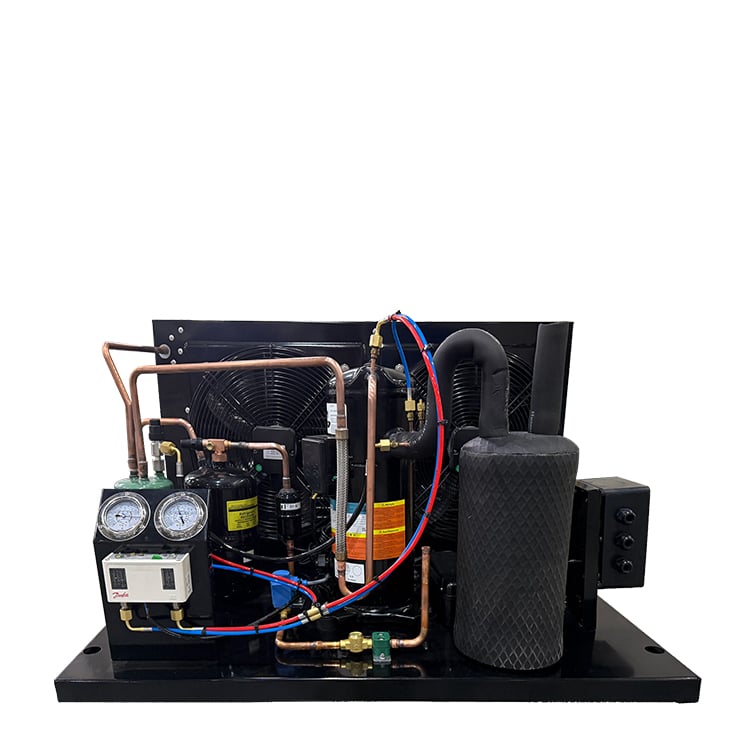
When it comes to transporting frozen food, having the right tools is super important. One of these tools is the condensing unit. EMTH makes great condensing units that help keep food at the right temperature during its journey. This is really important, because if the food gets warmer than it should, it can spoil or lose its quality. You will learn how to pick the right condensing unit for your frozen food supply chain and the key specs you should look for in these important machines.
How to Choose the Right Condensing Unit for Your Frozen Food Supply Chain
Choosing the right condensing unit for your frozen food supply chain can be tricky. First, think about the size of your operation. If you have a small business, you might not need a big, powerful unit. A smaller unit could work just fine for your needs. But if you are running a large warehouse or distribution center, you need a bigger unit that can handle a lot of food at once. The power of the unit is also very important. You want a condensing unit that can keep things cold, even when the temperature outside is really hot. It should be able to work hard without breaking down.
Next, consider the energy efficiency of the unit. An energy-efficient unit can save you money on electricity bills. EMTH offers condensing unit designed to use less energy while still keeping your food frozen. This is good for your budget and the planet! You should also think about how easy it is to maintain the unit. Regular maintenance can help it last longer and work better. Look for a unit that has easy access for cleaning and repairs. Another thing to think about is the noise level. If you are working in a quiet place, you don't want a loud machine. EMTH units are designed to run quietly, so they won't disturb your work environment. Lastly, make sure the unit you choose has a good warranty. This will protect you in case something goes wrong.
What Are the Essential Specs for Condensing Units in Cold Chain Management?
When looking for condensing units for cold chain management, there are some key specs you should check. First, look at the cooling capacity. This tells you how much heat the unit can remove from the air. It’s measured in BTUs (British Thermal Units). A higher BTU means better cooling power. You want to choose a unit that has enough BTUs for the amount of food you are storing.
Next, pay attention to the temperature range. Different foods need different temperatures to stay fresh. Make sure the condensing unit can reach and maintain the right temperature for your products. If you are storing ice cream, for example, you want a unit that can go down to very low temperatures. Another important spec is the refrigerant type. Some refrigerants are better for the environment than others. Look for units that use eco-friendly refrigerants, which can help you meet environmental regulations.
Also, consider the unit's construction. It should be made from durable materials to withstand the cold and avoid rust or damage. EMTH units are built tough to last a long time, even in busy environments. Finally, check if the unit has any smart features, like remote monitoring. This can help you keep track of the temperature and performance, making it easier to manage your cold chain. By looking for these essential specs, you can find the right refrigeration condensing unit for your frozen food logistics.
Key Features of Energy-Efficient Condensing Units for Frozen Food Transport
When moving frozen food, it’s very important to keep it at the right temperature so it stays fresh and safe to eat. A condensing unit is a big part of this process. It helps keep the cold air inside the truck or storage area. If you want to make sure your condensing unit works well and saves energy, you should look for some key features. First, choose a unit with a high energy efficiency rating. This means it uses less electricity to keep things cold. This is good for the environment and helps you save money on energy bills. Next, check if the condensing unit has a variable speed compressor. This type of compressor can change its speed based on how much cooling is needed. It works harder when it’s hot and slows down when it’s cooler, which saves energy. Another important feature is good insulation. Insulation keeps the cold air in and the warm air out. The better the insulation, the less energy the unit needs to use. Also, look for units that have smart technology. This technology can monitor the temperature and make adjustments automatically. It can even send alerts if something goes wrong. Lastly, make sure to choose a reliable brand like EMTH. A trusted brand means better service and support when you need help. By focusing on these features, you can ensure your condensing unit is energy-efficient, which is great for both your wallet and the planet.
Understanding Performance Metrics for Frozen Food Condensing Units
When buying condensing units for frozen food, it’s important to understand how they perform. There are some key performance metrics you should know about. The first metric is cooling capacity. This tells you how much heat the unit can remove from the air. It is usually measured in BTUs (British Thermal Units). For frozen food, you want a unit with a high BTU rating so it can keep everything frozen even in hot weather. Another important metric is temperature range. Make sure the unit can maintain very low temperatures, often below 0 degrees Fahrenheit. This is crucial for keeping frozen items safe. The third metric is airflow. Good airflow helps spread cold air evenly throughout the space. If the air doesn’t move well, some food might not stay as cold as it should. You should also ask about the noise level. Some units can be noisy, which might not be good if you’re using them in a store or a delivery truck. Finally, check the warranty and service options. A longer warranty means the manufacturer stands behind their product, and good service is important if you need repairs. EMTH offers great performance metrics that you should consider when making your choice. Understanding these metrics will help you pick the right commercial refrigeration condensing units that meets your needs.
Maintenance Tips to Extend the Life of Condensing Units
To make sure your condensing unit lasts a long time, you need to take good care of it. Regular maintenance is very important. This means checking the unit often to make sure everything is working well. One easy way to maintain your unit is by cleaning the coils. Dust and dirt can build up on the coils, making it harder for the unit to cool. Cleaning them every few months can help keep the unit working efficiently. Another important tip is to check the refrigerant levels. The refrigerant helps keep things cold, and if it’s low, the unit won’t work well. If you notice any strange noises or changes in temperature, it’s a good idea to call a professional. They can help fix any problems before they get worse. Additionally, make sure the area around the unit is clear. If there are boxes or other items blocking the airflow, it can make the unit work harder and wear out faster. Lastly, keep an eye on the temperature settings. If the unit is set too low, it can cause extra wear and tear. EMTH condensing units are built to last, but taking care of them can help you get the most out of your investment. By following these tips, you can help ensure that your condensing unit lasts a long time, keeping your frozen food safe and fresh.
Table of Contents
- How to Choose the Right Condensing Unit for Your Frozen Food Supply Chain
- What Are the Essential Specs for Condensing Units in Cold Chain Management?
- Key Features of Energy-Efficient Condensing Units for Frozen Food Transport
- Understanding Performance Metrics for Frozen Food Condensing Units
- Maintenance Tips to Extend the Life of Condensing Units